

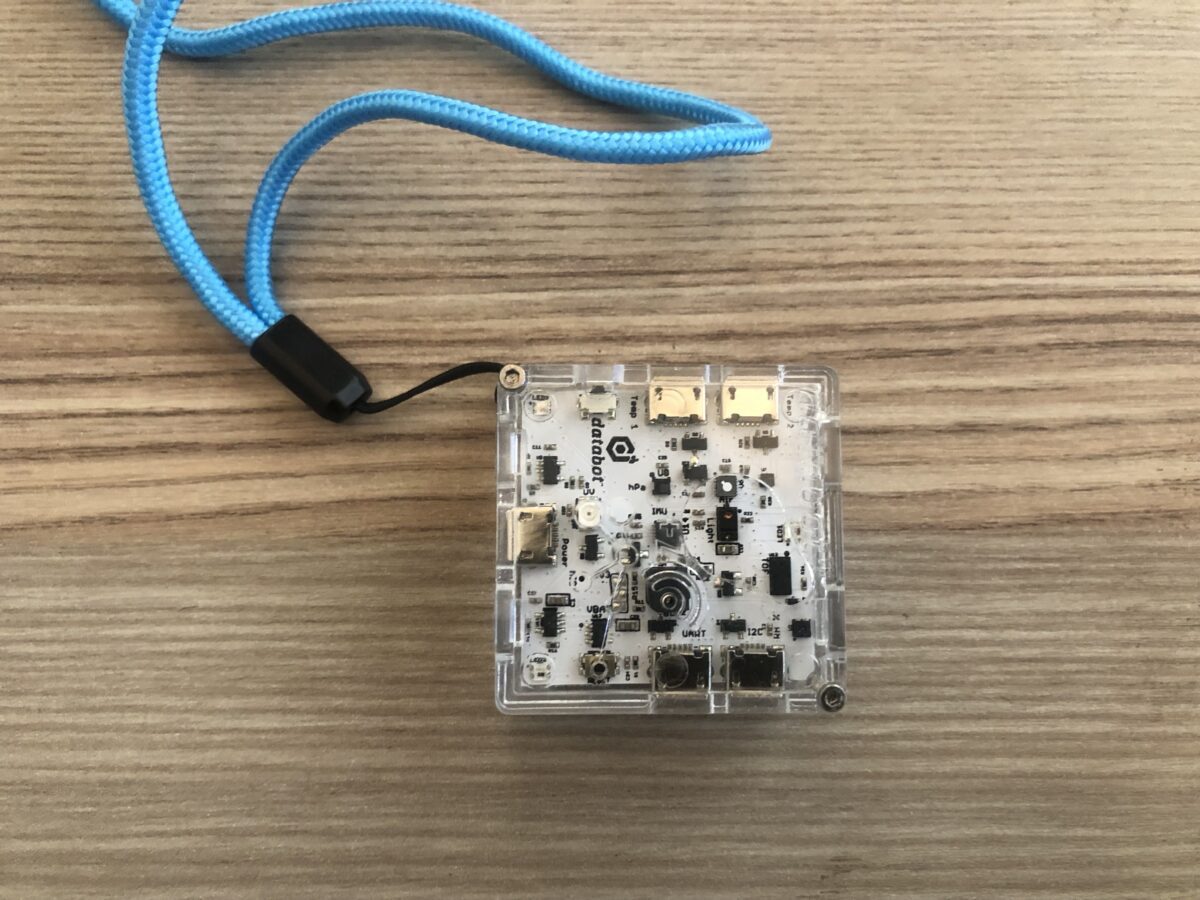
The Bulawayo Tech Hub, in partnership with the Girls in STEM Trust, has launched a cutting-edge artificial intelligence (AI) learning device known as the Databot, along with a smart remote called Merlyn Mind, to enhance science and technology education in Zimbabwean schools.
he tools are designed to simplify classroom learning, promote innovation in Science, Technology, Engineering and Mathematics (STEM), and accelerate the adoption of digital learning in Zimbabwean schools.
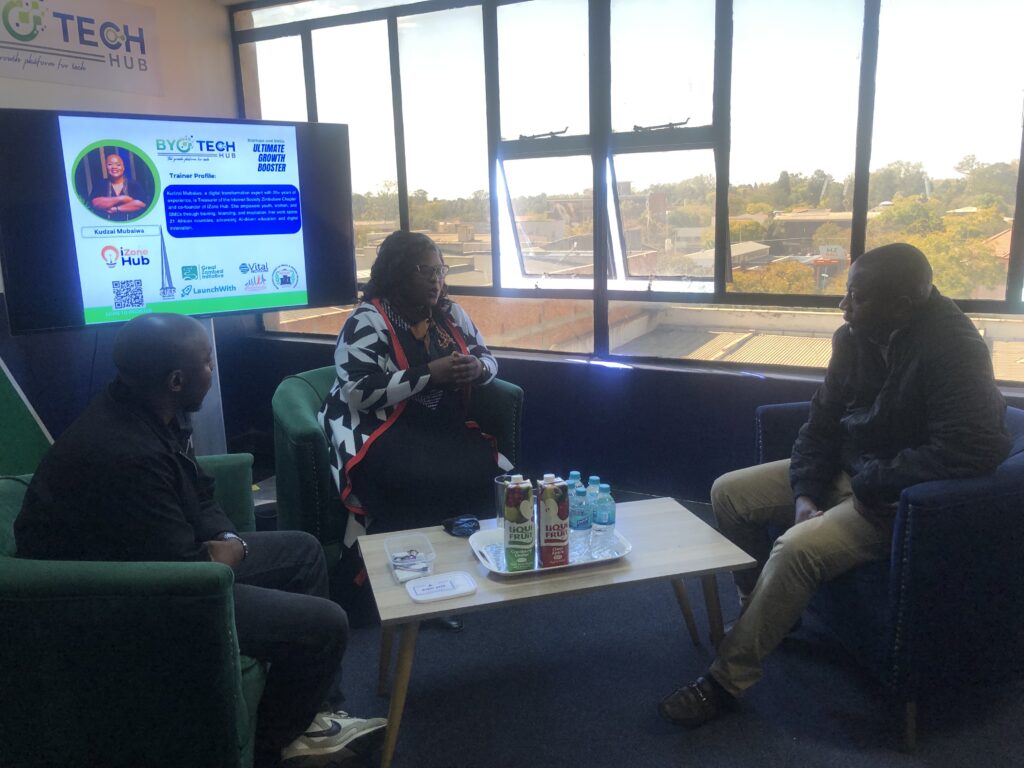
Victoria Nxumalo, Founding Director of the Girls in STEM Trust, said the Databot was developed in collaboration with a US-based company and is currently one of only 20 such devices on the continent.
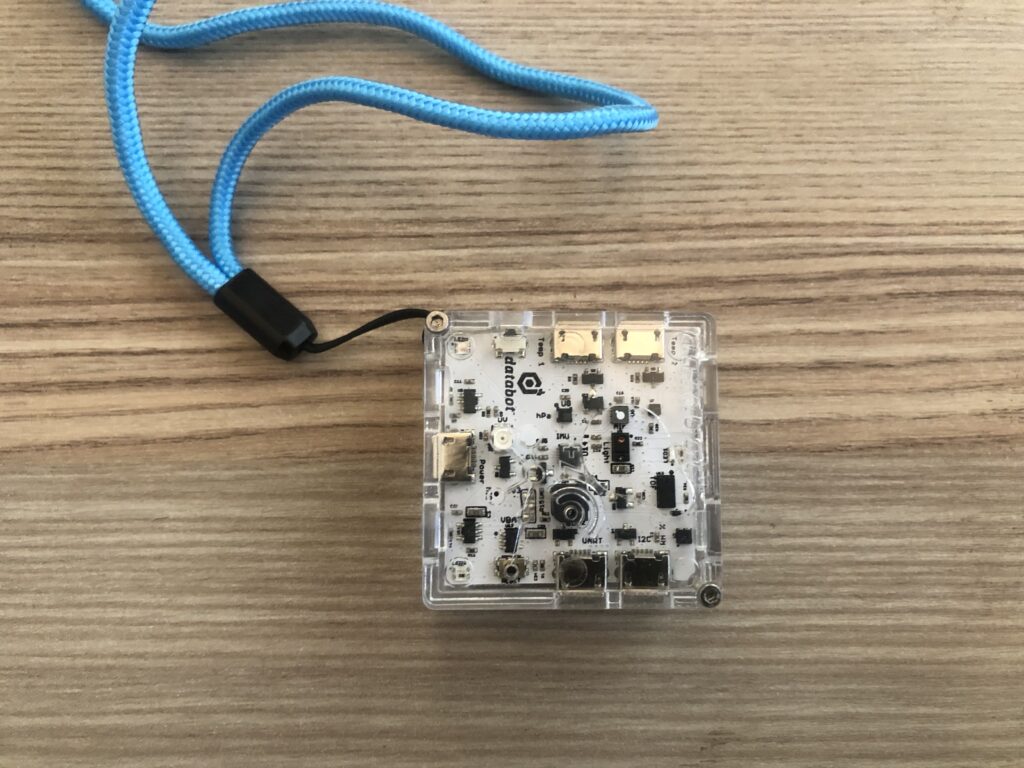
“Zimbabwe is the only country in Africa that currently has this device,” Nxumalo said. “It’s a compact tool that integrates various sensors and equipment needed for data collection and analysis during STEM projects.”
Originally built as a data analysis tool, the Databot allows students to carry out robotics and science experiments using a single, portable device, replacing the need for multiple instruments.
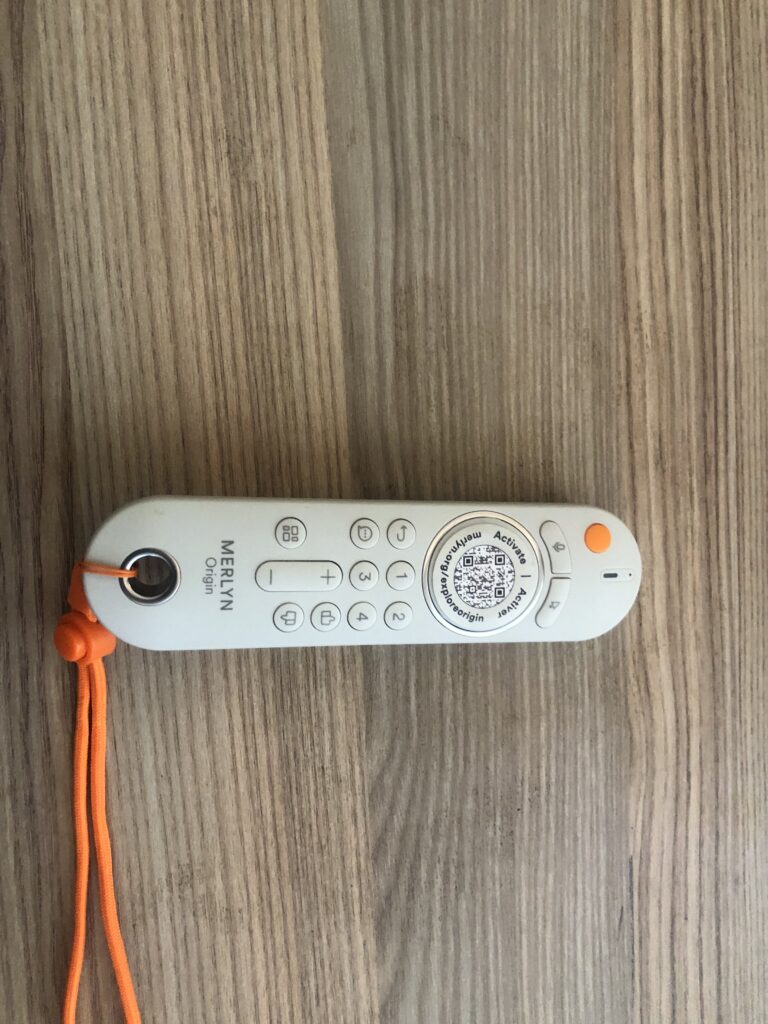
Nxumalo also introduced the Merlyn Mind, a voice-activated AI teaching assistant that allows educators to generate and deliver content using simple verbal commands.
“A teacher can use their voice to instruct the remote on what functions to perform,” she said. “It simplifies digital tasks in the classroom and allows content to be generated more efficiently.”
Nyasha Vindi, Lead Trainer at Girls in STEM Trust, explained that the Databot contains 16 built-in sensors and can be used in subjects such as mathematics, biology, physics, and environmental science.
“Teachers can guide students in real-time using the Databot to build and test their projects,” said Vindi. “It brings STEM learning to life.”
Vindi added that the Merlyn Mind device, introduced by the Bulawayo Tech Hub, can also be integrated with mobile phones and laptops, enabling faster lesson planning and improved content delivery.
“It can generate full lesson plans and handouts in under five minutes,” she said. “It’s also useful in meetings and conferences, as it can analyse files saved on Google Drive and extract relevant details instantly.”
Nxumalo emphasised the importance of scaling access to the technology, urging greater collaboration between the government and private sector.
“These tools come at a cost, so we need public-private partnerships to ensure this technology is not only introduced but made widely available,” she said. “We’re also keen to identify and support young talent through these initiatives.”
Prince Chinoperekweyi, Acting Director of Research and Development in the Ministry of Skills Audit and Development, reaffirmed the government’s commitment to digital literacy, particularly in underserved areas.
“We’ve deployed a team under our digital skills unit across provinces to train learners in AI platforms,” said Chinoperekweyi. “We use tools like digitrack to identify children in remote communities and help them access relevant e-learning opportunities.”
The introduction of the Databot and Merlyn Mind marks a significant step forward in Zimbabwe’s education technology landscape, with stakeholders hopeful that such tools will narrow the digital divide and empower the next generation of scientists and innovators.
Support CITE’s fearless, independent journalism. Your donation helps us amplify community voices, fight misinformation, and hold power to account. Help keep the truth alive. Donate today