

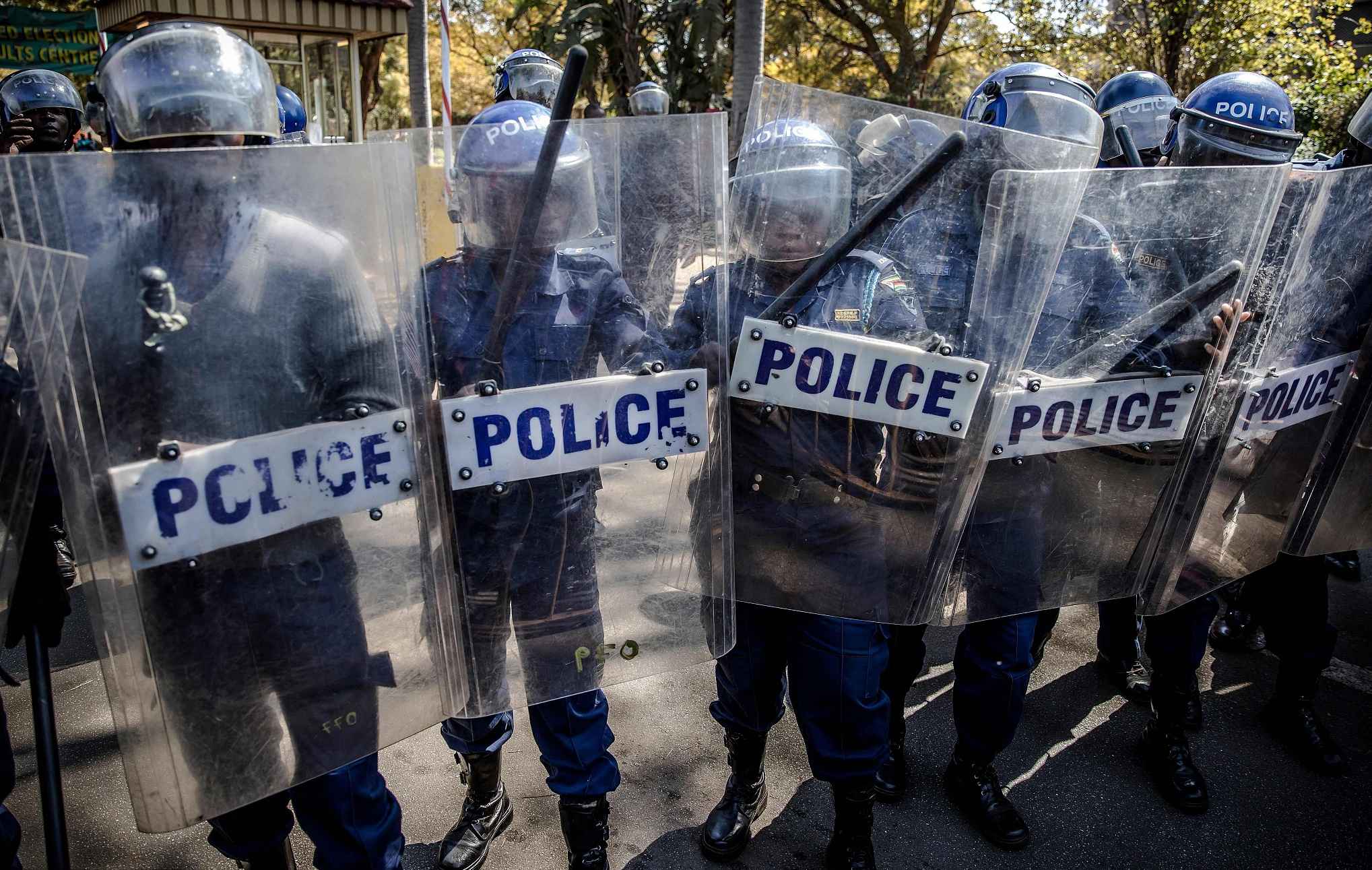
Bulawayo residents have cautiously welcomed proposals to rename Zimbabwe’s “police force” as a “police service”, but warned that the move will be meaningless without deep reforms in conduct, accountability and service delivery.
The views were aired during a public hearing at Stanley Hall, where residents and police officers submitted their input on proposed amendments to the Police Act.
The Bill seeks to align the Act with the Constitution by replacing the term “police force” with “police service”, introducing changes to the appointment, promotion and discipline of officers, and establishing a Police Service Commission.
It also proposes a fixed five-year term for the Commissioner-General, renewable once, with the office holder required to comply with written policy directives from the minister responsible for policing.
While many participants applauded the alignment with the Constitution, they said the reforms must translate into tangible improvements in how police interact with communities.
One resident said the term “police force” evoked memories of colonial repression and should have been scrapped soon after independence.
“I appreciate what MPs have done because this is long overdue,” he said. “The word ‘force’ kept reminding us of the BSAP. Section 219 of the Constitution says the police must protect the people and their property. If it is now a police service, we must be able to demand a service, because at the moment the police are not protecting everyone, they protect a certain section of society.”
He said residents in Bulawayo’s western suburbs had been forced to organise neighbourhood watch patrols because of weak police presence.
“In the western suburbs we protect ourselves. I was forced to join a neighbourhood watch committee and patrol while police are sleeping. That is not proper,” he said, adding that residents were also contributing money to fund community security.
The resident recalled the death of a neighbourhood watch member in Emakhandeni last year and questioned whether the police had supported the family left behind.
“We are going to demand the police to patrol – it is their job,” he said.
Another participant, Andrew Ndlovu, said aligning laws with the Constitution was necessary but insufficient.
“We are not mainly celebrating the change of terms. We appreciate the alignment, but all the bad things must also change,” he said. “These changes must be followed by multiple reforms of bad habits that were done to the people by the police.”
Ndlovu urged Parliament to review colonial-era laws that continue to affect citizens, saying constitutional alignment must go beyond cosmetic amendments.
Petros Sibanda said the shift to a police service must be reflected in officers’ behaviour, respect for culture and understanding of local communities.
“When someone is deployed in Binga, they must understand the language and way of life of people there,” he said, adding that a police service charter was needed to clearly spell out the rights and obligations of both police and communities.
He also condemned what he described as selective application of the law, citing vehicles without number plates allegedly passing through roadblocks under the protection of senior officers.
“We don’t only want the name change, but we want to see actions changing as well,” Sibanda said.
Another participant, Vivian Siziba, questioned safeguards in the Bill, particularly provisions allowing the minister to issue directives to the Commissioner-General.
“What happens when a directive infringes on human rights?” he asked, citing instances where police said they were ordered not to intervene during demolitions.
Siziba said there was a need for stronger constitutional education within the police service.
“What is important is for police officers to be taught the Constitution and be committed to the law of the land,” he said.
Support CITE’s fearless, independent journalism. Your donation helps us amplify community voices, fight misinformation, and hold power to account. Help keep the truth alive. Donate today