

Bulawayo North Constituency has officially received its Constituency Development Fund (CDF) allocation for 2024, with Member of Parliament, Minenhle Gumede, announcing that the ZiG 1.3 million received will be used to address the urgent water and sanitation crisis affecting several suburbs.
Gumede confirmed the development through public announcements in constituency WhatsApp groups and in an interview with CITE, noting that this would be the only disbursement for the year.
“We have officially received our Constituency Development Fund (CDF) allocation for the year 2024. This fund is intended to support community-driven development projects aimed at improving service delivery and the general well-being of our constituency,” Gumede stated.
The MP clarified there was no CDF disbursement in 2023, and the last funding the constituency received was in 2022.
“This is a 2024 disbursement and is a final figure. There is no other money we are going to be getting for 2024,” she said.
“Once we finish our projects, we’ll make sure to do acquittals fast so that I can apply for 2025.”
Gumede explained this year’s release was part of an outstanding allocation, as Treasury had delayed payment but began releasing funds about two to three months ago.
“I think Bulawayo North is in the second batch to receive the CDF and probably one of the first constituencies in Bulawayo alongside Cowdray Park. I also made sure I did my paperwork on time,” she said.
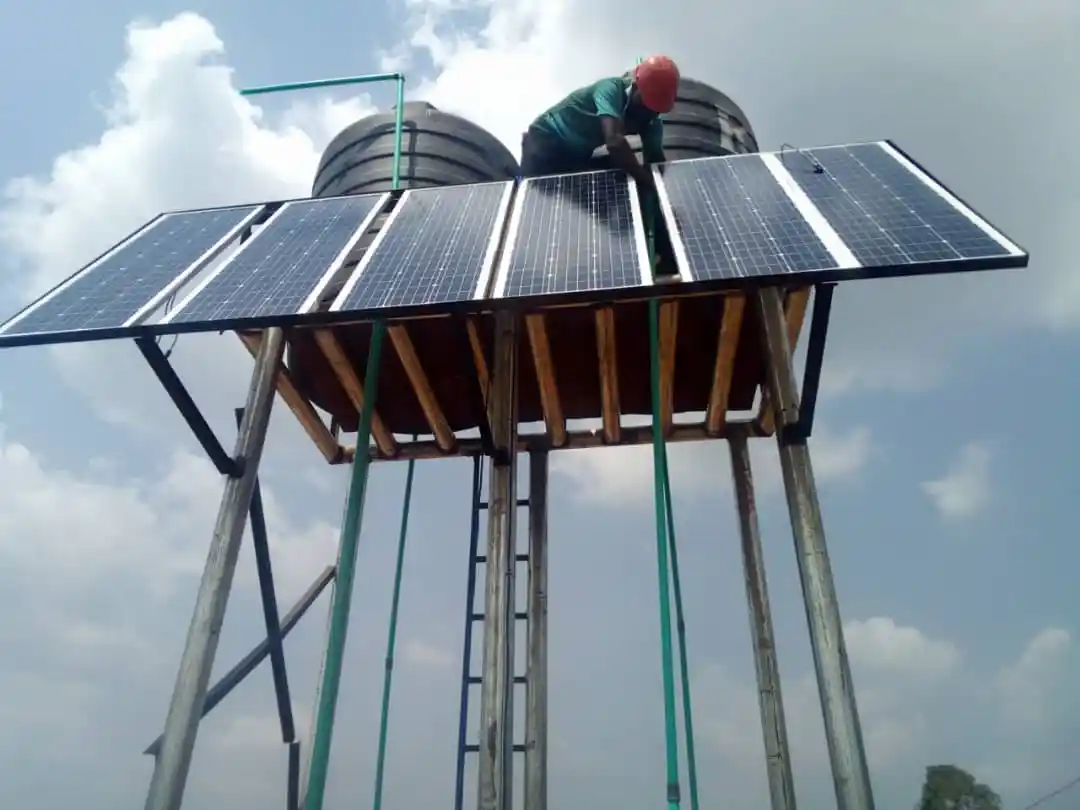
The bulk of the ZiG1.3 million will be directed towards drilling and installing solar-powered boreholes in areas facing dire water shortages.
“For 2024 we will be doing the solar-powered boreholes for areas which we identified as being in critical need within the constituency,” Gumede said in a message to residents in the Ward 2 community group.
“We do have areas that have not had water coming from their taps for over 20 years now and some that don’t have water directly from the tap at all. So we looked at these and put them up accordingly.”
The MP added that boreholes in need of repair or maintenance would be attended to as part of this initiative.
Due to Parliament being in session, Gumede said she is mostly based in Harare but assured residents that the Constituency Development Committee would be overseeing the implementation of the projects.
Residents welcomed the borehole initiative, especially given the severity of the current water shortages.
“I think the water challenge is now at a critical stage,” one resident said.
“If every suburb could have at least one fully solarised borehole, that would really help.”
Another resident asked if there would be transparency in the selection of suburbs receiving the new boreholes or repairs.
“Is it possible for us as residents to know the specific areas or suburbs where the boreholes are to be drilled or repaired or solarised?”
In response, the MP said community input would help shape future phases of the project.
“If this opinion is carried by the majority, we will use the 2025 funds to continue the borehole project because what we get each year is only sufficient for probably just six boreholes or seven maximum. Our suburbs as they stand are plus or minus 30,” she said.
In an interview with CITE, Gumede highlighted some of the high-priority areas identified for water infrastructure support.
“Cabatsha is one of the critical areas, residents there have no tap water at all. They rely on council water bowsers. If we ignore these areas, cholera can strike,” she said.
“Harrisvale has also gone over 20 years without tap water due to geographical challenges reported by council.”
She said other suburbs such as Northvale and Queens Park have elderly residents and pensioners who are particularly vulnerable and deserve consistent access to clean water.
“In Northvale there is a central area next to the hall where the borehole can be placed,” said the MP.
Gumede also mentioned Barbourfields as another area in need, describing it as “high density and populated,” adding that its elevated location further complicates water delivery.
“Airport, a peri-urban suburb, is also neglected and has water challenges. Several attempts to resolve the issue have failed. We must find ways of making their lives easier,” she said.
The MP said while only six or seven boreholes may be installed this year due to budget constraints, she hopes to build on the project through future allocations.
“This is just the start. If we acquit properly and the project shows meaningful community impact, I will be in a strong position to lobby for more funds and continue addressing water shortages in Bulawayo North,” Gumede said.
She reiterated that community involvement and transparency would remain central to the implementation process.