

By Pamenus Tuso
The Rural Electrification Agency (REA) has constructed 20 domestic biogas digesters in Matabeleland North Province as part of efforts to promote environmentally friendly and sustainable energy solutions for rural communities struggling with power shortages and deforestation.
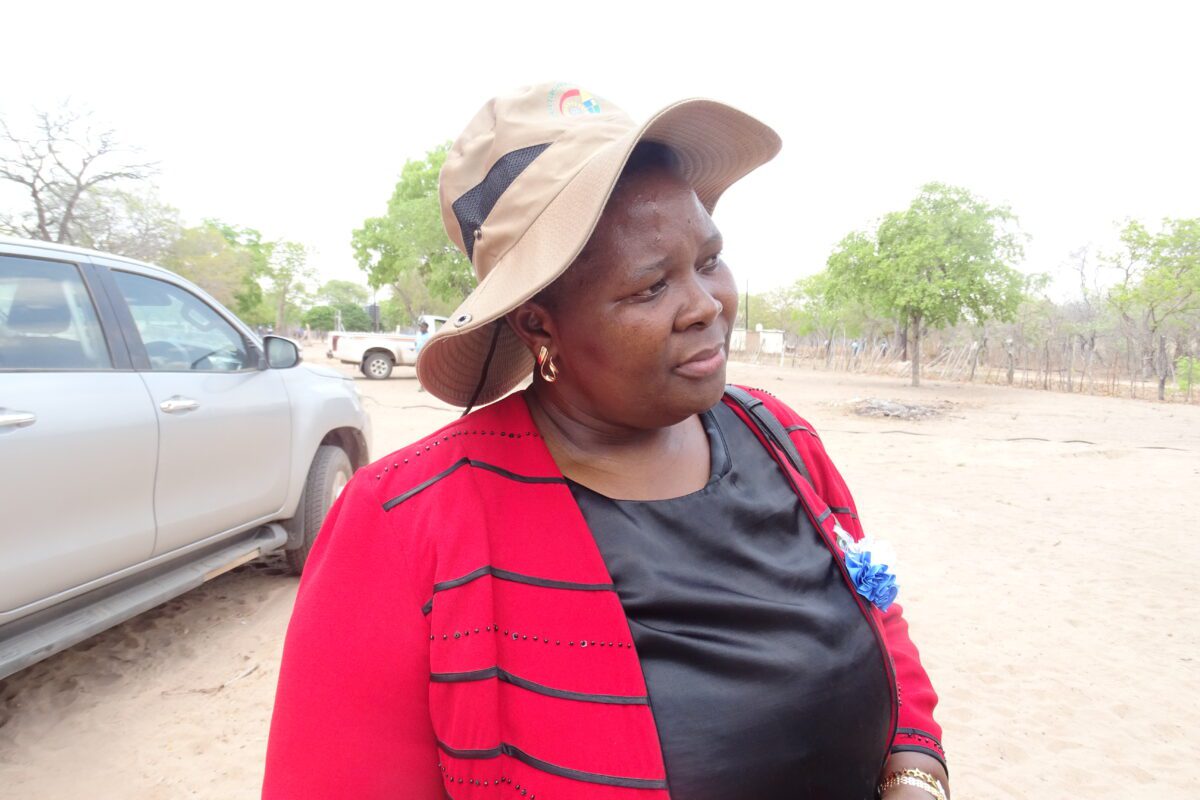
Speaking to CITE in Binga last week, REA Acting Chief Executive Officer Felisters Makumbinde said the initiative is part of the agency’s broader climate change adaptation programme aimed at providing affordable and clean energy alternatives in line with Sustainable Development Goal (SDG) Number 7 which speaks about access to clean and affordable energy for all.
“As the Rural Electrification Agency, this year in particular, we are promoting biogas technology for domestic use.”
“A biogas digester can be fed from cow dung or pig waste. If a household has at least eight head of cattle, it can operate a biogas digester and generate enough gas for three meals a day,” explained Makumbinde.
She said the technology, which was previously reserved for institutions such as schools and hospitals, is now being rolled out to households to promote clean cooking and reduce dependence on firewood, a major driver of deforestation in rural areas.
“For years, biogas systems were mainly installed at institutions, but we realised that households can also benefit immensely,”
“This model is helping families to cook cleanly while also managing waste sustainably,” said Makumbinde.
The acting CEO said the agency is also currently constructing 32 more digesters in various districts across Matabeleland North with all expected to be commissioned by the end of November this year.
Under the promotion, REA provides technical expertise and materials such as cement, gas piping and stoves while beneficiaries contribute locally available building materials like farm bricks sand and stones.
“We do not ask for any money from beneficiaries,” she explained. “People only need to gather materials such as sand and bricks. Our teams then come, assess the site, and handle the technical construction. By the time we leave, the family will be cooking with biogas.”
In St Mary’s area of Hwange District, several households have already benefitted from the project, with many describing it as a game-changer in reducing the burden of fetching firewood and improving health outcomes.
Loveness Dube, a mother of five said the biogas system has transformed her daily life.
“Before the biogas, we used to walk long distances to collect firewood especially during the rainy season. Now, I can just light my biogas stove and cook anytime even when it is raining. It has made life so much easier for my family,” said a delighted Dube.
Another villager, Bongani Mpande said the project has also brought environmental and economic benefits to the community.
“This technology is a blessing. It is clean, fast and safe. We are no longer cutting down trees like before and we even use the slurry from the digester as fertiliser for our gardens. It is helping us save both the environment and money.”
Makumbinde urged more rural households with livestock to take advantage of the programme.
“If you have at least eight cattle come to our offices and apply for a biogas digester,” she said.
“Our goal is to ensure that every eligible rural household can access clean cooking energy and contribute to protecting our environment.”
With increasing energy challenges and the effects of climate change being felt across rural Zimbabwe, the REA’s domestic biogas initiative is providing a sustainable, low-cost solution that is changing lives — one household at a time.
Speaking at the commissioning of electricity at Mabobolo Primary School in Binga last week, Energy and Power Development Minister July Moyo commended the Rural Electrification Agency (REA) for introducing the domestic biogas programme, saying it would greatly improve the welfare of civil servants and rural communities.
“There is no need for teachers and other civil servants in rural areas to worry about firewood for cooking. With this biogas technology, they can now focus on their core work instead of spending hours searching for firewood or dealing with smoke in their kitchens,” said minister Moyo.
He said the biogas project complements the government’s rural electrification drive which seeks to ensure that every school, clinic, and public institution has access to modern and reliable energy by 2030.
“Access to clean and affordable energy is not just a convenience. It is a right and a key component of our vision for rural industrialisation and development,” he added.
“Projects like this are critical because they bring sustainable energy solutions closer to the people and help us protect our forests from destruction.”
Moyo also noted that the government is working with development partners to expand renewable energy technologies including solar mini-grids, biogas, and small hydro systems in remote communities that are not yet connected to the national grid.
Support CITE’s fearless, independent journalism. Your donation helps us amplify community voices, fight misinformation, and hold power to account. Help keep the truth alive. Donate today
Leave a comment