

By Ndumiso Tshuma
The Bulawayo City Council (BCC) has denied claims that the proposed establishment of a new water utility signals a move towards privatisation.
The statement follows rising concerns from residents over the future of their access to water and sanitation services.
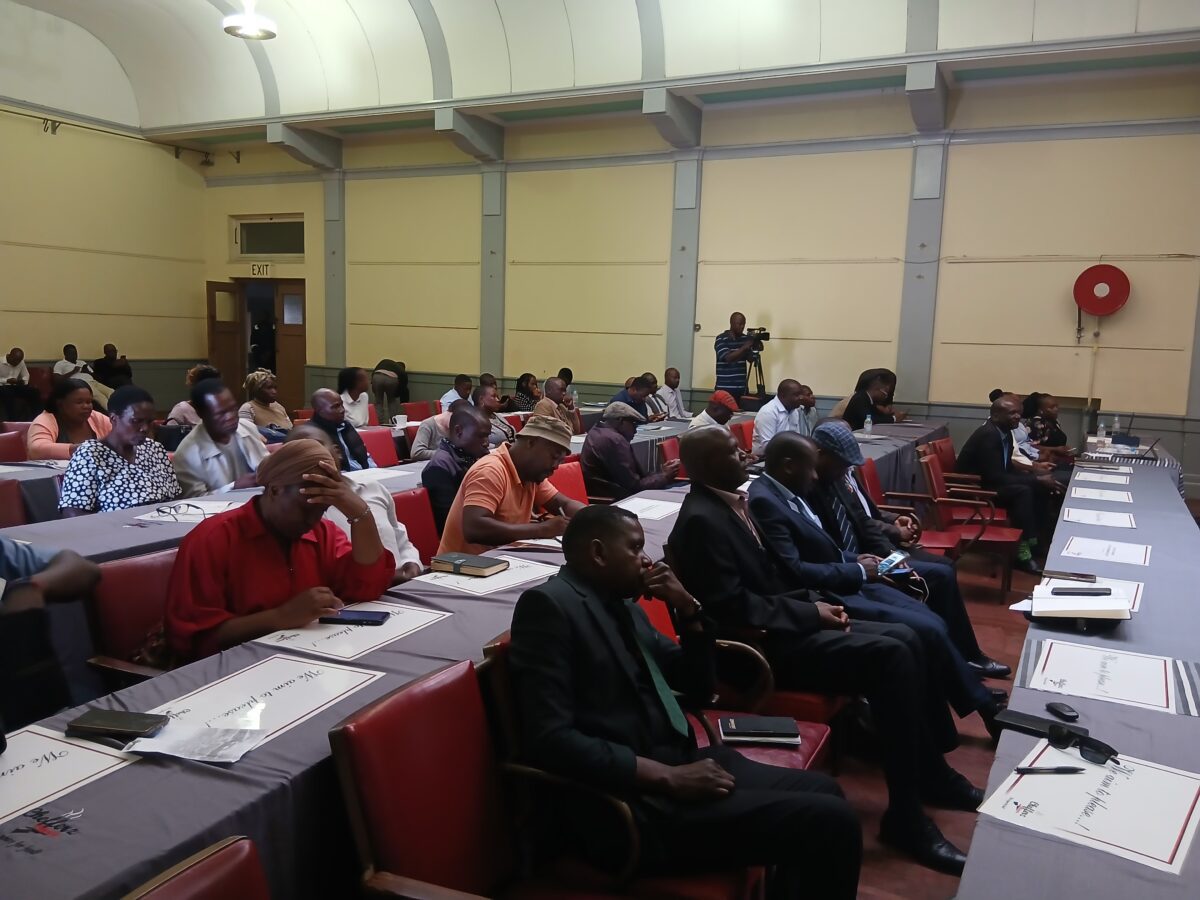
Speaking during a consultative meeting on Tuesday regarding the proposed water utility, council officials stressed that the entity would be entirely owned by the City of Bulawayo, with 100% of its shareholding remaining under public control.
READ: https://cite.org.zw/coltart-steps-in-to-dispel-misinformation-on-proposed-water-utility-2/
Engineer Kwanele Sibanda, the Acting Director of Water and Sanitation, said the creation of a private limited company was merely a legal mechanism to protect the utility from external takeovers.
“BCC will register a private limited company that is 100% owned by the city. This is not privatisation but a legal safeguard against dilution or hostile takeover,” he said.
Sibanda explained that the company’s shares would not be tradable and that its primary focus would be to provide efficient and affordable water and sanitation services—not to generate profit.
“The goal is to improve management while keeping water as a public resource. There are no private individuals or companies involved,” he added.
Despite these assurances, some residents remain sceptical.
Nqobile Ncube, a resident from Pumula South, expressed concern that the move could eventually lead to privatisation, citing the council’s historical challenges in delivering consistent water supplies.
“We understand the need for better management, but we fear this could open the door to privatisation in the future. The city has not always provided reliable services, and we worry about what this means for our long-term access to water,” he said.
Sibongile Ndlovu from Nkulumane echoed these concerns, pointing to the deterioration of council services over the years.
“It’s difficult to trust the council when services have worsened. Some of the water pipes haven’t been replaced since Ian Smith’s time. We want guarantees that our interests are protected. We don’t want a repeat of what’s happened in other countries, where privatisation led to higher living costs for ordinary people,” she said.
Khumalo resident Samantha Tshuma called for greater public involvement in decisions about the proposed utility.
“While a city-owned utility sounds promising, the public must play a key role in decision-making. It can’t just be the council making decisions without consulting the people who depend on these services,” she said.