

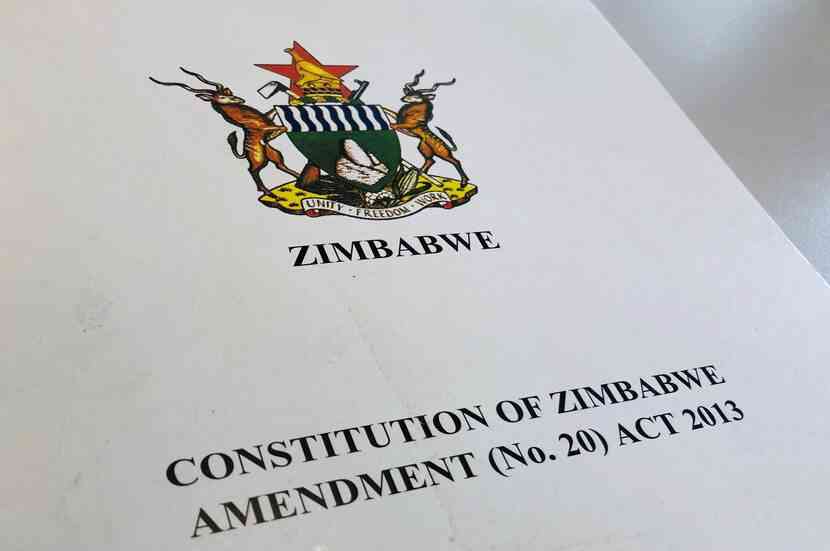
A proposed constitutional amendment in Zimbabwe has sparked debate, with critics warning it could undermine democratic safeguards, while former cabinet minister Professor Jonathan Moyo insists it is lawful and within Parliament’s authority.
The Constitution of Zimbabwe Amendment Bill (No. 3), which has been approved by Cabinet and gazetted in Parliament, proposes changes to the system for electing the president and adjustments to the national electoral cycle.
Some constitutional lawyers and civil society groups argue the proposals are regressive and could require a national referendum. But Prof Moyo says the reforms are firmly grounded in the country’s 2013 Constitution.
Speaking during a discussion hosted on X by the Bulawayo-based media organisation CITE on Thursday, he described the amendments as “historic, strategic, forward-looking and deeply patriotic”.
He rejected claims that the Bill signals democratic backsliding, saying much of the criticism stems from “political suspicion rather than constitutional literacy”.
At the centre of his argument is Parliament’s authority to amend the Constitution.
Prof Moyo said the current 10th Parliament has what he called “unassailable authority” to change the supreme law, in line with Section 328 of the Constitution.
“No parliament may forever shackle those parliaments which come after it,” he said, invoking the principle that one legislature cannot bind its successors. “Each new Parliament retains the right to repeal, amend or replace the laws of its predecessors.”
He argued that denying Parliament this power would amount to undermining democratic practice.
The amendment procedure, he said, is clearly set out in Section 328, which requires publication of the Bill, a minimum 90-day period for public consultation and a two-thirds majority in both the National Assembly and the Senate at the final reading.
“That threshold demands cross-partisan consensus,” he said, adding that legitimacy flows from adherence to constitutional procedure rather than public sentiment.
A key point of contention has been whether the Bill should be subjected to a referendum.
Under the Constitution, a referendum is mandatory for amendments affecting the Declaration of Rights, agricultural land provisions, or the amendment clause itself.
Prof Moyo argued that the current proposals do not fall within those categories and therefore do not require a public vote.
“The referendum in constitution-making in Zimbabwe is strictly a matter of law,” he said. “It is not a political weapon to be invoked at will.”
However, some legal experts contend that changes affecting the presidency and the electoral cycle could trigger Section 328(7), which places restrictions on amendments to presidential term limits and requires additional safeguards.
Critics fear that altering provisions related to presidential elections could weaken constitutional protections designed to prevent incumbents from benefiting from changes to term limits.
Prof Moyo dismissed claims of illegality, saying amendments cannot be unlawful if they follow the procedure set out in the Constitution.
“The issue is not whether the legal position changes,” he said. “The question is whether the amendment is made in accordance with the law.”
He maintained that the reforms aim to align Zimbabwe’s electoral system with regional practices in the Southern African Development Community (SADC) and the Commonwealth, which Zimbabwe has expressed interest in rejoining.
According to Prof Moyo, the changes would reduce what he described as “perpetual election cycles”, enhance governance stability and promote institutional maturity.
The Bill is expected to face robust debate as it proceeds through Parliament, with opposition parties and civil society groups likely to continue pressing for wider public scrutiny.
Support CITE’s fearless, independent journalism. Your donation helps us amplify community voices, fight misinformation, and hold power to account. Help keep the truth alive. Donate today
Leave a comment