

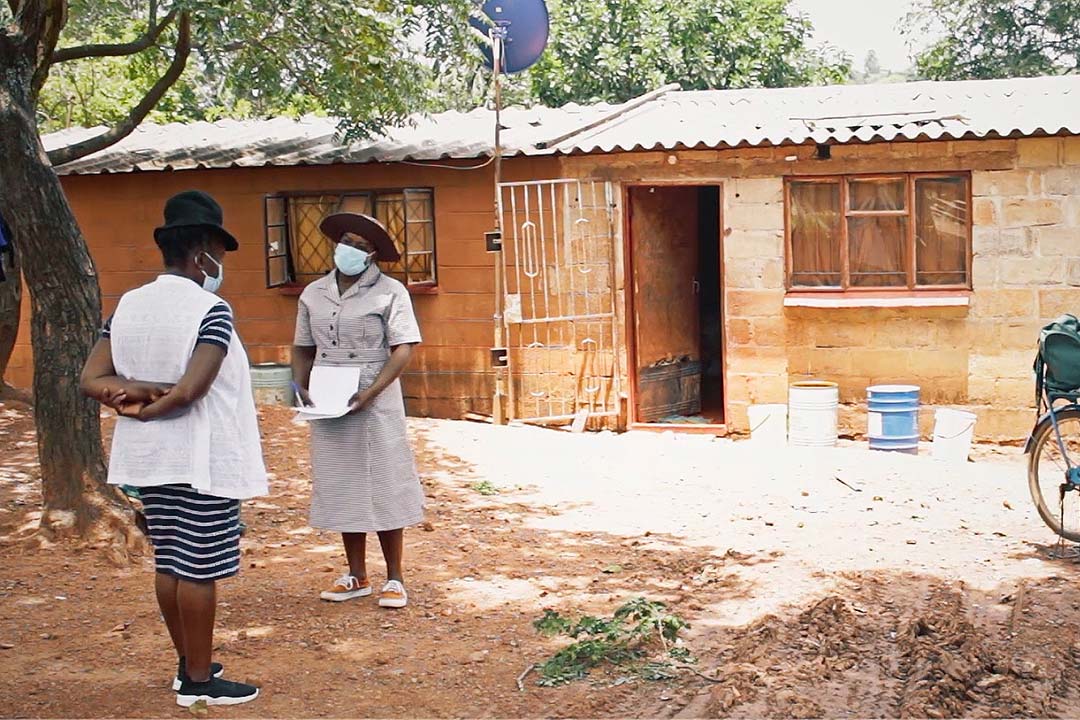
Health officials in several African countries, including Zambia, Liberia, Sierra Leone and Uganda are adopting home-based care for mpox patients as hospitals face growing pressure from rising infections across the affected nations.
Mpox is an illness caused by the monkeypox virus. The virus can spread to humans from an animal host, such as rodents or nonhuman primates such as monkeys. The virus also can spread between people. In humans, mpox can cause flu-like symptoms and an itchy, painful rash.
The home-based care approach, which was adapted from the Covid-19 response, allows mild cases to be managed at home while freeing up hospital beds for severe patients.
According to the Africa Centres for Disease Control and Prevention (Africa CDC), the method is becoming an essential part of the mpox response in countries where treatment centres are overstretched.
The agency said home-based care offers a practical alternative but must be backed by strict infection control and community oversight to prevent further spread.
Africa CDC noted that in Zambia, health authorities are managing about 80 percent of mpox cases through home-based care, with community health workers deployed to track and monitor patients for 21 days.
Similar measures are being used in Liberia, while Sierra Leone has shifted from home care to establishing 25 treatment centres after a surge in cases.
The Africa CDC said that while home-based care is suitable only for mild cases, its success depends on extending infection prevention and control (IPC) measures into homes through clear guidance, strong community engagement and continuous monitoring.
It further noted that more than one million people across 12 countries have received mpox vaccines, though limited supplies continue to challenge containment.
The agency declared the outbreak a continental health emergency in August 2024, a status it has maintained for a year as countries adapt to new ways of managing the disease.