
Workers are expected to receive some relief from rising living costs after the government increased the monthly Pay As You Earn (PAYE) tax-free threshold by 50% to US$150 from US$100 in the 2027 National Budget.
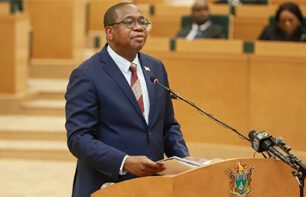
The adjustment, announced by Finance Minister Mthuli Ncube in Parliament on Thursday, is expected to increase workers’ disposable incomes, although economists say the relief will remain modest amid mounting household financial pressures.
National University of Science and Technology (NUST) economist and lecturer Stevenson Dhlamini welcomed the increase, saying it would particularly benefit low-income earners who spend most of their earnings on basic necessities.
“The tax-free threshold goes from US$100 to US$150 a month, a 50 percent increase. I think that is a welcome and sensible step. It puts a little more money in the pockets of people who spend nearly all of what they earn, and for them extra disposable income goes straight back into the local economy, on food, transport and school needs,” Dhlamini told CITE.
On this topic
He said the adjustment would provide some relief but remained below the amount households needed to meet their basic living expenses.
“The benefit is real but modest, and I’d put it in context. Treasury’s own estimate of the relief is about US$302, so the threshold still sits well below what a family needs to live on,” he said.
Under the new tax measures, income above US$3 000 a month will attract a marginal tax rate of 40%. The changes are expected to provide taxpayers with an estimated US$81 million in relief.
Dhlamini said the government should regularly review the tax-free threshold to ensure that inflation and exchange-rate movements did not erode the benefits.
“Workers also pay other taxes and levies, so the net effect on take-home pay depends on how everything fits together. Looking ahead, it would help to review the threshold regularly, so that inflation and exchange-rate movements don’t quietly erode this gain,” he said.
He said the increase demonstrated the government’s responsiveness to calls from workers and businesses for tax relief.
The economist also welcomed the government’s position that it would not introduce new taxes in the 2027 budget, saying a predictable tax environment was important for businesses and investors.
“If the Government is holding the line on new taxes, that is a positive signal for stability and predictability, and those are what businesses and investors value most. Companies plan better when they know the rules won’t change from year to year. For households, it means no fresh pressure on already stretched budgets,” Dhlamini said.
However, he cautioned that the government would need to balance its spending commitments with the need to maintain revenue without imposing additional taxes.
The 2027 budget prioritises infrastructure development, drought preparedness and public services, among other areas, placing pressure on Treasury to mobilise sufficient resources to finance its programmes.
“There are trade-offs to keep in view, though. The Government still has to fund its priorities, including infrastructure, drought preparedness and public services. Without new taxes, the money has to come from broader economic growth, better collection from existing taxpayers, and careful spending,” he said.
Dhlamini said improving tax compliance and widening the tax base would be preferable to increasing rates for existing taxpayers.
“Better compliance and a wider tax base are fairer than raising rates on those who already pay,” he said.
He added that while tax stability could improve investor confidence, businesses would also consider policy consistency, operating costs and the government’s ability to maintain fiscal discipline.
“For investors, tax stability is a good start, but they will also look at policy consistency, the cost of doing business, and how the fiscal numbers hold up through the year,” he said.
“The test will be whether growth and collections deliver as projected, and whether people feel the benefit in their daily lives.”






Leave a Reply