

Lawmakers from 30 countries have gathered in the Netherlands to develop a coordinated response to China’s growing global influence, amid concerns over economic dependence, human rights violations, foreign interference and international security.
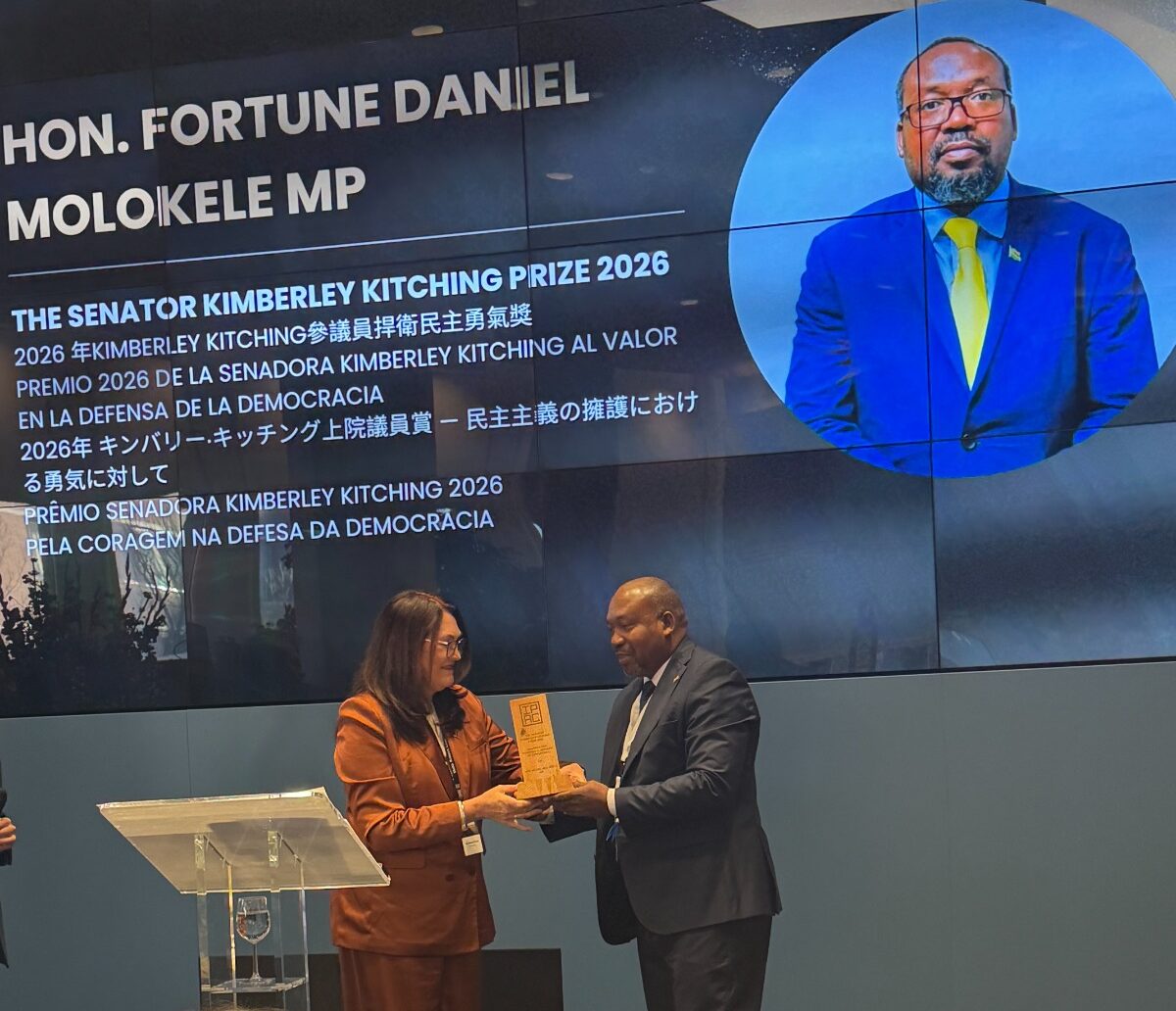
The sixth annual summit of the Inter-Parliamentary Alliance on China (IPAC), which opened on Thursday, November 5, 2026, brought together 52 parliamentarians from six continents, including representatives from Zimbabwe.
The gathering seeks to strengthen cooperation among lawmakers in addressing challenges associated with the People’s Republic of China (PRC), particularly its expanding economic and political influence.
Opening the summit, IPAC Netherlands co-chairs Jan Paternotte and Tom van der Lee urged parliamentarians to defend their countries’ independence in making political and economic decisions. “Parliamentarians who stand for freedom, including the freedom to choose your own policies, trading relationships and your own friends in the world, can push back,” they said. “Together we are very hard to ignore.”
On this topic
The discussions focused on two major priorities: geopolitical tensions involving Taiwan, Ukraine and international alliances, and growing dependence on Chinese exports and supply chains. Economic security featured prominently, with experts warning that China’s trade practices could threaten industries and employment across several countries.
Kit Conklin, Chief Strategy and Global Affairs Officer at Exiger, warned that alleged state-sponsored trade fraud posed significant economic risks. “The PRC’s system of state-sponsored trade fraud threatens millions of jobs around the world,” he said.
The discussions are particularly relevant to African countries, including Zimbabwe, where Chinese investment has expanded significantly in mining, infrastructure and other sectors.
While Chinese investment has contributed to infrastructure development and economic activity, questions surrounding transparency, labour practices, environmental protection and the terms of investment agreements remain subjects of public debate.
IPAC Executive Director Luke de Pulford welcomed the participation of lawmakers from different political backgrounds, highlighting cooperation between American Republicans and Zimbabwean representatives.
“Today we saw the full spectrum of the world’s political parties singing from the same hymn sheet about China,” he said. “Seeing US Republicans and Zimbabweans, for example, join arms to find joint solutions to authoritarian dependence and interference is remarkable and deeply encouraging.” Human rights concerns also dominated discussions, with Penpa Tsering of the Central Tibetan Administration questioning the international community’s role in strengthening China’s global influence despite concerns over its conduct.
Maritime security was another major issue, with Philippine Coast Guard spokesperson Rear Admiral Jay Tarriela warning about Chinese activities in disputed waters in Southeast Asia.
Former defence ministers from the Netherlands, Japan and Lithuania also discussed security vulnerabilities and efforts to deter potential conflict across the Taiwan Strait.
Former Japanese Prime Minister Yoshihiko Noda emphasised the importance of maintaining peace and stability between China and Taiwan.
The summit forms part of IPAC’s broader efforts to coordinate legislative action across national borders.
IPAC describes itself as a cross-party network comprising 325 lawmakers from 45 parliaments worldwide, working to promote coordinated responses to China’s growing international influence






Leave a Reply