
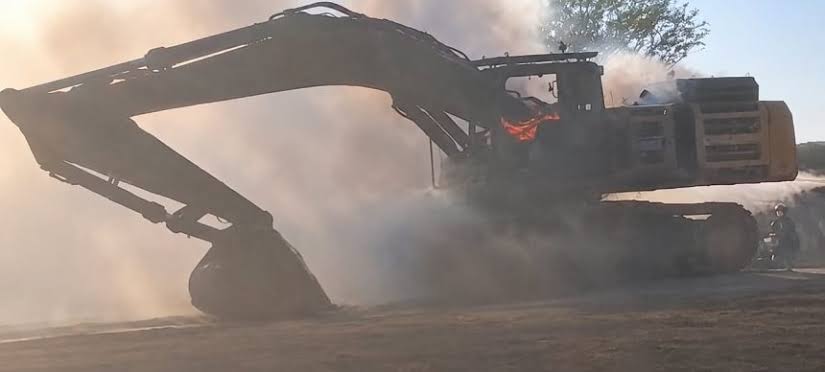
The Ministry of Mines and Mining Development has dispatched a team to investigate deadly violence at Chenxi Mine Site Four in Shurugwi, amid disputes over mining rights between artisanal miners and the mine operator.
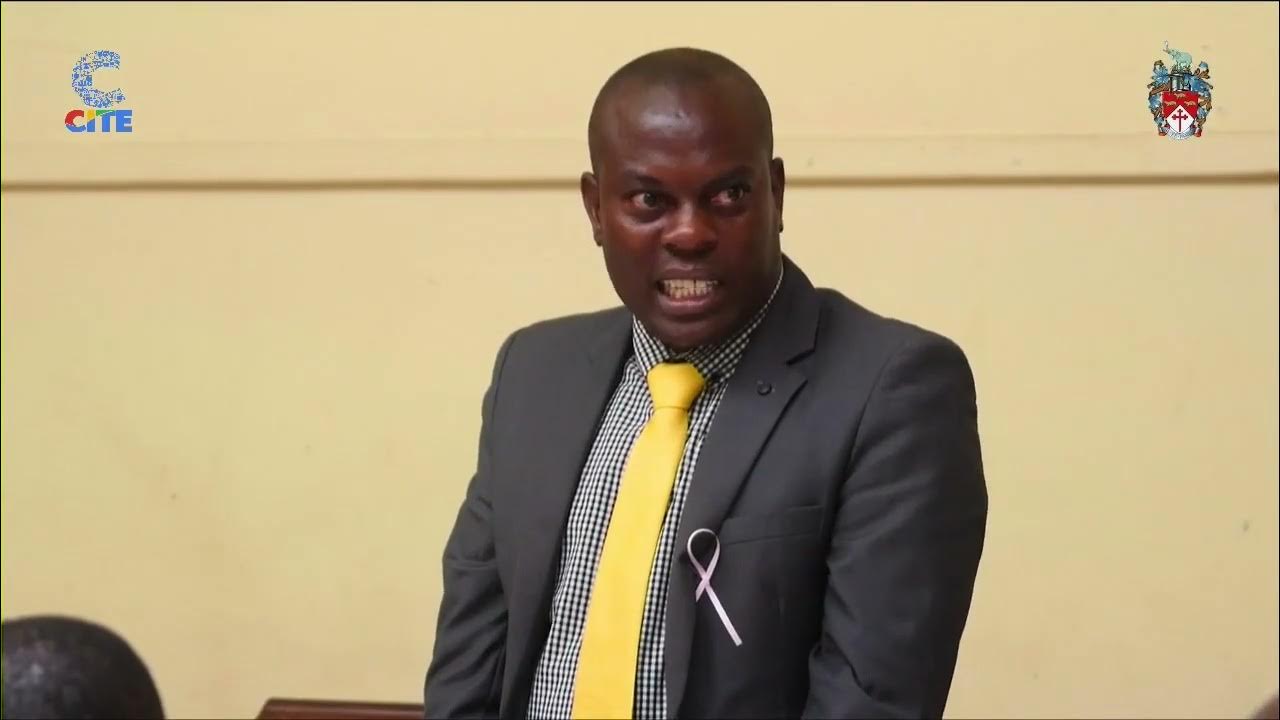
Deputy Minister of Mines and Mining Development responsible for Oil and Gas research and Strategic Minerals Exploration, Engineer Caleb Makwiranzou, told Parliament on Wednesday that the team would verify mining rights in the disputed area and assess compliance with mining, safety and environmental regulations.
The investigation follows violence between artisanal miners and mine security personnel at the Wanderer mining area on Monday, 2 November 2026, which left one person dead, three others injured and five excavators burnt.
Chenxi Investments, also known as Chengxi, is a Chinese-linked mining operation reportedly partly owned by Collins Mnangagwa, son of President Emmerson Mnangagwa, in partnership with Chinese investors.
On this topic
Collins Mnangagwa is reported to be the company’s chairperson.
National police spokesperson Commissioner Paul Nyathi had confirmed investigations were underway into the public violence but did not identify those responsible.
Responding to questions in Parliament, Makwiranzou said the ministry was concerned about clashes between artisanal miners and security personnel at the mine.
“The ministry has already dispatched a team to investigate the incident, verify the mining rights in the disputed area and assess compliance with mining, not only with mining but with safety and environmental regulations,” he said.
He said the ministry was working with law enforcement agencies, the mine operator, artisanal miners and local leadership to establish the circumstances surrounding the violence and ensure that those found to have violated the law were held accountable.
“The ministry condemns violence, destruction of property and all forms of unlawful conduct in the mining sector. Mining disputes need to be resolved through established legal and administrative channels,” Makwiranzou said.
The matter was raised in Parliament by MP Constance Chiota, who sought to know what measures the government was taking to prevent recurring violence between local miners and mining companies, particularly foreign investors.
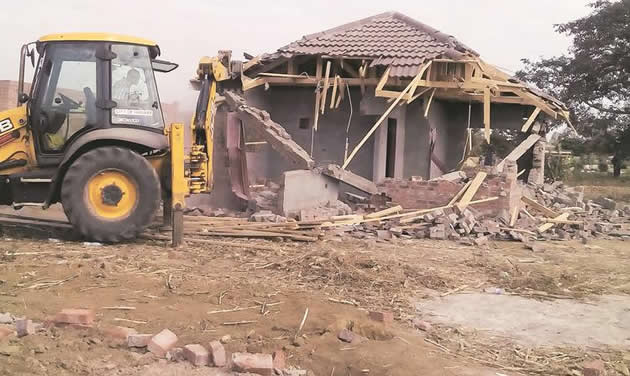
Chiota said the violence followed the eviction of artisanal miners from the gold mine, raising concerns about the protection of local communities and their access to mineral resources.
The incident also reignited debate over the allocation of mining claims, with legislators questioning how artisanal miners could be displaced from areas they had been working when other parties subsequently produced licences or documents claiming rights to the same sites.
MP Corban Madzivanyika asked what measures the government was taking to make sure there was consistency in the issuance of mining rights and prevent artisanal miners from losing claims they had been operating.
In response, Makwiranzou said the ministry was developing an electronic cadastre system (e-cadastre) aimed at improving transparency in the administration of mining claims and reducing disputes.
He said the system would digitalise mining records and establish a registrar responsible for maintaining them, reducing the risk of information being misinterpreted or records being manipulated.
“The e-cadastre will help us to remove some of these disputes because it will all be digitalised and nobody can misinterpret the information from the e-cadastre. We will also have a Registrar of e-cadastre who will keep all the records and nobody can meddle with those records,” he said.
Makwiranzou, however, acknowledged some artisanal miners were operating without the necessary documentation, saying the government was working to formalise their activities.
He said indigenous miners needed to obtain the required papers to make sure their operations were legally recognised and protected.
“When they have the papers, nobody will come afterwards. What we will just consider is who was there first and he will be the legal person to mine at that particular site,” he said, without clarifying how a person first at a site would be considered the legal miner since priority of occupation alone may not establish lawful mining rights as indicated in above arguments.
MP Blessing Ropafadzo Makumire also questioned whether the government was doing enough to protect local miners who had established operations before another party arrived with documents claiming rights to the same area.
Makwiranzou said the ministry recognised the interests of local communities and existing landowners in mining activities.
He said where mining claims were located on privately or communally owned land, applicants were expected to negotiate with the landowners, with the Ministry interested in examining the resulting agreements.
“Our policy is to try and encourage the community and the indigenous landowners to also have a part of the mining benefits,” he said.
MP Brian James argued local communities were often excluded when mineral deposits were discovered in their areas, suggesting residents should be prioritised when mining opportunities emerged.
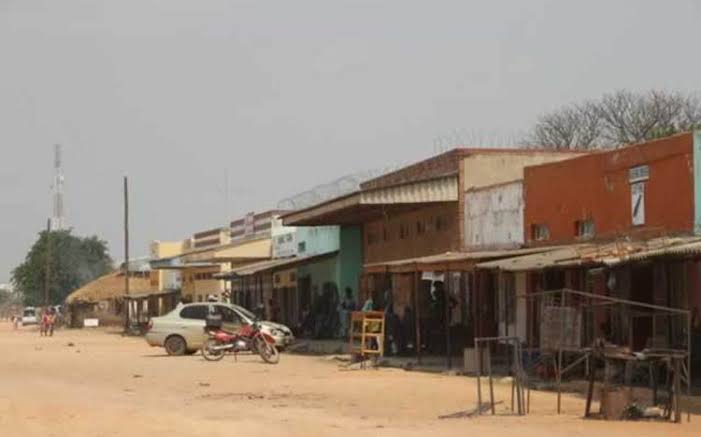
The Shurugwi violence has renewed concerns over competition for access to mineral resources, particularly where artisanal miners, mining companies and surrounding communities have competing interests.
The Ministry said investigations would continue, with Makwiranzou reiterating that both mining companies and artisanal miners were required to operate within the law.
He said the government remained committed to formalising artisanal mining, protecting legitimate mining rights and promoting peaceful coexistence between mining companies and surrounding communities.





Leave a Reply