

Poor water, sanitation and hygiene services are putting schoolgirls’ dignity, health and education at risk, UNICEF has warned.
UNICEF Zimbabwe Country Representative Etona Ekole said girls could struggle to manage their menstrual needs at school when institutions lack reliable water, adequate sanitation and private facilities, potentially disrupting their learning.
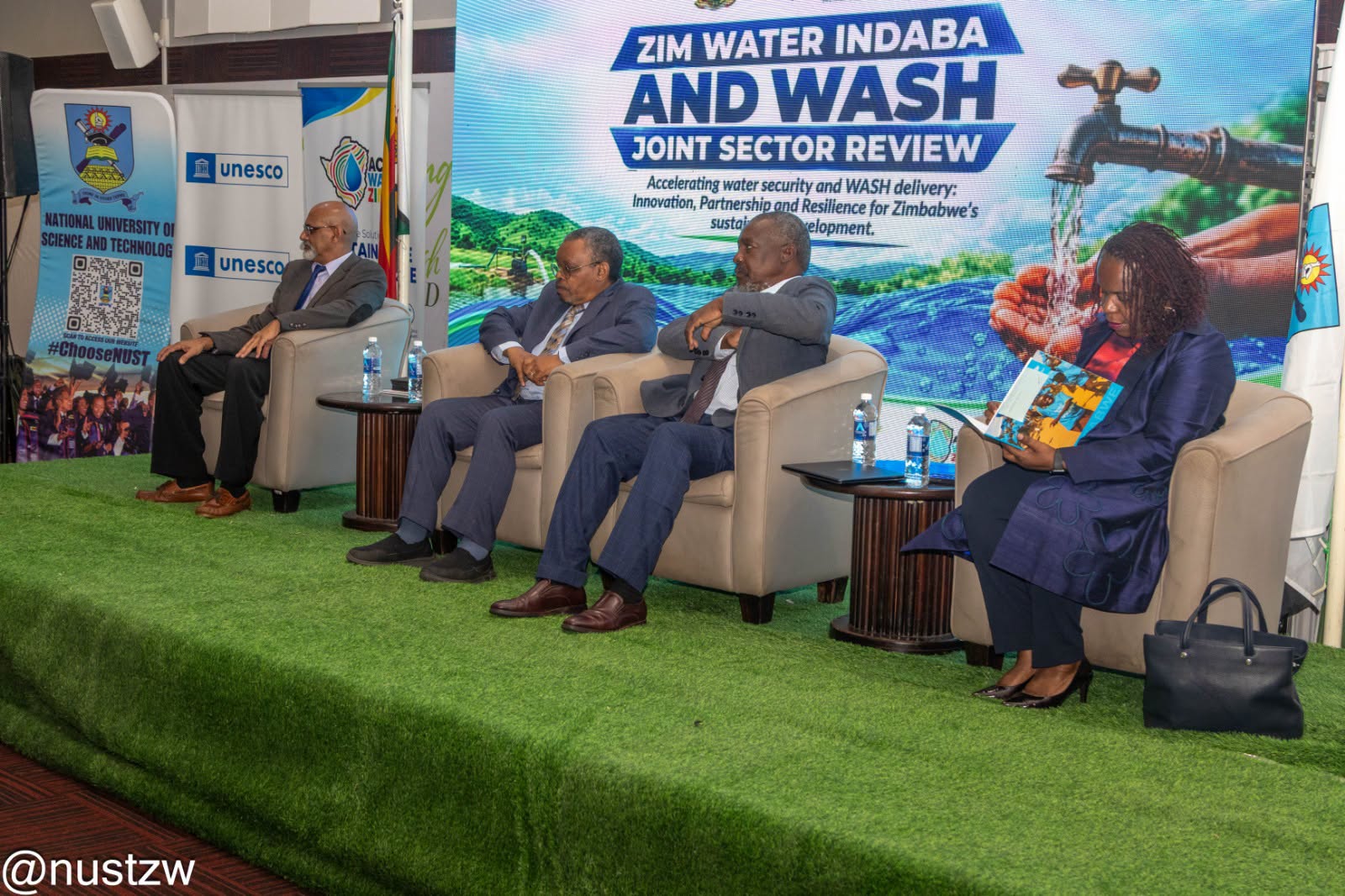
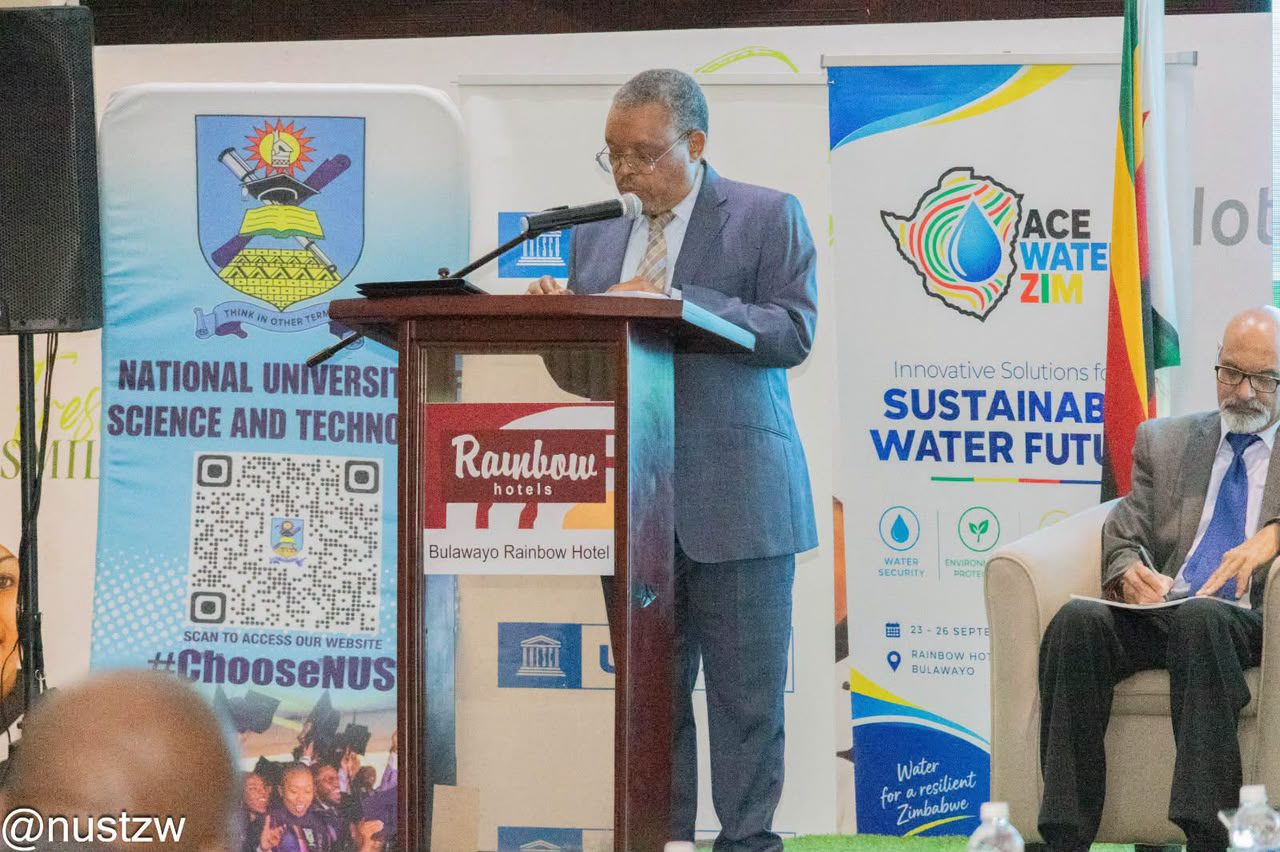
She was speaking at the 2026 Water Indaba and WASH Joint Sector Review, which is under way in Bulawayo from Wednesday to Friday.
The Indaba is being held under the theme, “Building Zimbabwe’s Water Future: Innovation, Collaboration and Action for Sustainable Water Security”, and brings together policymakers, researchers, development partners, the private sector, communities and young people to discuss the country’s water challenges and opportunities.
On this topic
“When water systems fail, children pay the highest price,” Ekole said.
“Unsafe water exposes them to diarrhoeal diseases, cholera and other infections, contributes to malnutrition, interrupts learning when children spend time collecting water or miss school because of illness, undermines menstrual health and dignity where schools lack safe and private facilities.”
Ekole said the problem went beyond access to water, as inadequate WASH services affected children’s ability to attend school, learn and live with dignity.
“A child without safe water is a child whose health, education and future are at risk,” she said.
Zimbabwe’s national access to basic drinking water has remained at about 64% since 2020, while basic sanitation stands at about 36% and hygiene coverage at around 42%, according to UNICEF.
“These are not only statistics. They are the daily experience of children who wake up without reliable safe water, girls and boys who attend schools without adequate handwashing facilities, and families who lack sanitation that protects children from preventable disease,” Ekole said.
She said girls and other children were also exposed to protection risks when they had to travel long distances or queue for water.
Ekole called for every school to have reliable water, gender-responsive sanitation and handwashing facilities to ensure that children could learn in safety and dignity.
“The test of progress will not be in plans alone, but in whether safe water reaches the child in the classroom, the newborn in the clinic, the adolescent girl who needs privacy and dignity, and the family in an underserved community,” she said.
She also warned that the situation could worsen if Zimbabwe experiences the elevated drought risk forecast for Southern Africa between October 2026 and March 2027 due to El Niño effects.
Ekole said declining water sources could force households to rely on unsafe water while schools struggle to maintain essential WASH services.
“We cannot wait for the next drought, the next outbreak, or the next crisis to act,” she said.
She called for investment in climate-resilient water systems, including the rehabilitation of boreholes, expansion of solar-powered piped water schemes and stronger water-quality monitoring.
“Safe water is not a luxury, and sanitation is not a secondary service. They are foundations of a child’s life chances,” Ekole said.




Leave a Reply