

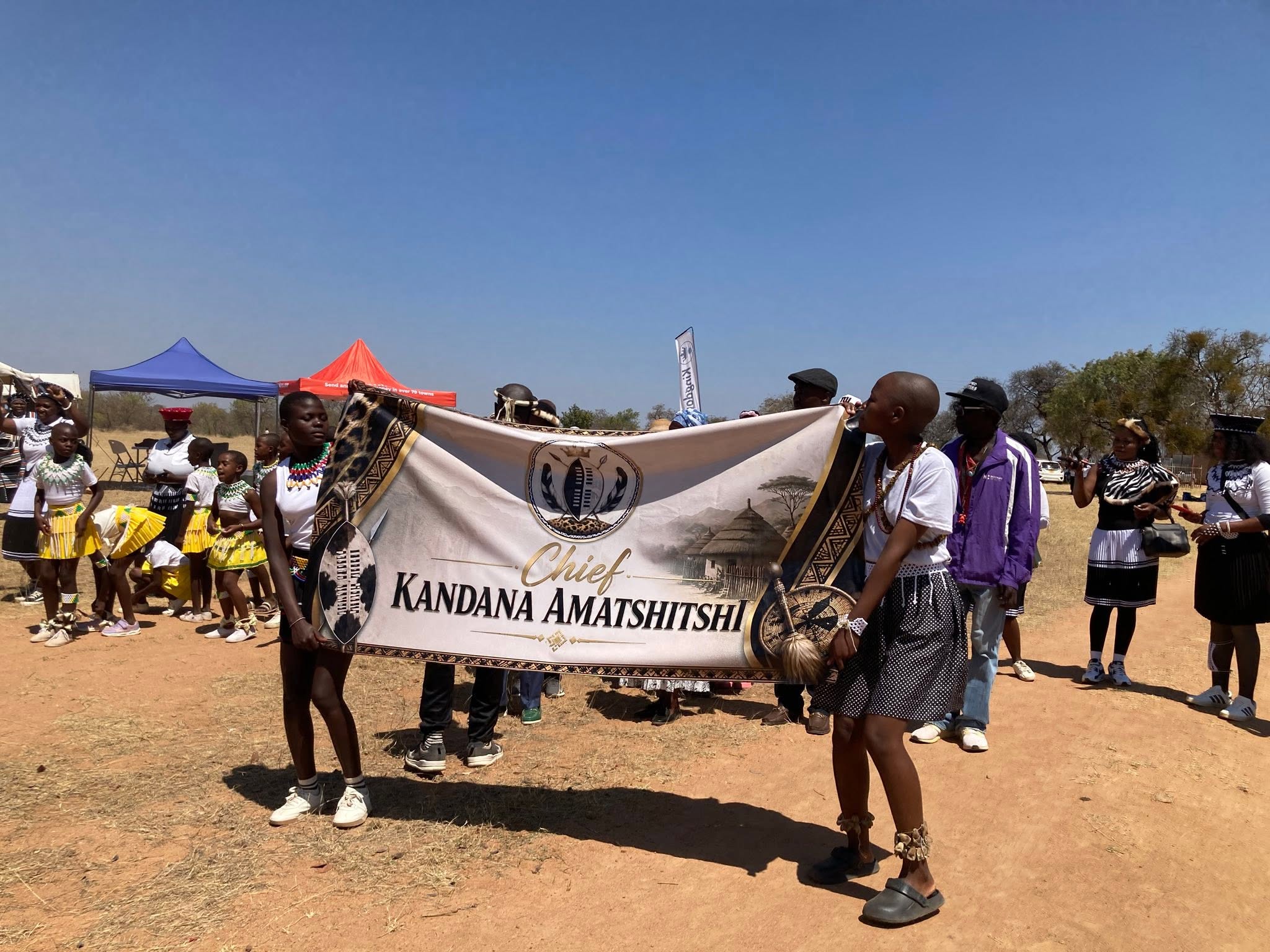
Cultural platforms such as the Gwambe Arts and Culture Festival are helping to revive traditions and showcase the diversity of communities that formed the kingdom of King Mzilikazi, a member of the Khumalo royal household has said.
Bornman Khumalo, who attended the two-day festival held at Gwambe Grounds in Bulilima District, said the participation of young people was a positive sign that cultural traditions could be preserved for future generations.
“We are at Gwambe in Plumtree. I am quite elated to see that children are participating in cultural activities. Both young girls and boys are here but we can see that there are more girls than boys, which is a good thing,” Khumalo said.
“They are showing so much zeal in what they are doing and there is potential that this will grow wider.”
On this topic
The festival, held under the theme “Celebrating Our Heritage, Inspiring Future Generations,” brought together communities, traditional leaders and members of the Khumalo royal family, with participants showcasing their heritage through music, dance, art, food and other cultural activities.
Khumalo said the initiative was important at a time when some young people were losing touch with their cultural identity and facing challenges in pursuing their education and future aspirations.
“This is quite important because we realise that most children are losing track of who they are. They do not understand their culture and traditions,” he said.
“Some are also losing the zeal to develop themselves by going to school and preparing for their future. Through such initiatives, we are addressing such issues and the future of the nation is being rebuilt.”
He said the participation of young girls singing maiden songs in isiKalanga demonstrated the cultural and linguistic diversity that should be preserved and celebrated.
“It was quite heartwarming to see young girls singing maiden songs in their language, isiKalanga, which shows their ethnicity. We want this diversity to be exhibited in the commemoration of culture,” Khumalo said.
“This is not a competition, it is a platform for everyone to showcase who they are, their culture and tradition. We are all equal, there is no one who is above the other.”
Khumalo said the diversity displayed at the festival reflected the different communities that became part of King Mzilikazi’s kingdom and should be viewed as a source of pride.
“The diversity and unity that is being shown here by the different nations that were under King Mzilikazi. The diversity portrayed here is our pride. It shows the people that we are,” he said.
“It is like the skin of a leopard, that has different colours of its spots. This is what makes the Ndebele nation unique and beautiful.”
He said King Mzilikazi had placed great value on human resources, making the development of young people an important part of preserving the future of the kingdom.
“King Mzilikazi was big on conserving human resources. He had such great wealth but to him the most important asset was human resource. People are the most valuable assets in any kingdom,” Khumalo said.
“All else may become extinct but a person is the most important resource. When we see culture being revived like this, we rejoice because it shows that there is future, there is continuity.”
Khumalo said cultural platforms should remain focused on preserving traditional values rather than politics, while also creating opportunities to encourage young people to pursue education and acquire skills.
“These cultural platforms are not political, they are only there to uphold traditional values,” he said.
“But going forward, we would wish to look into how best we can develop the human resources that we have. We want to ensure that people have jobs and develop themselves.”
He said unemployment should not discourage young people from pursuing education.
“Some children are giving up on school because of lack of jobs but through such platforms we want to encourage children to go to school and acquire important skills so that when opportunities arise in the future, they will be ready to take them,” Khumalo said.






Leave a Reply