
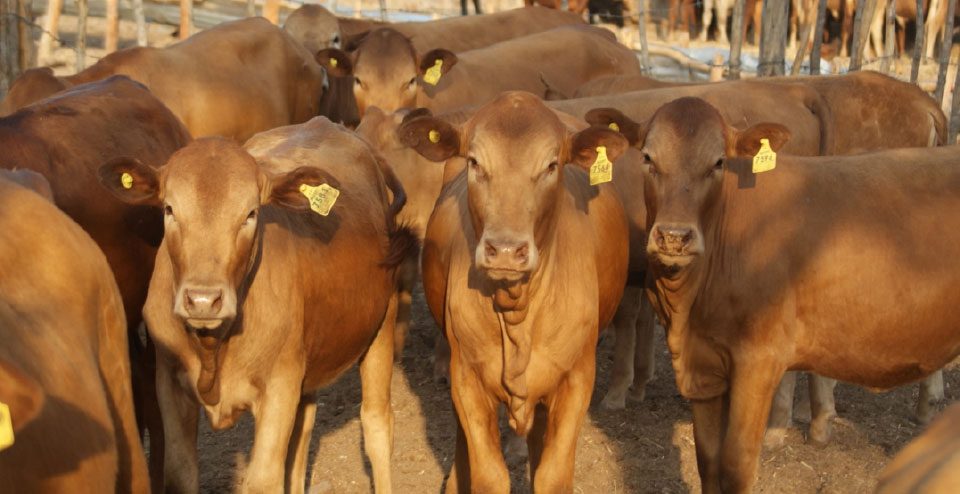
For 54-year-old Pitahano Phuti of Nswazwi village in Plumtree, the loss of his livestock in 2018 remains unresolved.
Eight years later, he still remembers travelling to Botswana and watching as his 20 cattle were shot, cut into pieces and thrown into a pit before being set alight.
Phuti says he was told he would be compensated after a Botswana national, Itani Thomas of Marobela village, was arrested and convicted over the theft of his livestock.
But he says he has received neither compensation nor a clear explanation of what happened to his claim, leaving him struggling to rebuild his livelihood.
On this topic
Phuti told CITE that 20 cattle were stolen from his farm in 2018 and taken across the border into Botswana.
The herd consisted of six cows, six heifers, four oxen and four calves.
“My livestock was stolen in 2018 by Itani Thomas from Marobela village in Botswana. They told me that we would go to court,” Phuti said.
“After two years, when the matter resumed in court, they said the thief was going to be sentenced to 16 years and that I was going to be compensated by the Government of Botswana since it was their national who committed the crime.”
Phuti said he was later informed that his cattle would be destroyed because they were considered a threat to Botswana’s livestock industry amid concerns over foot-and-mouth disease.
“They shot them saying cows from Zimbabwe have foot-and-mouth disease, but they didn’t test them to prove it. They just said as long as they are from Zimbabwe, they have diseases and are a threat to their livestock,” he said.
He said officials asked him to witness the destruction of the animals.
“I was called to witness the shooting. They called me saying the livestock were in such a place and when I got there, they had dug a huge pit,” Phuti said.
“They had looked for firewood and diesel. I don’t remember how many litres there were.
“They would shoot, cut them into pieces and throw them into the pit while I was watching my livestock burn to ashes.”
Phuti said officials handling the case told him the Botswana government would compensate him because Thomas was a Botswana citizen.
“The officers in charge of my case had told me that the government of Botswana was going to compensate me since the accused is their national. That was what was communicated to me,” he said.
But eight years later, Phuti says he has received no compensation and has had no further communication from the officials handling the matter.
“After that, I haven’t even met them. My passport has since expired and I have to re-apply in case they call me,” he said.
The financial cost of pursuing the matter across the border has added to his difficulties.
“But I no longer have the money since my whole bank was taken away from me,” he said.
Phuti said he was initially told each animal would be valued at 1,000 pula for compensation.
“They told me that one cattle would be 1,000 pula. Since then until now, there has been no communication. I don’t know what to do and I am appealing for assistance on how I can be assisted further,” he said.
At that valuation, the 20 cattle would have been worth 20,000 pula.
The loss has affected Phuti’s ability to rebuild his livelihood, with the cattle having represented both an income source and an investment for his family.
Contacted for comment, Inspector Thomas Ramocha, the police officer who handled the case when he was still based at Masunga Police Station in Botswana, confirmed that Thomas was serving a 16-year prison sentence.
“The person who is supposed to compensate him is still in prison. It’s not the Government of Botswana who is supposed to compensate him. He is serving 16 years in prison,” Ramocha said.
The conflicting accounts have left Phuti uncertain about who is responsible for compensating him and what steps he should take to pursue his claim.







Leave a Reply