

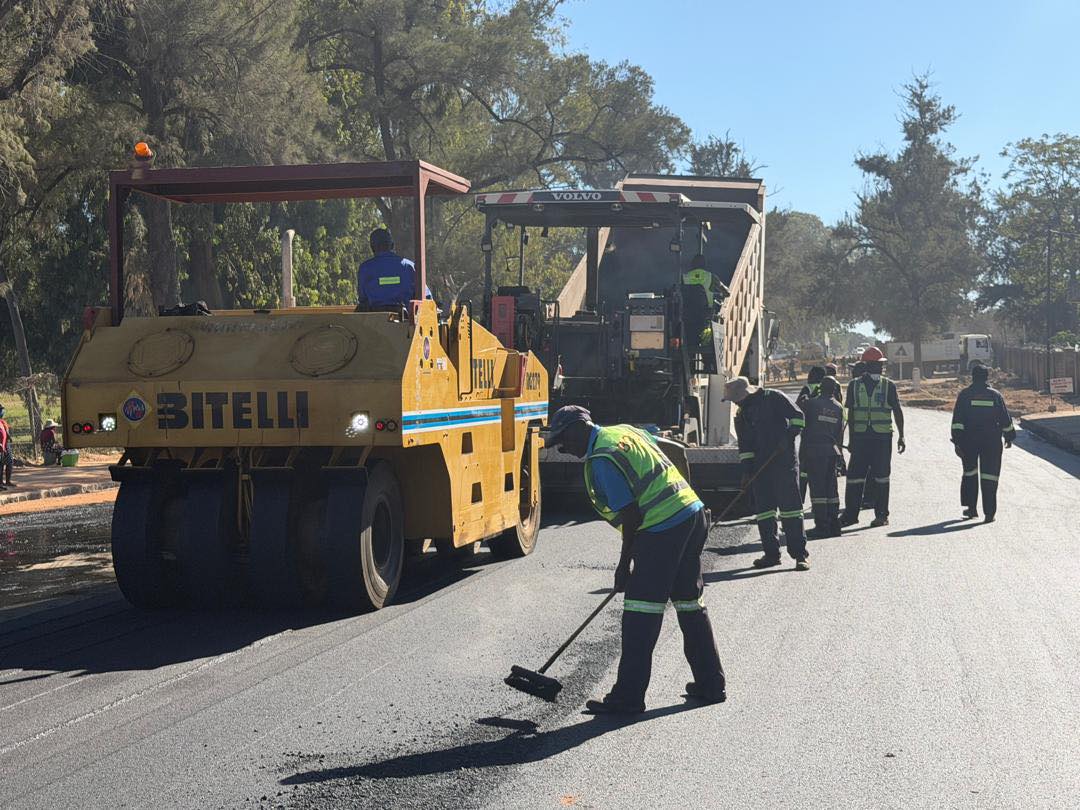
More than 75% of Bulawayo’s road network has outlived its economic life, with the city requiring an estimated US$700 million to restore roads to good condition, the Bulawayo City Council says.
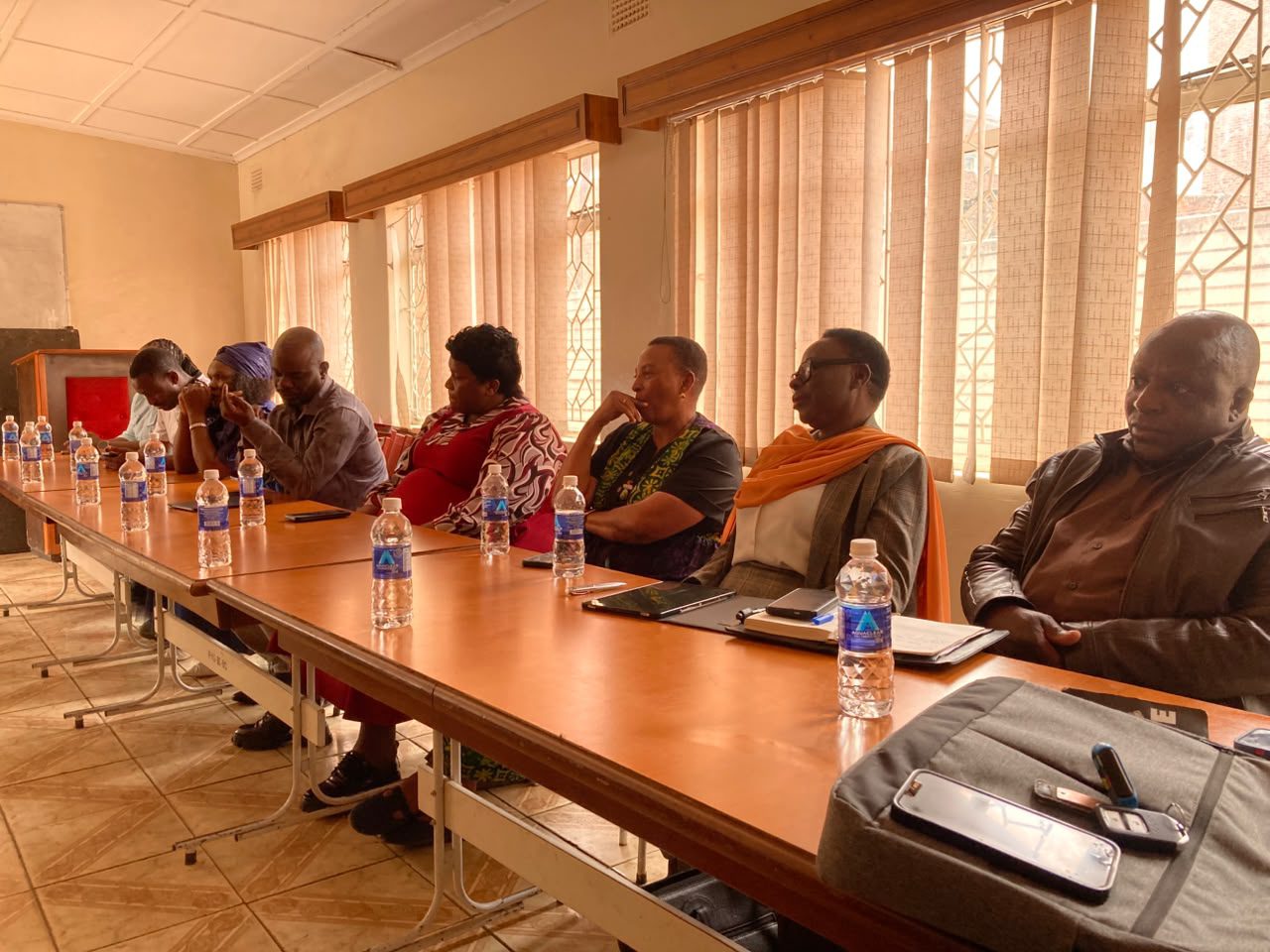
Acting Director of Works Engineer Methusi Dibidi revealed the figures during a media briefing at the council chambers on Wednesday, where he outlined the state of the city’s road infrastructure and the challenges affecting maintenance and rehabilitation.
Dibidi said years of deferred maintenance, driven largely by inadequate funding, had left much of the road network in poor condition.
“Based on a 2016 survey, more than 75% of the city road network has outlived its economic life. We are in this problem because of the failed maintenance programme, which is attributed to funding constraints. The city road network has been declining due to a large and growing backlog of deferred maintenance programmes. Approximately US$700 million is required to bring the network to good condition,” he said.
On this topic
He said the council’s ageing fleet had significantly reduced its capacity to carry out road maintenance.
“Council’s fleet is ageing, depleted and well below 1998 levels and requires urgent replacement. In 1998 we had 21 functional tipper trucks, but as I speak we have three. We had eight water bowsers; now we have four. Because of the United States, Iran and Israel war, we are getting a lot of contract variations because prices are being adjusted due to fuel increases,” said Dibidi.
He said rising operational costs and contractors’ demands for payment in US dollars had further strained the city’s road maintenance programme.
“Rates for plant hire continue to increase, making outsourcing unsustainable. We also have inadequate financial provisions for road maintenance programmes. Contractors and suppliers demand payment in United States dollars, which is a challenge because most of our revenue is collected in local currency. With the shortage of plant equipment, we try to hire trucks and water bowsers, but increasing fuel and operating costs mean their rates continue to rise,” he said.
Despite the challenges, Dibidi said the council aims to improve the condition of 382km of roads over the next five years.
“Our aim is to increase roads in good or better condition by 15%, which is 382km, over the next five years. We need US$15 million per year to achieve that target. The current level of funding is about US$2 million annually, which is only 13% of the required funding,” he said.
Dibidi said a road levy introduced in 2025 had generated additional revenue but remained insufficient to fund major rehabilitation works.
“The city proposed a road levy in 2025 of US$1 per household and US$10 per business stand. It generates approximately US$237,000 per month, translating to US$2.8 million per year across all 29 wards,” he said.
He said the council had decided to use the levy primarily to strengthen its service delivery capacity.
“The procurement process has been completed and we are now processing payment for 14 service delivery vehicles, including four tipper trucks and four seven-tonne trucks. The city is also considering introducing a road reconstruction development levy, which will be community-led and overseen by stakeholders. The pilot project will target Wards 3, 4 and 5 before being rolled out to other areas,” he said.
Dibidi said the city’s 2026 roads budget would rely mainly on parking management revenue and allocations from the Zimbabwe National Road Administration (Zinara), while expected devolution funds had not yet been released.
“The city’s budget for 2026 is US$6.5 million, mainly from parking management revenue. On average, the city contributes about US$1 million and Zinara provides about US$997,000. For last year and this year, we have not received any devolution funds. We intend to use those funds to procure plant equipment and service delivery vehicles. The procurement process has been completed and we are now waiting for the Ministry of Finance to release the funds,” he said.
Bulawayo’s road network covers about 2,550km, of which 74% is surfaced while 4% consists of earth roads.
“The city’s road network currently totals 2,550km, of which 74% is surfaced roads and 4% is earth roads. Earth roads are those where we have only cleared the bush and removed topsoil to provide access to properties,” Dibidi said.




Leave a Reply