

Bulawayo residents have welcomed the proposed Deposit Protection Corporation (DPC) Amendment Bill, saying stronger legal safeguards are needed to restore public confidence in Zimbabwe’s banking sector after years of bank failures and difficulties accessing savings.
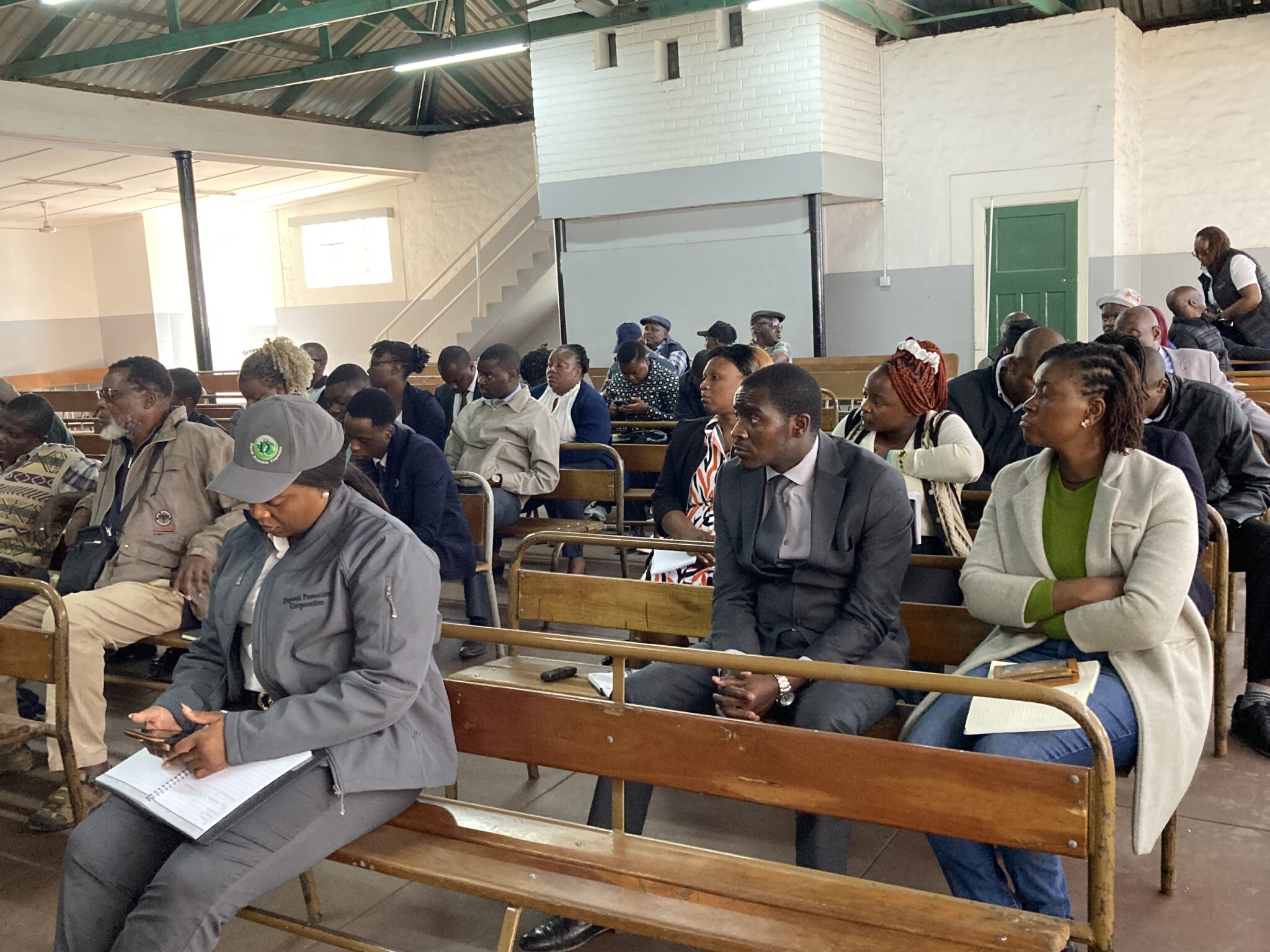
The Bill was discussed during a parliamentary public hearing at Stanley Hall on Tuesday, where residents shared concerns about losing savings when banks collapse and facing restrictions when trying to withdraw their own money.
The Parliamentary Portfolio Committee on Budget, Finance and Investment Promotion, chaired by Chipinge East MP Lincoln Dhliwayo, is conducting public consultations on the proposed legislation.
Dhliwayo said the Bill seeks to address long-standing weaknesses in Zimbabwe’s financial sector.
On this topic
“The Bill’s primary objective is to strengthen the Deposit Protection Corporation and, by extension, protect depositors. It seeks to introduce fundamental reforms that will transform the manner in which we deal with the insolvency of banking institutions in Zimbabwe.”
Enthumbane-Njube MP and committee member Prince Dube said the proposed amendments were designed to protect depositors from losses when banks fail.
“The Deposit Protection Corporation is proposing to protect depositors when a banking institution collapses,” he said. “We have seen this happen before, where people lost years of savings after banks closed down. This legislation seeks to ensure that depositors are protected from such losses in future.”
Several residents told lawmakers that repeated banking challenges had eroded trust in the financial system.
Rosemary Muzondo urged Parliament to ensure the Bill prioritises the protection of depositors, saying many Zimbabweans struggle to access their own money.
“What is happening at banks is discouraging people from banking their money,” she said. “You deposit money, but when you want to access it, the bank starts giving you excuses. Even accessing your salary can be a struggle. Some people are told there is no cash, while others are only allowed to withdraw limited amounts each day.”
Muzondo said pensioners faced similar problems after retirement.
“Someone retires and receives a lump-sum payout, but the bank tells them they cannot access all their money at once. That is not fair. Banks exist because of depositors and they should treat them fairly.”
She also suggested that lawmakers consider measures to strengthen the country’s currency.
“Zimbabwe has abundant mineral resources and if some of them are used to back the currency, it may help protect depositors’ money if a bank is liquidated,” she said.
Another resident, Greatman Sibanda, said he hoped the proposed law would prevent others from experiencing the losses he suffered.
“I am a victim of a flawed banking system,” he said. “I opened an account when Zimbabwe adopted the United States dollar around 2009 and deposited US$50 every month. In 2019, I went to withdraw my savings, but the bank told me the money had not yet matured. When I returned in 2020, I was told they could no longer trace my funds. To this day, I am still trying to recover my money but I have not received any assistance.”
Another participant said the legislation should recognise the time value of money when compensating depositors after the collapse of a financial institution.
“If I have kept my savings in a bank for years, the institution has been using that money in its day-to-day operations. Depositors should receive fair value for their savings and should not lose everything simply because a bank has failed,” the participant said.







Leave a Reply