


Education officials have raised concerns that Zimbabwe’s Basic Education Assistance Module (BEAM), a programme designed to keep vulnerable children in school, is failing to reach some of its intended beneficiaries because of irregularities in the selection process.
Officials say some community selection committee members are allegedly prioritising relatives and associates over children most in need, undermining the programme’s purpose at a time when many families are struggling to afford school fees.
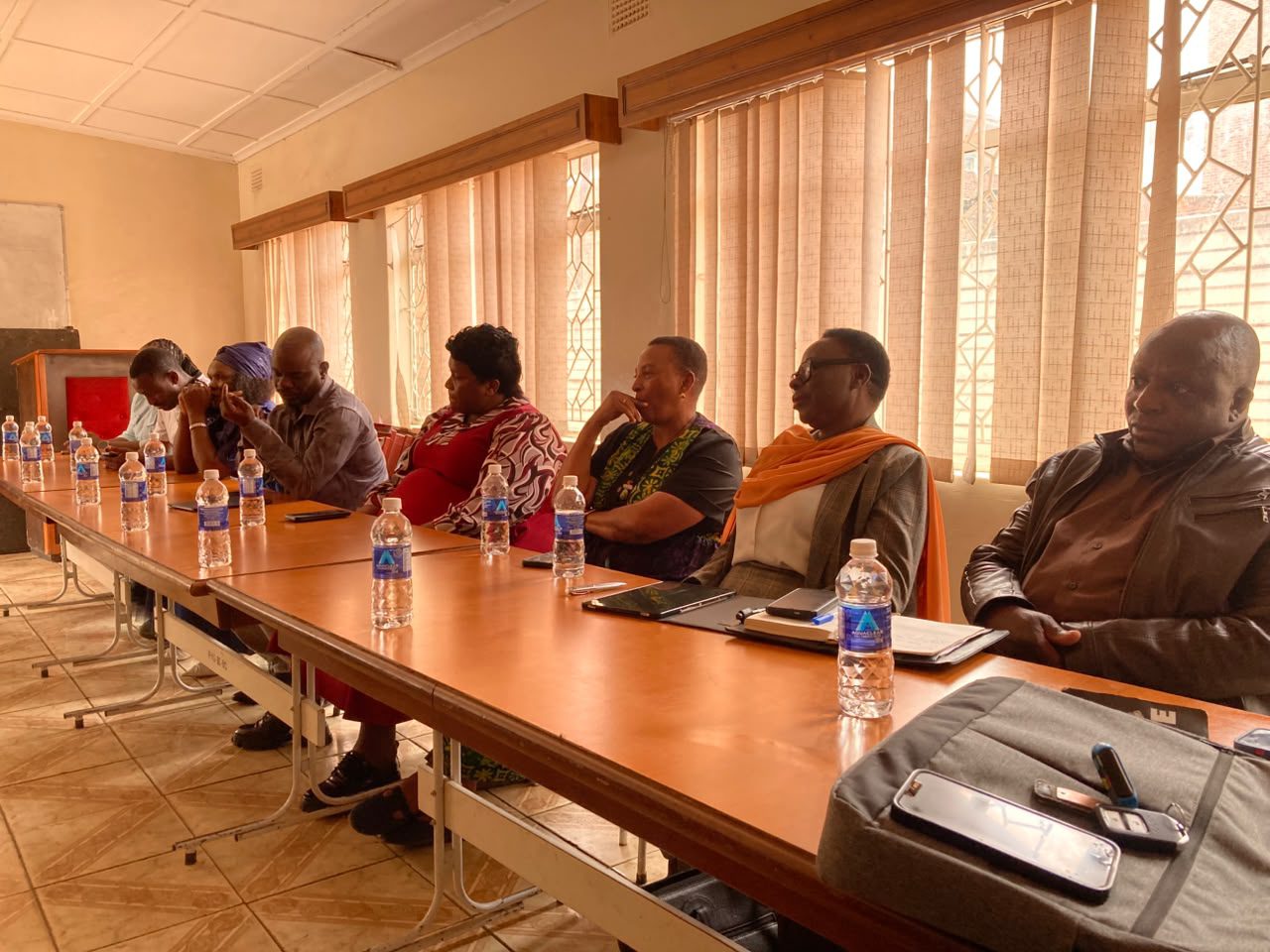
Speaking at a policy dialogue on strengthening education safety nets through transparency and accountability in Bulawayo recently, Bulawayo Deputy Director for Primary and Secondary Education Fundirai Fundani said BEAM had drifted from its original design as a transparent, community-led programme.
“BEAM started as a genuine module assisting children who are vulnerable. A vulnerable child is one whose economic circumstances are clearly difficult and who cannot afford basic school requirements,” said Fundani.
On this topic
“When it started, it was never meant to be a school programme but a community programme.”
Fundani said the programme was deliberately structured to ensure schools did not have sole responsibility for identifying beneficiaries.
Instead, community-based selection committees made up of school heads, teachers, parents and community leaders were established because they were better placed to identify children most in need.
“The programme initially stated that there was supposed to be a selection committee which included parents and community leaders so that they could identify deserving children because community leaders understand the needs within their communities,” she said.
She said applications were meant to be publicly announced and submitted through schools before being assessed against clear eligibility criteria.
“There was guidance on how they selected beneficiaries, depending on the allocation received by the school and the school fees required. They would then choose the most deserving children,” she said.
Fundani also rejected the perception that BEAM was intended only for orphaned children.
“There was a time when people thought vulnerable meant only orphaned children, but that was never the case. Orphans are prioritised, but there are also children whose parents are alive yet cannot provide school necessities. Those children should also benefit if the allocation permits,” she said.
However, she said the programme’s integrity had been weakened by manipulation of the selection process.
“The deviation that is there is that it has been observed that the selection committee does not do its job well. The committee now brings in their own people, which qualifies to what we call corruption,” she said.
“The committee puts their own children, yet in the community there are more deserving children who are meant to benefit from BEAM.”
Her comments come amid growing concern over the administration of social protection programmes as worsening economic conditions leave more families unable to meet the cost of education.
Participants at the policy dialogue called for stronger oversight of beneficiary selection, greater community participation and more transparency in compiling beneficiary lists to ensure assistance reaches children most in need.
The concerns also come as the government considers reforms aimed at improving the programme’s administration.
The Ministry of Primary and Secondary Education recently said proposals were being considered to transfer responsibility for administering BEAM from the Ministry of Public Service, Labour and Social Welfare to the education ministry.
The proposed change is intended to shorten the funding chain and speed up the disbursement of school fees to schools.
Under the current system, Treasury releases BEAM funds to the Ministry of Public Service, Labour and Social Welfare under the social services budget. The ministry then transfers the funds to the Ministry of Primary and Secondary Education, which subsequently disburses the money to schools.
Education stakeholders say improving governance alongside faster disbursement of funds will be essential to restoring public confidence in the programme and ensuring BEAM fulfils its purpose of keeping Zimbabwe’s most vulnerable children in school.






Leave a Reply