
Zimbabwe is accelerating irrigation development by harnessing water stored in its dams as the country braces for a potentially drier 2026/27 agricultural season, with authorities warning that climate change and a possible El Niño weather phenomenon could threaten rain-fed farming.
The Zimbabwe Meteorological Services Department (MSD) has forecast a high probability that El Niño could develop during the 2026/27 rainy season, raising concerns over reduced rainfall and its impact on food production.
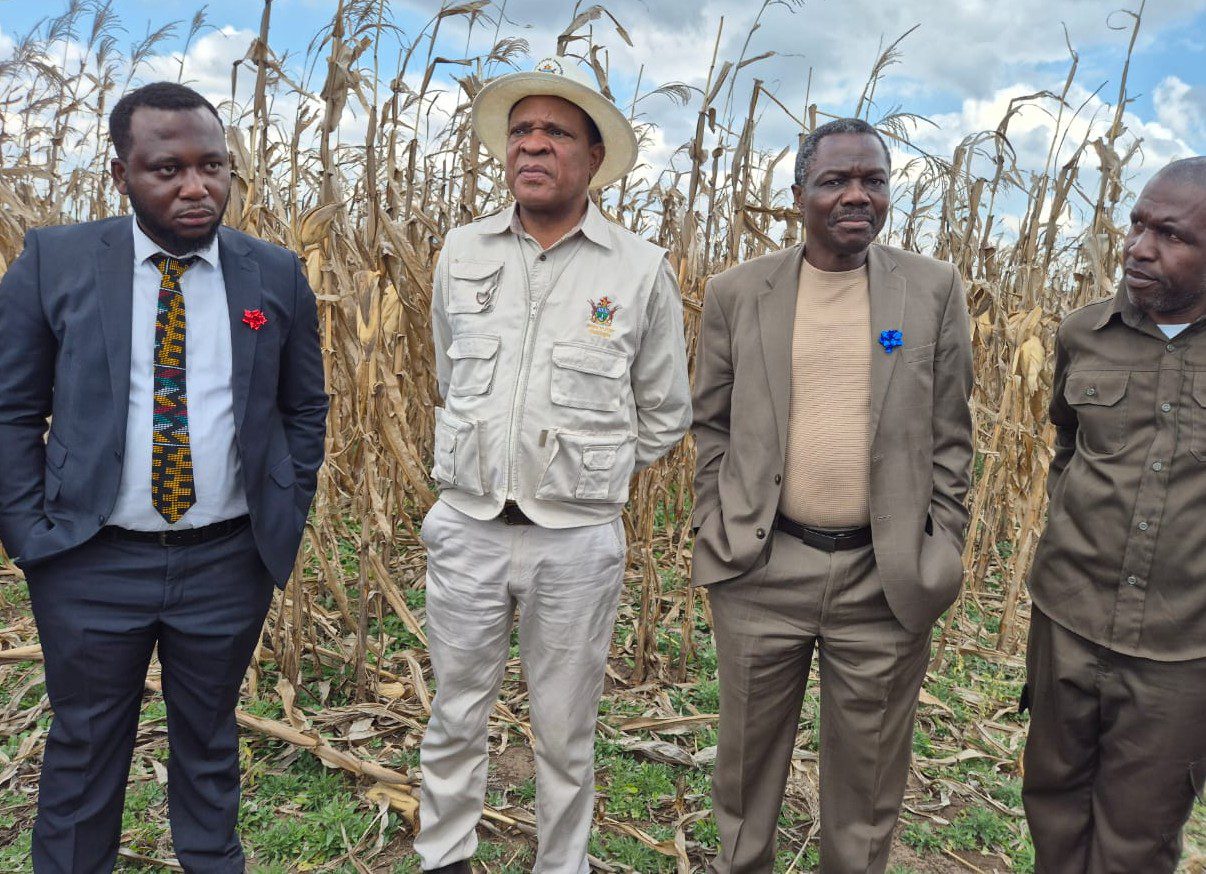
Speaking during the commissioning of the Wanezi Dam and irrigation project in Matabeleland South last week, Minister of Agriculture, Mechanisation and Water Resources, Dr Anxious Masuka, said climate change was making it imperative for Zimbabwe to climate-proof its agricultural sector to safeguard food security.
The project, aimed at improving climate resilience and food security, was commissioned by the Government of Zimbabwe and the United Nations Development Programme (UNDP), with funding from the United Kingdom’s Foreign, Commonwealth and Development Office (FCDO).
On this topic
“Climate change is real. Zimbabwe is predicted to become drier in the decades ahead, but we must continue to eat,” Masuka said.
The minister said Zimbabwe’s response to climate change is centred on climate-smart agriculture at both household and national levels.
At household level, Masuka urged farmers to adopt the Pfumvudza/Intwasa conservation agriculture model and grow crops suited to their agroecological regions.
He described Intwasa as “a modern scientific method of precision farming” that enables efficient use of agricultural inputs.
Masuka also encouraged farmers in Regions Three, Four and Five to prioritise drought-tolerant traditional grains such as sorghum, pearl millet and finger millet instead of relying on rain-fed maize production.
“If you are in Regions Three, Four and Five and you want to eat maize, you must produce sorghum so that when the Grain Marketing Board comes, you can exchange a bucket of sorghum for a bucket of maize. If you produce maize, it may not ripen and you will have nothing to exchange” the minister said.
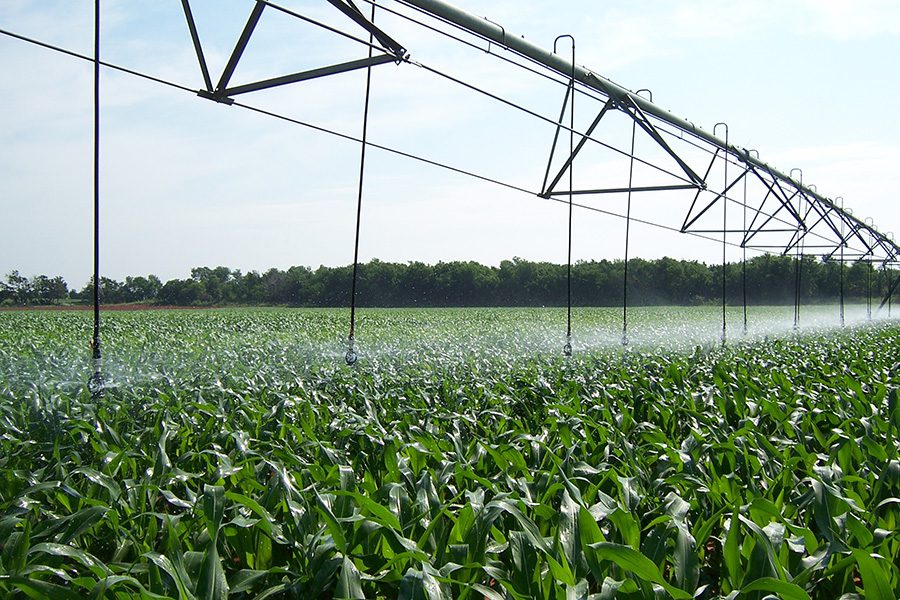
Beyond household production, Masuka said Zimbabwe was intensifying irrigation development to reduce dependence on increasingly erratic rainfall.
He said the country was working towards President Emmerson Mnangagwa’s target of developing 496 000 hectares under irrigation by 2030, up from the current 258 000 hectares.
“We also want climate-smart agriculture and climate-proofing agriculture at a national level through accelerated irrigation development, which is why the President has given us the ambitious target of 496 000 hectares to be developed by 2030. We currently have 258 000 hectares developed,” he said.
Masuka said several dams had already been identified for irrigation expansion to help achieve the target.
“We have identified quite a few dams that we want to prioritise in order to accelerate irrigation development on 113 000 hectares to meet the President’s target. Clearly, this is the right track and this is what the President has urged us to accelerate,” he said.
He said the initiative forms part of the Government’s “A Dam is an Economy” programme, which seeks to make sure every dam contributes directly to economic development rather than simply storing water.
“A dam is impounding water, but that water must be impounded for a purpose. Each dam must have a purpose defined before you complete it or even before you start it,” Masuka said.
According to the minister, water should be viewed as an economic asset capable of transforming rural communities through irrigation, fisheries, livestock production and the provision of potable water.
“Water, until utilised for the intended purpose, is idle. It is idle capital,” he said.
Using Wanezi Dam as an example, Masuka said authorities intended to maximise its economic potential through irrigation development, commercial fisheries and domestic water supply.
He said the approach reflects Zimbabwe’s broader strategy of transforming dams into engines of agricultural production, rural industrialisation and climate resilience as the country prepares for increasingly unpredictable weather patterns.






Leave a Reply