

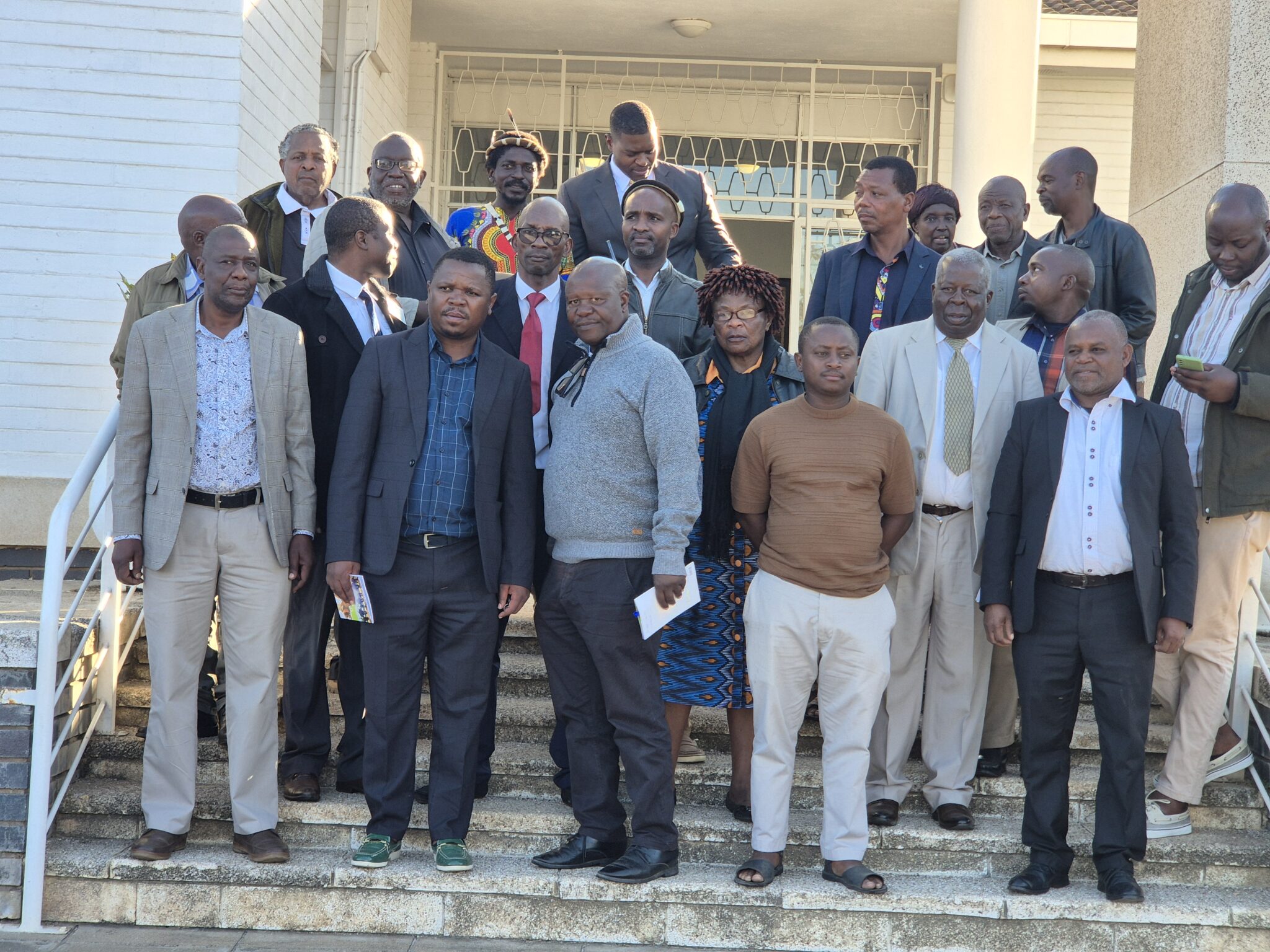
The Church of Jesus Christ of Latter-day Saints is seeking stronger partnerships with traditional leaders to expand its community development programmes into rural areas across Matabeleland North, Matabeleland South and neighbouring regions.
On Wednesday, the church hosted 11 chiefs from Matabeleland to discuss potential collaborations aimed at improving livelihoods through community-driven development projects.
Speaking during the engagement, the Zimbabwe Stake President for the Church of Jesus Christ of Latter-day Saints, Mzingaye Ndlovu, said the meeting was intended to strengthen relationships with traditional leaders while introducing them to the church’s humanitarian and development initiatives.
“We managed to host 11 chiefs from areas in and around Bulawayo, Matabeleland South and Matabeleland North. Our objective was to create an opportunity for dialogue where they can better understand who we are, what we stand for, and the projects we have undertaken in some of their communities, as well as those we hope to implement in the future,” said Ndlovu.
On this topic
The church has supported a range of development projects, including the construction of classroom blocks and clinics, borehole drilling, solarisation initiatives and nutrition gardens.
Ndlovu said the church views traditional leaders as critical partners and gatekeepers of rural communities.
“Basically, what we hope to achieve is entry into the chiefs’ areas so that they can allow us to undertake these service projects,” he said.
He emphasised that future interventions would not be imposed on communities but would instead be guided by local priorities identified by residents, government officials, community leaders and traditional authorities.
“The service projects will be determined by the Government, community leaders and the chiefs themselves. We want to know what communities need most in their areas,” he said.
“What we have done over the years is listen to communities and respond to the needs they identify.”
Ndlovu said the church was committed to long-term partnerships rather than short-term interventions.
“We are here to stay. We do not want to implement projects that start and end. We want to become part of the community and contribute to its upliftment over the long term,” he said.
While much of the church’s previous development work has focused on urban and peri-urban communities, Ndlovu said there was now a deliberate effort to deepen engagement in rural areas.
“As we move further into rural communities, we have realised that while government officials and community leaders play an important role, traditional leaders are central to the leadership structures of these areas. It is important that they are fully involved,” he said.
“In that way, we also give these projects the dignity and recognition they deserve.”
Ndlovu highlighted some of the church’s ongoing programmes, including school and clinic construction, as well as nutrition gardens designed to improve food security and household incomes.
“We have been building schools and handing them over to communities and government. We have also built clinics and established nutrition gardens where community members are trained to grow crops, rear animals such as rabbits and chickens, market their produce and develop sustainable livelihoods,” he said.
“I believe we will continue with these initiatives, but with an even greater focus on listening to communities and supporting the priorities they identify.”
The chiefs used the platform to outline some of the pressing development challenges facing their communities.
Chief Gampu of Tsholotsho appealed for support in establishing a technical and vocational training college, saying young people in the district lacked opportunities to acquire practical skills.
“There are no technical colleges in Tsholotsho. The one that was there was relocated to Mzingwane, leaving us without such a facility. Our children need technical skills so that when they seek opportunities elsewhere, including in South Africa, they have employable skills,” he said.
“I am appealing for a skills college. That is my dream, and I would be the happiest chief if it became a reality.”
Chief Gampu, however, expressed cautious optimism, noting that many organisations had previously made promises that were never fulfilled.
“So many times we have seen people come with promises, only to disappear afterwards. I hope you are not going to vanish,” he said.
Chief Mathema of Gwanda North highlighted the urgent need for improved accommodation for teachers in rural schools, arguing that staff welfare is often overlooked despite its importance to educational development.
“In all the schools in my area, we have already moulded bricks in anticipation that assistance may come one day. This engagement comes at the right time because our priority is the construction of teachers’ cottages,” he said.
“My concern is that while many organisations focus on classroom blocks, staff accommodation remains in a poor state. Yet teachers are the people who drive development in these communities.”
He said improving teachers’ living conditions would contribute significantly to better educational outcomes.
“In many cases, the focus is on learners, which is important. But I have never heard of an organisation or NGO that specifically focuses on staff housing. I believe it should become a key priority because when teachers are comfortable, they are able to perform better,” said Chief Mathema.
“These days we have technologies like Starlink, but many teachers in rural areas still feel isolated from what is happening elsewhere. If we focus on improving their living and working conditions, we can make real progress.”
Support CITE’s fearless, independent journalism. Your donation helps us amplify community voices, fight misinformation, and hold power to account. Help keep the truth alive. Donate today



Leave a Reply