

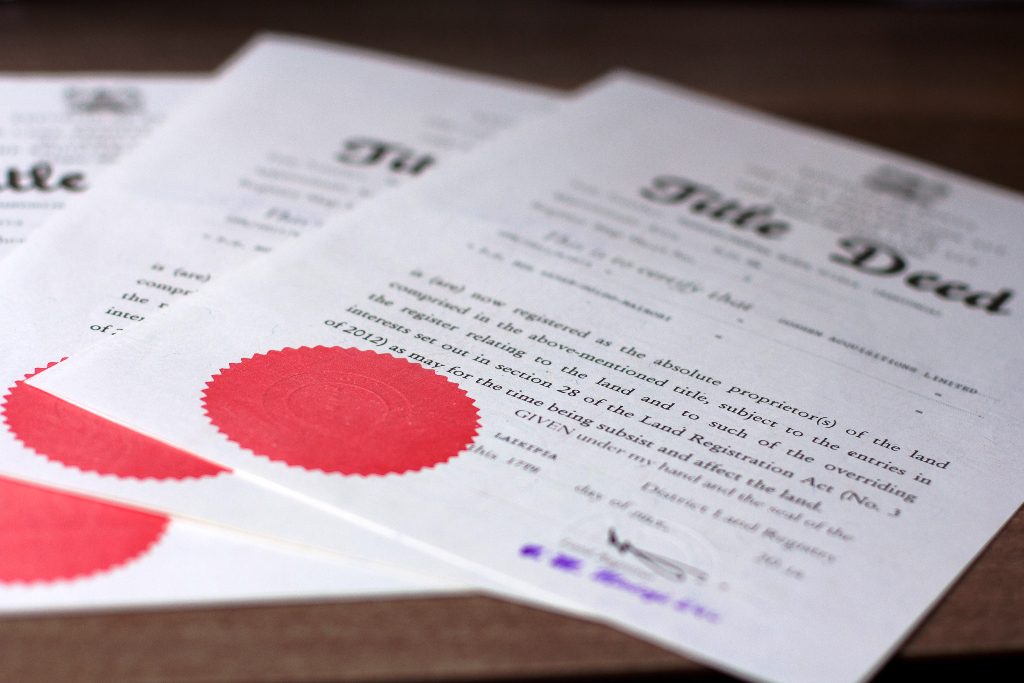
Fears that homeowners could lose their properties if they fail to validate their title deeds under Zimbabwe’s new digital title deeds programme have been allayed by the government, which says ownership rights will remain intact even after the validation deadline expires.
Speaking during an X Space hosted by Asakhe Online, Deputy Chief Registrar Thulani Sibanda said no property would be forfeited to the State because of non-compliance with the title deeds validation and securitisation programme introduced under Statutory Instrument 76 of 2025.
“No property will be forfeited to the State because of failure to validate a deed,” Sibanda said.
The assurance comes amid growing debate over the programme, with some property owners expressing concern about what the transition from paper title deeds to digital records means for their ownership rights.
On this topic
Sibanda explained that while unvalidated paper title deeds would lose their transactional value after the 24-month validation period, ownership of the property would not be affected.
“A person will not be able to sell the property, obtain a mortgage bond or use that paper deed for transaction purposes. The property remains theirs, but the paper deed loses its transactional value,” he said.
The government launched the programme to establish a secure digital database of title deeds and strengthen the integrity of property records.
“The objective is to create a digital platform where records are accurate, secure and protected from fraudulent activities,” Sibanda said.
Under the programme, property owners are required to submit their paper title deeds for validation, after which they are converted into securitised digital records.
Sibanda said the initiative was prompted by increasing incidents of fraud, lost records and the deterioration of paper deeds.
“Title deeds are being tampered with, lost and their integrity is being depleted. We have seen situations where old deeds were so damaged that ownership details could no longer be identified,” he said.
The exercise follows an earlier phase in which the Deeds Registry digitised its existing records by scanning them into an electronic system.
Authorities are now comparing title deeds held by property owners with records already stored at the Deeds Registry to verify their authenticity.
“What we are doing now is verifying whether the title deed that a person holds is the same as the record that we have so that we maintain an accurate database,” Sibanda said.
Property owners are required to engage a lawyer of their choice to verify ownership details and submit the documents for processing. The prescribed validation fee is US$200 per property.
Despite concerns about the cost, Sibanda said the process would help protect homeowners from fraud and preserve the value of their properties.
“When people validate their deeds, they secure their properties against fraud and ensure that ownership records remain protected for future generations. Property is an appreciating asset and this process helps preserve its value,” he said.
Support CITE’s fearless, independent journalism. Your donation helps us amplify community voices, fight misinformation, and hold power to account. Help keep the truth alive. Donate today







Leave a Reply