
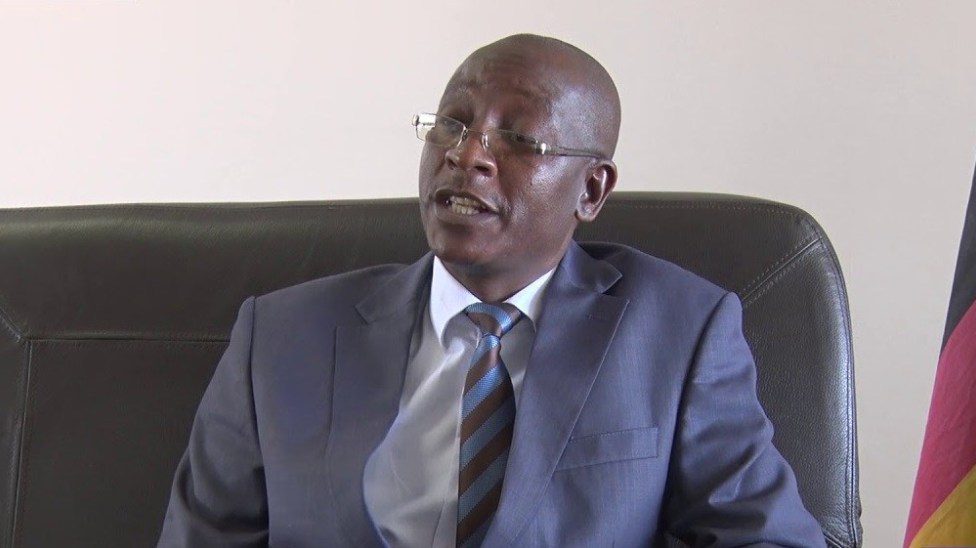
The proposed Constitutional Amendment Bill No. 3 (CAB3), which seeks to introduce significant changes to Zimbabwe’s governance framework, including extending the terms of elected officials and changing the presidential election system, is set to be introduced in Parliament this week, Justice, Legal and Parliamentary Affairs Minister Ziyambi Ziyambi has said.
Speaking ahead of the Bill’s presentation, Ziyambi said the proposed constitutional amendment would undergo its first reading on Tuesday or Wednesday, marking the start of a parliamentary process expected to run until the end of June.
“As it is a Constitutional Bill, it is not referred to the Parliamentary Legal Committee, which would then allow me, if I am comfortable, to proceed to the second reading speech, where I will formally unpack the Bill to parliamentarians,” Ziyambi said.
“I will explain the provisions of the Bill, the rationale, and open up debate so that the various committees that undertook public hearings can present their reports on what members of the public said.
On this topic
“They will also present what they believe the Bill should be and, after that, it will be opened to all Members of Parliament to debate and proffer suggestions on clauses and how they think they should be framed. When all that debate is completed, I will then be able to respond to all the submissions.”
Ziyambi said parliamentary debates could result in amendments to some provisions before the Bill proceeds to the committee stage.
“If there is need to adjust or drop some clauses, I will then, in my closing speech after the second reading, indicate whether that consideration will be done before we proceed to the committee stage. But it will depend on the debate and how it unfolds in Parliament. Hopefully, we should be able to conclude the process by the end of June,” he said.
The Bill has drawn significant public and political attention because it proposes extending the tenure of Members of Parliament and President Emmerson Mnangagwa by two years.
It also seeks to repeal Section 92 of the Constitution, which provides for the direct election of the president by voters.
Under the proposed changes, the president would instead be elected by members of the National Assembly and Senate sitting jointly, with a candidate required to secure more than half of the valid votes cast.
Ziyambi recently ruled out a secret ballot for the final vote on the Bill, saying lawmakers would cast their votes openly through a division of the House.
Under that procedure, MPs will be counted according to whether they vote in favour of or against the proposed constitutional amendment, making each legislator’s position publicly known.
Support CITE’s fearless, independent journalism. Your donation helps us amplify community voices, fight misinformation, and hold power to account. Help keep the truth alive. Donate today







Leave a Reply