

Zimbabwe Lawyers for Human Rights has called on the government to intensify efforts to curb mining activities in dam catchment areas, warning that continued environmental degradation is threatening access to clean and safe water across Zimbabwe.
In a statement commemorating Africa Day, ZLHR said this year’s African Union theme, “Assuring Sustainable Water Availability and Safe Sanitation Systems to Achieve the Goals of Agenda 2063,” underscores the urgent need to protect water sources and sanitation systems.
The call comes amid growing concern over illegal and unregulated mining activities around Bulawayo’s supply dams and catchment areas.
Recent reports by CITEZW highlighted extensive gold panning and riverbed mining along the Umzingwane catchment area, which feeds key dams supplying water to Bulawayo.
On this topic
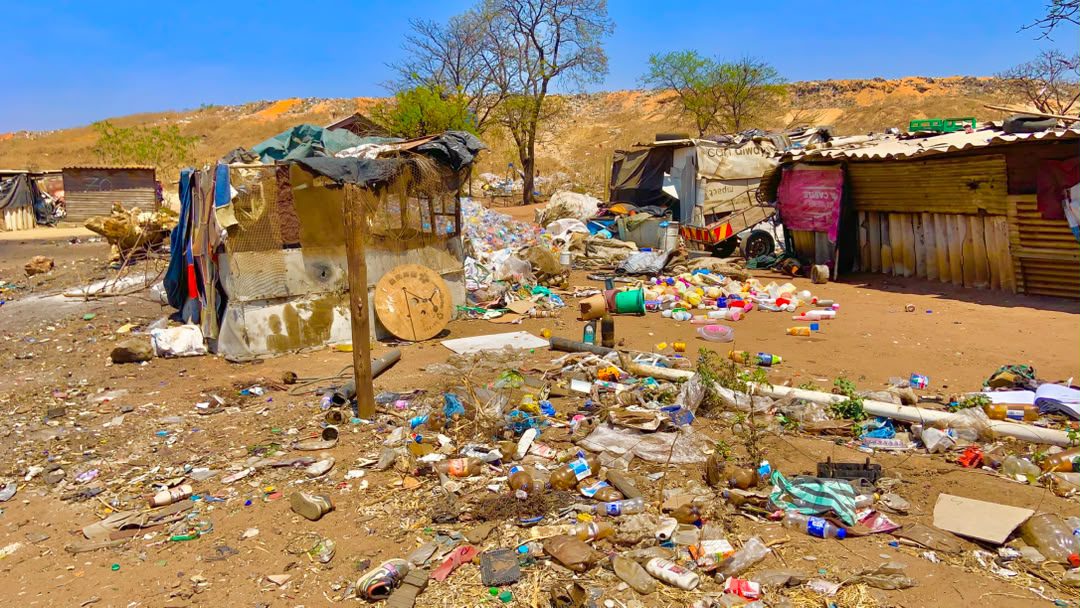
Authorities warned that the mining activities were damaging river systems, causing siltation and threatening the city’s already strained water supply.
“ZLHR reiterates that access to safe and clean water, adequate sanitation, and a healthy environment are fundamental human rights that are essential to the enjoyment of other rights, including the rights to health, life, education, development, and dignity,” the organisation said.
The organisation noted that many communities across Africa, including in Zimbabwe, continue to face water shortages, pollution and poor sanitation infrastructure.
“As Africa commemorates this important day, many communities across the continent, including in Zimbabwe, continue to face water shortages, inadequate sanitation infrastructure, pollution, environmental degradation, climate-related challenges, and inequalities in access to essential public services,” ZLHR said.
The lawyers cited Lake Chivero and Lake Alexander as examples of areas where unsafe mining practices and pollution have reportedly affected water quality.
“Recent developments in Zimbabwe underscore the urgency of this year’s theme. On 15 May 2026, the Ministry of Health and Child Care confirmed cholera cases in Zvishavane after weeks of severe water shortages had exposed the community to preventable health risks,” ZLHR said.
The organisation also referenced the High Court case involving Kuimba Shiri Pvt Ltd and the City of Harare over the continued contamination of Lake Chivero through raw sewage discharge into Harare’s main water source.
“In Bulawayo, water rationing remains in force despite improving dam levels, while in Penhalonga, mercury contamination at Lake Alexander, which supplies nearly a quarter of Mutare’s drinking water, has been recorded at levels almost 45 times the national safety threshold due to largely unregulated artisanal gold mining,” ZLHR said.
The organisation urged authorities to take decisive action against polluters and prevent further environmental damage in sensitive water catchment zones.
“In light of the foregoing, ZLHR calls on government to investigate and prosecute industrial polluters of Lake Chivero and other surface and groundwater sources in accordance with the Environmental Management Act and the polluter-pays principle,” the organisation said.
“We urge all relevant authorities to halt the issuance of new mining licences in water catchment areas pending the publication of environmental impact assessments and evidence of meaningful consultation with affected communities.”
Support CITE’s fearless, independent journalism. Your donation helps us amplify community voices, fight misinformation, and hold power to account. Help keep the truth alive. Donate today





Leave a Reply