


Zimbabwe Launches Sustainable Cities Programme for Harare and Bulawayo
Zimbabwe has officially launched the Urban and Peri-Urban Resilience through Investment for Sustainable Ecosystems Project under the Global Environment Facility Cycle 8 (GEF-8).
The programme is aimed at strengthening climate resilience, restoring ecosystems and promoting sustainable urban development in Harare and Bulawayo.
The project forms part of the Sustainable Cities Integrated Programme (SCIP) and is being implemented by the Ministry of Environment, Climate and Wildlife through the Environmental Management Agency (EMA), with technical support from the Food and Agriculture Organization of the United Nations (FAO).
The total funding package is valued at approximately US$19.4 million, combining GEF allocation funding and co-financing. Of this amount, Harare and Bulawayo will collectively receive US$3.5 million to implement urban resilience and ecosystem restoration initiatives.
On this topic
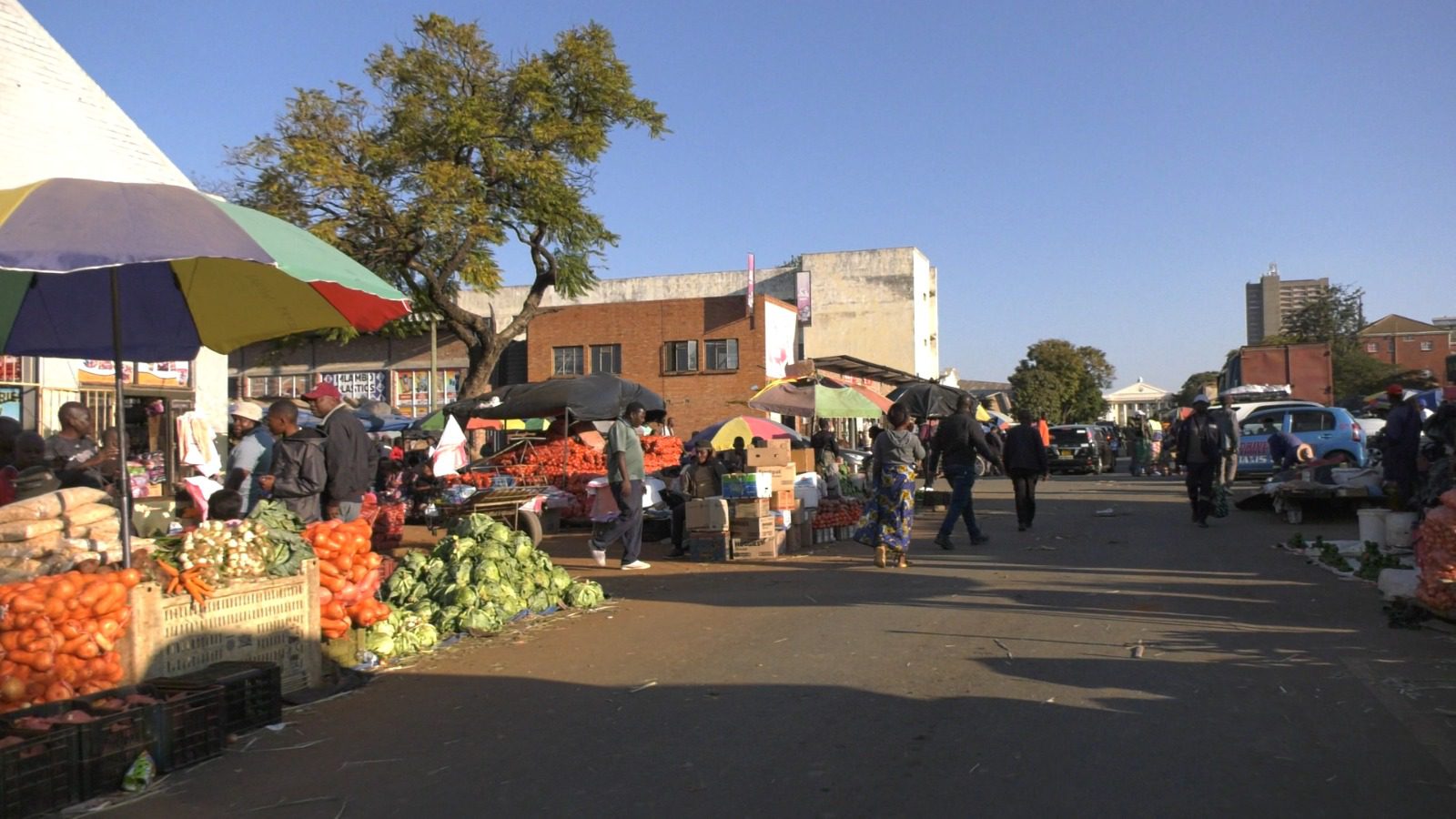
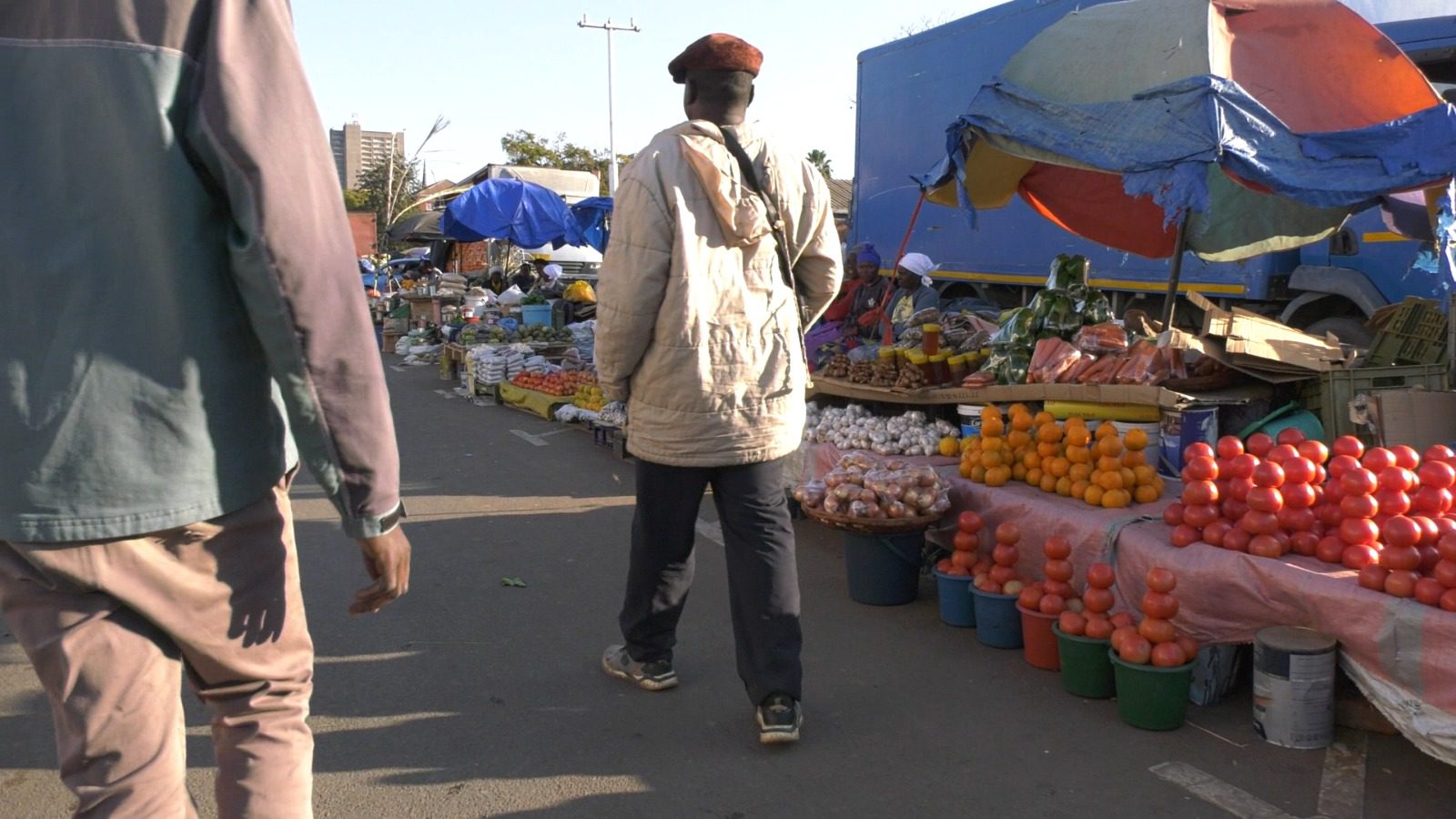
In Bulawayo, interventions will focus on Hillside/Burnside Lowlands, the “Lungs of the City” parks, Cowdray Park sand mining sites, nutrition gardens, Nkulumane Vegetable Market and Richmond Landfill (Ngozi Mine). In Harare, activities will be carried out at Monavale Vlei, the Marimba River Corridor, Budiriro and Hatcliffe Market.
Speaking at the launch, FAO Deputy Representative for Zimbabwe, Lesotho and Eswatini, Louis Muhigirwa, described the programme as a significant step toward transforming urban resilience and food systems in the country’s two largest cities.
“Today is not just a procedural milestone. It marks the transition from design to delivery — from concept to a five-year programme that will reshape how Harare and Bulawayo manage their food systems and urban resilience,” he said.
Muhigirwa noted that rapid urbanisation in both cities has placed severe pressure on natural systems and infrastructure.
He warned that Harare and Bulawayo are facing growing water scarcity and ecosystem degradation, resulting in increased flooding, declining water quality and heightened vulnerability for urban communities.
He also raised concern over the continued degradation of wetlands, which play a critical role in water storage, purification and flood control.
At the same time, he said waste management systems have not kept pace with urban growth.
In many high-density suburbs, less than 30% of waste is collected, leading to blocked drainage systems, polluted waterways and worsening flood risks, particularly as droughts become more frequent.
Muhigirwa added that the programme builds on FAO’s Green Cities Initiative launched in 2020, which seeks to transform agrifood systems, expand green spaces and strengthen urban resilience. He called on development partners and stakeholders to mobilise additional resources to ensure the long-term sustainability and impact of the project.
EMA Director General Aaron Chigona said the project aims to address waste management challenges, biodiversity loss and the impacts of climate change through ecosystem-based approaches. He described the initiative as a strategic investment in Zimbabwe’s urban future and expressed confidence that it would restore critical ecosystems, including wetlands, grasslands and forests, while promoting circular economy practices and supporting green jobs.
“I am confident that this project will restore critical ecosystems, promote circular economy practices, support green jobs and enhance climate resilience for more than two million urban residents,” he said.
Chigona stressed the importance of transparency and accountability in implementation, reaffirming EMA’s commitment to delivering results efficiently and ensuring the project becomes a model for sustainable cities in Zimbabwe and beyond.
Minister of Environment, Climate and Wildlife Evelyn Ndlovu described the initiative as a major milestone in Zimbabwe’s efforts to promote sustainable and inclusive urban development.
She said the programme is more than a project, but a commitment to safeguard the country’s green and blue ecosystems through practical, nature-based solutions such as wetland rehabilitation, reforestation and agroforestry.
Ndlovu said the initiative supports Zimbabwe’s Vision 2030 by promoting inclusive, sustainable urban development and improving quality of life.
She explained that it is anchored on climate-resilient urban planning, strengthened governance frameworks for wetlands, waterways and forests, innovative investments to regenerate ecosystems and build resilient infrastructure, and enhanced knowledge sharing and collaboration among stakeholders.
According to the minister, the project is expected to directly benefit more than 2.15 million residents in Harare and Bulawayo, with special attention given to women, youth and informal workers to ensure the transition to sustainable cities is inclusive and equitable.
Bulawayo Mayor David Coltart, represented by Ward 26 Councillor Mpumelelo Moyo, welcomed the initiative, saying it aligns with the city’s service delivery mandate.
He said the focus on sustainable cities, food systems and ecosystem restoration, including biodiversity conservation, climate change adaptation and mitigation, waste management and land rehabilitation, speaks directly to the city’s core responsibilities.
Moyo said the funding would enable Bulawayo to implement key climate resilience projects, improve landfill management and strengthen waste systems.
“Our hope is that by the end of this programme, Bulawayo will have strengthened its climate resilience and advanced its smart and sustainable city vision,” he said.




Leave a Reply