
The Environmental Management Agency (EMA) has warned of worsening air pollution, blaming vehicle emissions, industrial activity and widespread waste burning for deteriorating air quality.
EM said a combination of human activities across multiple sectors is contributing to environmental degradation and increased health risks.
In an interview with CITE, EMA’s Environmental Education and Publicity Manager, Amkela Sidange, said urban areas are particularly affected due to rising vehicle numbers.
“In Zimbabwe, the main causes of air pollution include emissions from vehicle exhausts, industrial production, energy generation, dust particles, poor waste management, and widespread burning of biomass and waste,” she said.
On this topic
She said high vehicular traffic in cities is leading to elevated levels of carbon monoxide, nitrogen oxides and particulate matter, which degrade air quality and contribute to greenhouse gas emissions.
“Due to high vehicular population in urban areas, there is a tendency to have elevated levels of carbon monoxide, nitrogen oxides, particulate matter, and unburnt hydrocarbons,” she said.
Industrial processes are also a significant source of pollution, according to EMA.
“Many industries, especially in big cities, burn fossil fuels or emit smoke, dust and noxious gases from manufacturing, smelting, cement works and refineries,” Sidange said. “These activities release sulphur dioxide, nitrogen oxides and particulate matter linked to respiratory illness and acid deposition.”
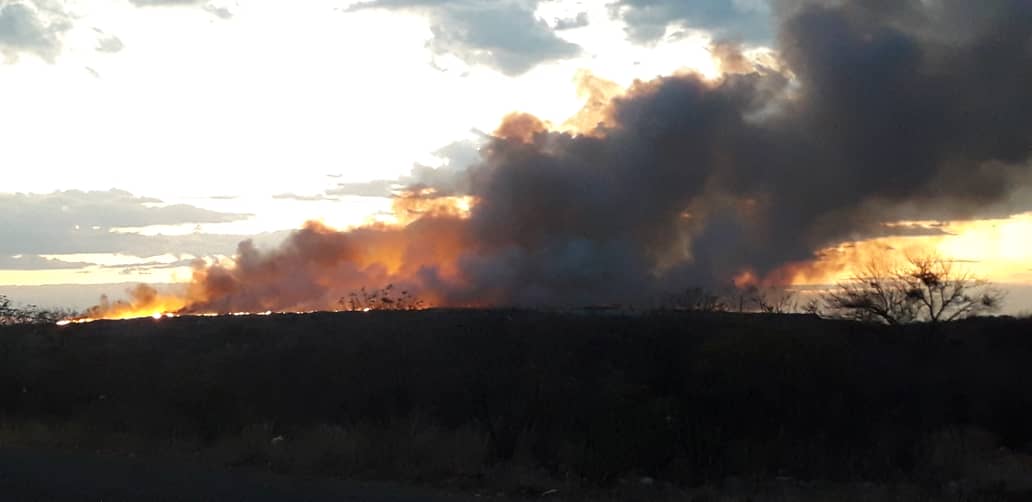
Open waste burning and veld fires were also identified as major contributors.
“Open burning of waste, veld fires and burning of agricultural or household biomass without proper controls releases large amounts of smoke, black carbon and volatile organic compounds,” she said.
EMA said the cumulative effect of these activities includes smog formation, reduced visibility and increased greenhouse gas emissions, which intensify climate change impacts such as floods, droughts and erratic rainfall.
Sidange warned that sulphur and nitrogen oxides from power stations and industrial facilities can lead to acid rain, damaging soils, forests and water bodies while reducing agricultural productivity.
The agency said pollution control is governed by the Environmental Management Act Chapter 20:27, which empowers EMA to set standards, issue licences and order remedial action where emissions pose a threat to public health or ecosystems.
“The Act provides the legal framework for sustainable management of natural resources and the protection of the environment, including the prevention and control of pollution,” Sidange said.
EMA said it conducts inspections, promotes cleaner production practices and carries out vehicle emission monitoring. The agency has also installed air quality sensors across the country to enable real-time monitoring.
Sidange urged industries to comply with environmental standards and invest in emission-control technologies, while encouraging households to avoid open waste burning and adopt cleaner energy alternatives.
“Community-based monitoring and reporting of pollution incidents, together with civic education, help strengthen enforcement and create a culture of shared responsibility,” she said.
EMA said addressing air pollution will require coordinated efforts from government, industry and communities to safeguard public health and protect the environment.






Leave a Reply