
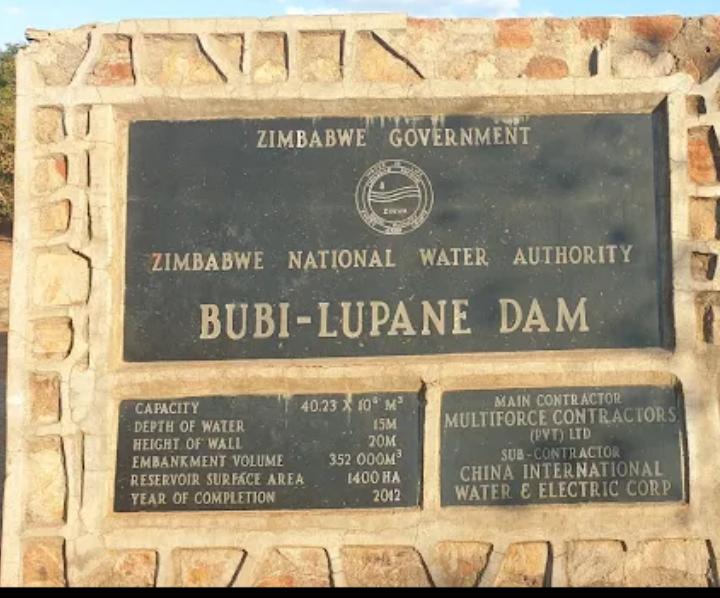
Residents of Mpofu Village in Gwamba ward, Lupane District, say they have been left without a reliable source of safe drinking water following the construction of the Bub-Lupane Dam.
Villagers told CITE that boreholes, which once supplied the community, were sunk in the area now covered by the dam and became unusable as the project progressed. With no alternative sources provided, families say they have been forced to draw untreated water directly from the dam for drinking, cooking and washing.
Gwamba ward councillor Thulani Mlotshwa said the situation had persisted despite repeated complaints to authorities.
“The challenge is that people in Mpofu Village have gone without water. All the boreholes were sunk in the dam area, and no other water source has been availed for the villagers. Now they drink and use unpurified water from the dam,” he said.
On this topic
He warned that relying on untreated water could expose residents, particularly children and elderly people, to waterborne diseases.
“This is affecting households every day. It is not something people should be left to manage on their own,” Mlotshwa said.
Another resident, Sindiso Nyoni, accused both central government and the Kusile Rural District Council of neglecting the village.
“We have been neglected since the construction of the dam. The government and local authority know that all our boreholes were submerged into the dam,” he said.
Olie Moyo, also from Mpofu Village, said she believed the current crisis could be linked to relocation and compensation arrangements made during preparations for the dam project.
Some families were moved and compensated to pave the way for construction, which led to the establishment of an irrigation scheme. But Ms Moyo said domestic water provision appeared to have been overlooked.
“I suspect that the non-provision of a water source may be the result of previous relocation compensation that was given to villagers to pave the way for the construction of the dam that led to the establishment of an irrigation scheme,” she said.
She added that while the irrigation scheme may benefit livelihoods in the wider area, household water security should have been prioritised once the original boreholes were affected.
In the absence of alternative supplies, residents say they collect water daily from the dam, with limited means to treat or test it. Health experts warn that untreated surface water can carry pathogens that cause diarrhoea and other illnesses, particularly in communities with limited sanitation infrastructure.
“If there is a dam, there must be safe water for people. People cannot survive on unsafe water alone,” Ms Moyo said.
Mlotshwa said the council was pushing for urgent intervention, including the sinking of new boreholes outside the dam area and the provision of temporary water treatment measures.
“We need responsible parties to come and fix this urgently. People must not be left drinking unpurified water from a dam simply because boreholes were affected by the project,” he said.
Residents say they are seeking practical solutions, including properly located boreholes and reliable distribution points, as the village continues to grapple with the consequences of the dam’s construction.






Leave a Reply