
The rehabilitation of land degraded by illegal and irresponsible mining in Matabeleland South at the supply dams’ catchment areas will require significant financial and technical resources, Bulawayo city mayor has stated.
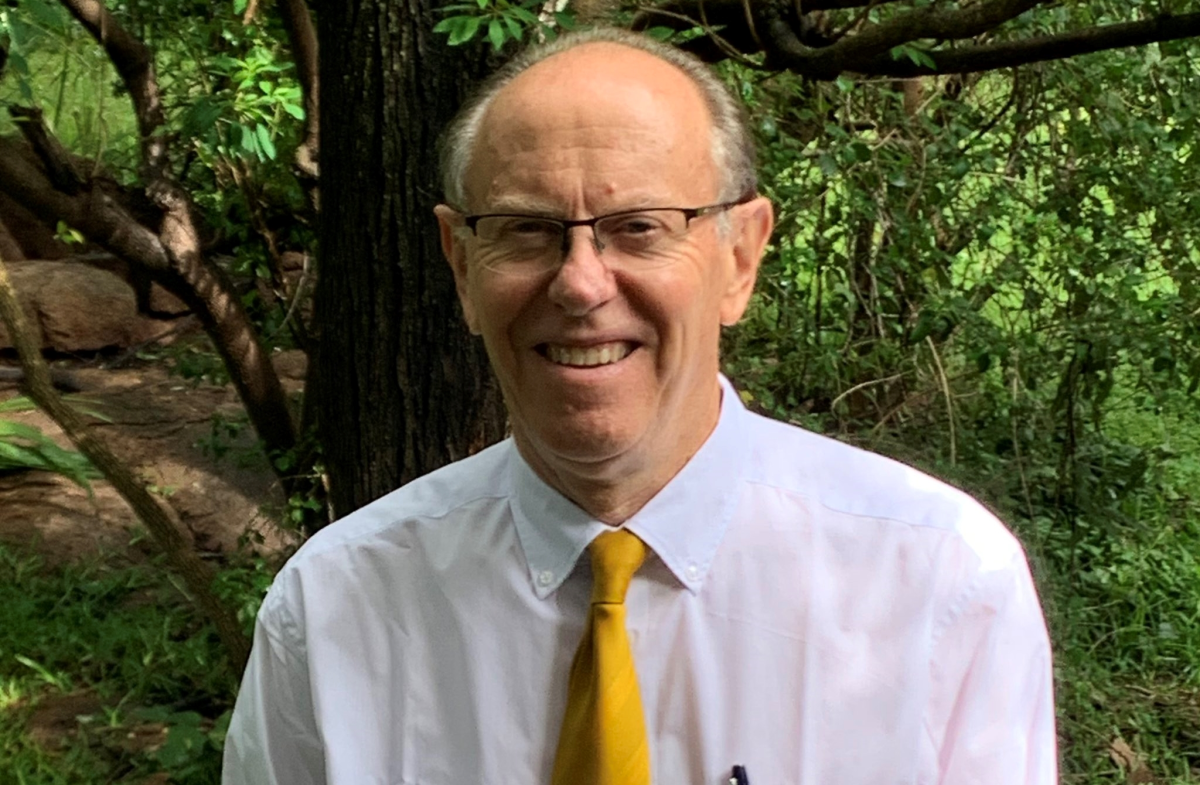
Speaking during a press conference hosted by the Ministry of Local Government and Public Works at Bulawayo City Council chambers recently, Bulawayo Mayor, Cllr David Coltart warned that restoring damaged ecosystems would be a long-term and costly process.
The meeting was convened urgently after Cllr Coltart wrote to the minister highlighting the environmental crisis threatening the city’s water supply and surrounding rural communities.
Large portions of land in Umzingwane, Insiza and parts of Bulawayo had been extensively degraded by both small-scale and large-scale mining operations, leaving behind destroyed river systems, damaged mountains and polluted water sources.
On this topic
“There is now a massive problem to rehabilitate where these mining companies have left. It is not going to be done in one season. It is going to take a long time to completely rehabilitate these river systems, even if the mining stops now,” Cllr Coltart said.
Member of Parliament for Umzingwane, and Deputy Minister for Defense Forces, Brigadier-General Levy Mayihlome (Retired), noted that there are recorded cases where companies contracted to rehabilitate rivers instead engaged in further mining, worsening the damage.
“We once had a case where we tried to contact a company to rehabilitate the degraded areas, but instead of doing the work they were tasked, they began mining the same minerals, causing further damage,” he said.
“The company that has been contracted fled after their operations were uncovered. They went and started doing something similar again in Masvingo. Their machinery is still being held by the police to date. These are some of the challenges that we are already facing in terms of rehabilitation.”
Local Government and Public Works Minister, Daniel Garwe, noted that while legislation requires miners to restore land after operations, many have failed to comply, leaving the burden on government and communities.
Minister Garwe said the environmental damage is affecting livelihoods, particularly in rural areas where communities depend on land for grazing, farming and water.
“We have sacred and cultural places that have been destroyed or decimated completely. The ecosystem is under threat, and future generations may never know what once existed in these areas,” he said.
“We need a coordinated approach, involving multiple ministries to mobilise resources for rehabilitation, including expertise in environmental restoration and water management.
“Right now it would be too early to provide timelines or cost estimates of how much exactly would be needed to rehabilitate the land, but we shall start by enforcing responsible mining practices to prevent further damage.”





Leave a Reply