
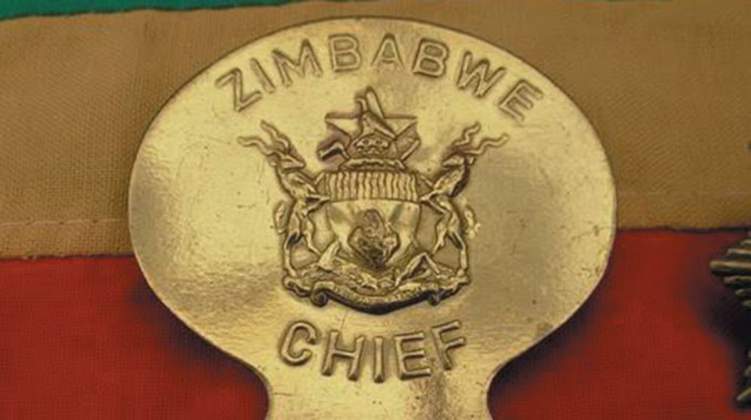
A Lupane-based community organisation, the Rural Communities Empowerment Trust (RUCET), has strongly opposed a clause in the Constitution of Zimbabwe Amendment Bill (No. 3) that seeks to restore political rights to traditional leaders, warning that the move could undermine community unity and democratic principles.
The proposed amendment would allow traditional leaders to exercise civic and political rights like any other citizen, although their conduct would be regulated by an enabling Act of Parliament outlining how those rights should be exercised.
Gazetted in February, the Bill is now open to a 90-day public consultation period before it is presented in Parliament for debate.
Clause 21 of the Bill proposes the repeal of Section 281(2) of the current Constitution, which restricts traditional leaders from participating in partisan politics.
The clause states:
“This clause repeals Section 281(2). It violates the political rights of traditional leaders. Their code of conduct shall be provided in an Act of Parliament.”
On this topic
Section 281(2), which is set to be repealed, currently bars traditional leaders from engaging in political activities. It states that they must not be members of political parties, act in a partisan manner, further political interests, or violate the fundamental rights and freedoms of any person.
RUCET, however, argues that removing these restrictions would compromise the neutrality and integrity of traditional leadership.
“It will overshadow the traditional roles and significance of traditional leaders and further undermine their neutrality,” said RUCET coordinator Vumani Ndlovu.
“This clause must be rejected because of its potential to undermine community cohesion, development, and stability.”
Ndlovu also questioned the motives behind the proposed amendment.
“We need to interrogate the interests driving this move to politicise traditional leadership. The answer is simple it is about consolidating power and weakening democracy, as well as the people’s freedom of choice and belonging,” he said.
He added that RUCET is concerned that the clause is not receiving adequate public attention.
“It is being overshadowed by debates around presidential term limits and proposals to empower Parliament to elect the president. Yet this is a critical issue that directly affects rural communities, where governance is first experienced at the local level,” Ndlovu said.








Leave a Reply