
By Nokuthaba Dlamini
A deepening crisis of illegal snaring is threatening wildlife in Hwange National Park, as thousands of wire traps set for bushmeat continue to maim and kill endangered species.
But a new report by Painted Dog Conservation (PDC) says intensive, science-driven field operations are beginning to turn the tide for the African wild dog, one of the continent’s most threatened predators.
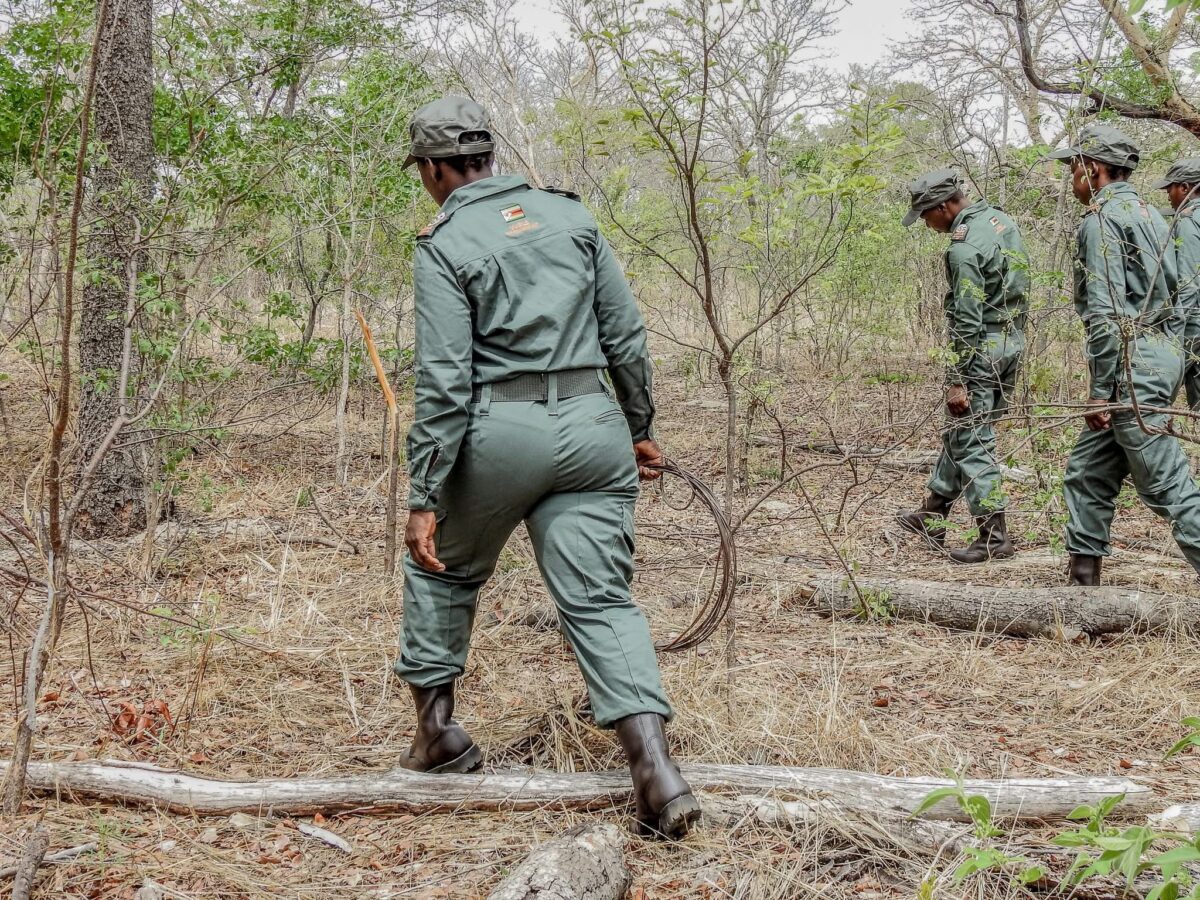
The report documents a sharp escalation in poaching pressure over the past year, with more than 3 500 wire snares removed around a single den site belonging to the Umkhonto Pack. The traps, typically fashioned from fencing wire, are designed to catch antelope and other animals for bushmeat but frequently ensnare non-target species, including apex predators.
On this topic
PDC describes the protection of the Umkhonto Pack as one of its most significant conservation successes of 2025.
In its assessment, the organisation says more than 3 500 snares were cleared from the area surrounding the pack’s den. Eleven suspected poachers were arrested, including one offender who received two consecutive nine-year prison sentences.
Eight pups were successfully raised without mortality during the denning period. The pack grew to a peak of 29 individuals before natural dispersal reduced its number to 19 by year-end. It now ranges largely within the relative safety of Hwange National Park, though at times moves beyond its boundaries.
PDC says the intervention demonstrates how research, tracking technology and coordinated anti-poaching patrols can produce measurable conservation outcomes.
However, the scale of snaring around a single site highlights what the report calls “intense poaching pressure” across the wider ecosystem.
Other packs operating in and around the park include the Kingsbury, Emerald and Batsha packs, as well as the Chowato, Linkwasha, Cave, Intundla, Khumbula and Garikamwe groups.
Local leaders say the rise in snaring reflects deepening economic hardship in communities bordering the park.
Thabani Ndlovu, a village elder living near the boundary, argues that enforcement alone will not solve the problem.
“The snares are made of fence wire because people have no fences for their own gardens and no food for their pots,” he said. “To solve this, we must move beyond just arresting our way out of the problem. We need sustainable livelihoods. If the community sees that a live dog brings more value through tourism than a dead buck brings in meat, the wire will stop being laid.”
Veteran scout Sipho Moyo, who has spent decades patrolling the Hwange bush, believes technology must play a greater role.
“We are pulling thousands of snares, but we are often finding them after they have already done their damage,” he said.
“We need to expand real-time tracking of major packs and use drones to detect poacher camps before the snares are set. We must stay ahead of the killers.”
In Victoria Falls, conservation educator Dr Elena Sibanda says long-term success will depend on changing attitudes among the next generation.
“The report mentions encroachment as a driver. This is also a space issue,” she said. “We need mandatory conservation education in local schools. We want the children of poachers to become the rangers of tomorrow. When communities feel ownership over packs like Umkhonto or Emerald, social pressure can be more powerful than prison sentences.”
According to PDC data, the broader painted dog population in the Hwange landscape is currently stable. The Emerald pack has reached 22 individuals, while the Batsha pack stands at 20.
Yet conservationists warn that stability remains fragile.
Support CITE’s fearless, independent journalism. Your donation helps us amplify community voices, fight misinformation, and hold power to account. Help keep the truth alive. Donate today







Leave a Reply