

The conclusion of nationwide public hearings on the Constitutional Amendment (No. 3) Bill has been overshadowed by growing concern over the lack of accountability for violent disruptions, with commentators noting neither Parliament nor police acknowledged the incidents or outlined steps to hold perpetrators responsible.
The four-day hearings, held from March 30 to April 2, 2026 were designed to give citizens an opportunity to contribute to proposed constitutional changes.
However, they were marred by chaotic scenes and reports of violence in several parts of the country, particularly in Harare, leaving the political environment tense and raising questions about the integrity of the consultative process.
Despite this, Parliament has maintained a focus on procedural continuity rather than addressing the disturbances.
On this topic
In a public notice, Parliament thanked citizens who participated and encouraged further submissions.
“Parliament wishes to thank members of the public who participated in the public hearings held across the country during the period 30th March to 4th April 2026, and those who have been sending their submissions directly to Parliament,” read the notice.
Parliament added that submissions could still be submitted at the Old Parliament Building or its Mount Hampden offices, or sent via email, with a deadline of May 17, 2026.
Notably absent from Parliament’s statement was any reference to the violence or disruptions that characterised parts of the outreach exercise, where citizens against the amendment bill were subjected to harassment by alleged Zanu PF thugs.
The Election Resource Centre Africa (ERC) said the failure by authorities to address the incidents risks undermining public confidence in the process.
“Overall, the political environment on Day 3 remained tense following scenes of violence witnessed during the public hearing in Harare,” the ERC said in its observations.
“The ERC noted that neither Parliament nor the Zimbabwe Republic Police acknowledged the incidents, and it continues to await credible steps to hold perpetrators accountable. This environment risks creating a chilling effect on free expression and public participation.”
ERC Africa is a think tank and advocacy organisation on electoral issues in Africa. The organisation was formed following the need to deepen electoral research work that would inform effective citizen participation, strengthen policy engagement towards the improvement of the quality of electoral and democratic practices.
The organisation also reported alleged efforts to limit participation at some venues, including the West Nicholson hearing in Gwanda District.
Beyond the violence, the ERC highlighted a range of structural and procedural shortcomings that it said hindered meaningful public engagement.
“A persistent trend of restrictive practices at various venues has been observed, which may inadvertently impede the atmosphere of open and robust debate essential for constitutional deliberations,” the organisation noted.
It said venue capacities were often too small to accommodate high public interest, limiting the number of participants able to make submissions and undermining the goal of broad-based consultation.
Concerns were also raised over inconsistent management of proceedings.
“The ERC noted varying approaches to managing participant contributions across different regions. The adoption of a uniform, transparent protocol for selecting speakers would mitigate concerns regarding partiality and ensure that the process is and is perceived to be equitable,” the organisation said.
In some areas, the presence of security personnel was viewed as intimidating.
“Reports from locations such as West Nicholson in Gwanda, Maringire Primary School in Chivi and Chidzikwe Primary School in Masvingo suggest that the presence of security elements was perceived by some as a barrier to engagement,” the ERC said, adding that clearer communication of their roles was needed to maintain a conducive environment.
The group also pointed to limitations on freedom of expression, noting large crowds and time constraints meant only a few individuals could present oral submissions.
“The absence of a visible and standardised framework for selecting contributors from the floor has created a risk of perceived selective participation,” ERC said.
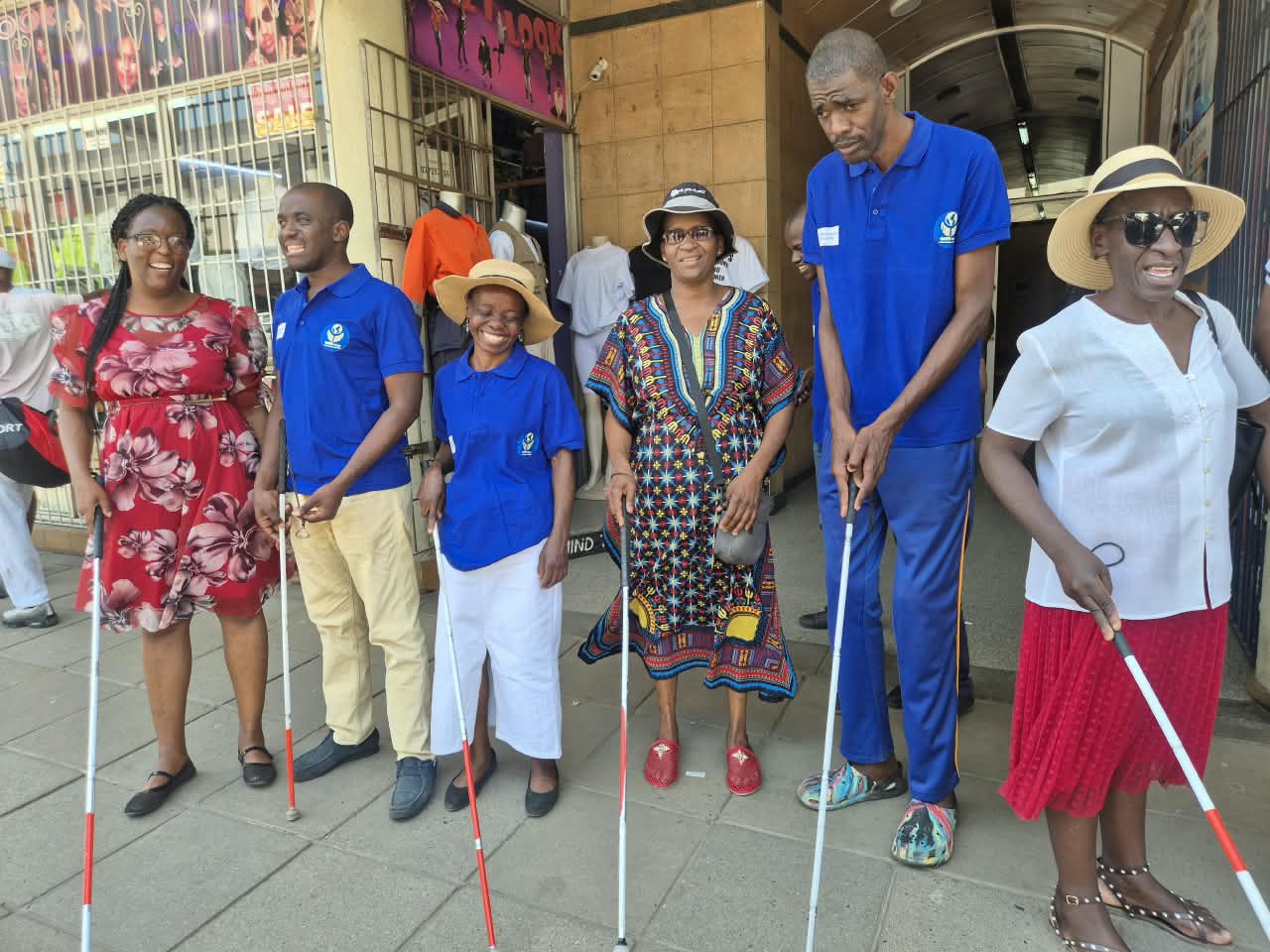
Accessibility challenges further added to the situation, as ERC said several venues, including those in Binga, Chimanimani, Gutu, and Matobo, were reportedly not accessible to persons with disabilities, while others such as Cutu, West Nicholson, Chidzikwe Primary School, and Ringo Community Hall struggled with inadequate space.
The ERC warned these issues suggest the consultative framework is falling short of constitutional benchmarks for inclusive and meaningful public participation.
“The ERC reaffirms its commitment to the ongoing monitoring of these public hearings in a non-partisan manner and calls upon the Zimbabwe Republic Police and Parliament to investigate the documented incidents of violence and intimidation,” it said.
Political analyst, Mxolisi Ncube, said as much as the submission window for the Bill remains open, the absence of official acknowledgement of the disturbances and lack of visible accountability measures have dented the parliamentary process.
“The process was meant to reflect the will of the people but will all the disturbances that we saw play out, we wonder whether the result of the hearings and submissions will match the mood of general citizens,” he said.







Leave a Reply