
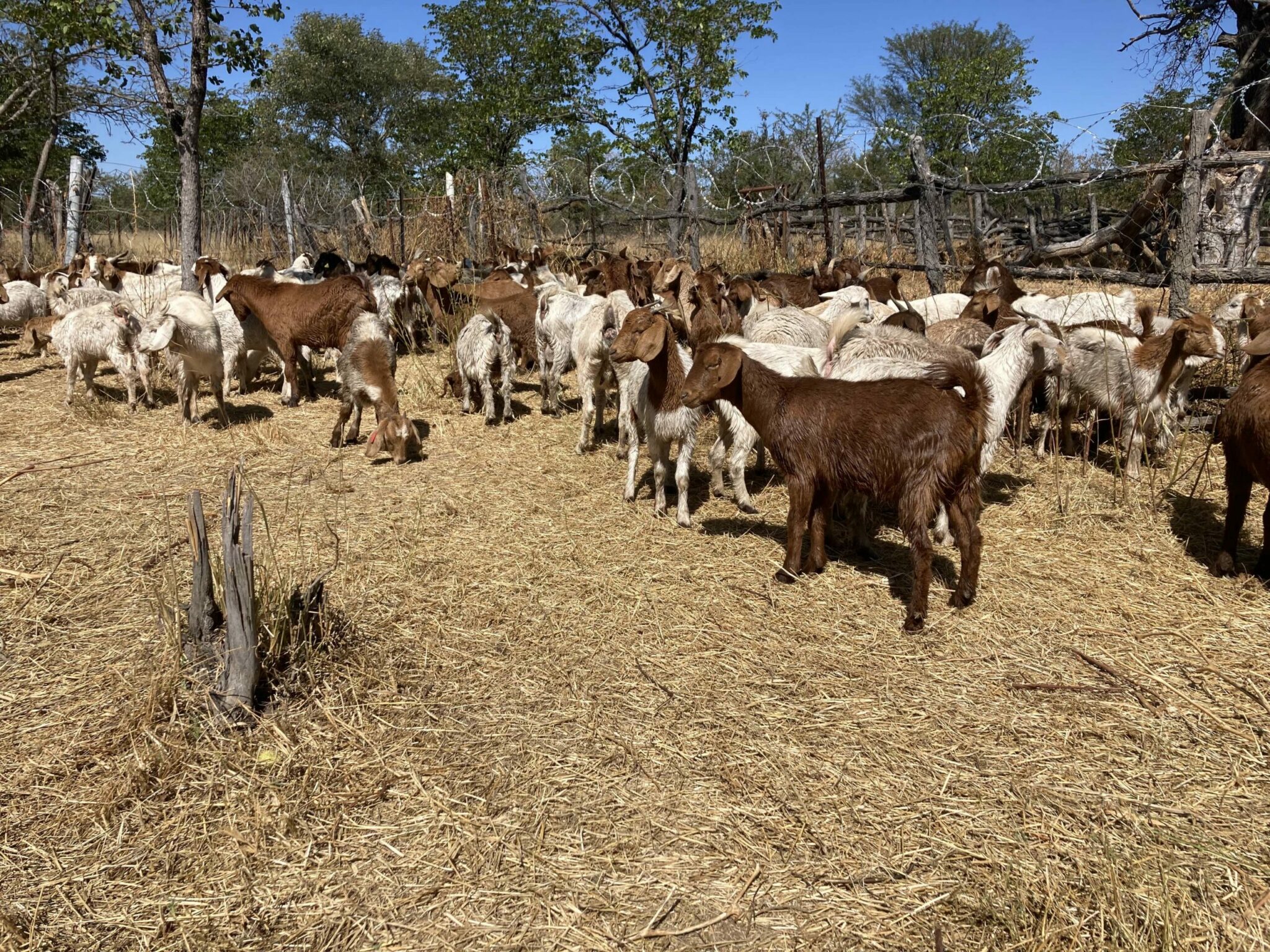
Farmers must prioritise livestock nutrition as climate change drives increasingly erratic rainfall, with experts warning that poor feeding practices are undermining productivity and threatening food security.
The warning was issued at a livestock conference held at the Zimbabwe International Exhibition Centre on Thursday, where stakeholders discussed feed security, sustainable nutrition and climate resilience under the theme Advancing Livestock Value Chains for Economic Development.
Experts said inadequate nutrition is contributing to a range of problems, including low fertility, abortions and poor meat quality.
Ntandoyenkosi Ndhlovu, the chairperson of the Goat Breeders Association of Zimbabwe, said nutrition remained one of the most overlooked factors in livestock production.
On this topic
“The quality of meat is determined by what you feed your animals,” he said. “Farmers need to understand feeding throughout the year, from January to December.”
He added that some farmers misinterpret poor animal performance, when in fact it is linked to feeding practices.
“Sometimes people think their animals have been bewitched, but it is because they have not understood the importance of nutrition,” he said.
Despite good rains in parts of the country this season, Mr Ndhlovu warned against complacency, urging farmers to prepare for the dry months ahead.
“You may have good heifers, but if you are not supplementing them during the dry season, you will face problems later,” he said. “When August to October comes, many farmers begin to struggle.”
He said farmers should use available technology, including mobile weather forecasts, to plan ahead and invest in fodder production.
“With current technology, you can access six-month rainfall forecasts on your phone. This is the time to plant fodder in preparation for the dry season,” he said.
Water management was also highlighted as a key factor in maintaining livestock nutrition. Mr Ndhlovu called on farmers to work with institutions such as the District Development Fund to address siltation in dams.
“When dams dry early due to siltation, it affects water quality, and that in turn affects nutrition, fertility and meat quality,” he said.
In drier regions such as Matabeleland, experts encouraged farmers to shift away from water-intensive crops like maize and focus on drought-resistant fodder.
Mr Ndhlovu said collaboration with research institutions such as the Matopo Research Institute could help identify suitable grass species for livestock feed.
“Some grasses are indigenous and can grow well with little rainfall, but farmers are not taking advantage of that,” he said.
Experts warned that failure to prioritise nutrition can result in long-term losses, including animals failing to reproduce.
“You can keep a heifer for more than four years without it producing,” Mr Ndhlovu said. “In many cases, the problem is nutrition.”
Stakeholders at the conference said improving feeding practices, alongside better water management and planning, would be essential to building a more resilient livestock sector in the face of climate change.
Support CITE’s fearless, independent journalism. Your donation helps us amplify community voices, fight misinformation, and hold power to account. Help keep the truth alive. Donate today





Leave a Reply