
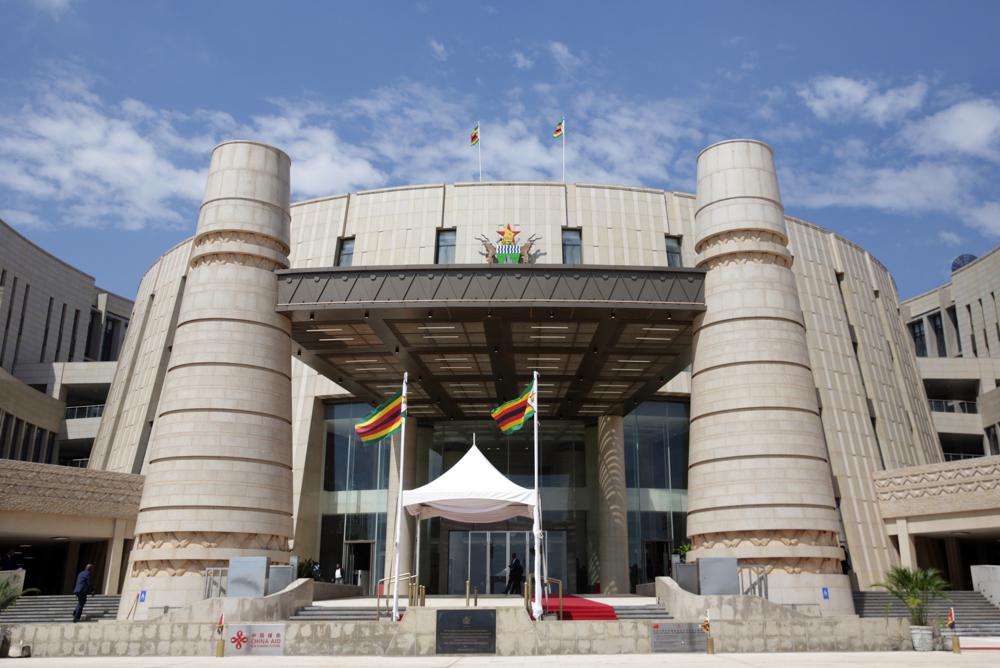
The Parliament of Zimbabwe has set aside only four days for public hearings on the proposed Constitutional Amendment (No. 3) Bill of 2026, sparking widespread criticism from political observers and opposition figures who argue the timeline undermines meaningful public participation yet is a process that could significantly reshape the country’s constitutional order.
According to notices from Parliament, the hearings are scheduled to take place between March 30 and April 2, 2026, a period seen as “too short” to adequately consult Zimbabwe’s population on a bill that proposes governance changes, including altering how the president is elected and extending the presidential term from five to seven years.
“Changes affecting the presidential election and term length are what most Zimbabweans are concerned about, making the legitimacy of the consultation process particularly important because it points to the future direction of the country,” said Dr Khanyile Mlotshwa, a critical studies scholar.
For many analysts, the “hurried” timeframe raises deeper questions about the sincerity of the consultation process.
On this topic
“Meaningful constitutional consultation typically requires extensive outreach, public education, and sufficient time for communities to understand the implications of proposed changes, something difficult to achieve within a four day consultation period,” Dr Mlotshwa said.
Zimbabwe’s Constitution places strong emphasis on public participation in law-making, particularly on matters involving constitutional change.
However, the current schedule compresses this process into less than a week, unlike earlier constitutional processes in Zimbabwe.
The 2013 Constitution of Zimbabwe was adopted following an extensive national process led by the Constitutional Parliamentary Committee (COPAC).
In its Final Narrative Report to Parliament (7 February 2013), COPAC noted the outreach programme ran for 95 days between June and October 2010, during which 4 943 meetings were held across 1 960 wards, reaching more than 1.1 million participants.
Earlier still, consultations around the proposed constitution in 2000 also involved public meetings in numerous communities across Zimbabwe, allowing broader participation. Although that process was itself politically contested, it nevertheless unfolded over several months of engagement rather than a matter of days.
Looking at the limited consultation window for this current Constitutional Amendment Bill, analysts said it was just symbolic rather than a genuine attempt to gather nationwide views.
Political commentator, Mxolisi Ncube, said the timing and structure of the hearings suggest the outcome may already be predetermined.
“It’s a clear indication that Zanu PF’s intention is to fast-track the amendments without any due consideration for the people’s views,” said Ncube.
“Everything points to a predetermined outcome of ‘the people of Zimbabwe have agreed with the proposed amendments’ kind of result.”
Ncube further argued developments surrounding the bill have taken place in a broader environment where dissenting voices are increasingly constrained.
“That is why they are blocking those against the bill from holding consultative meetings by torturing and threatening opposition leaders, while arresting MPs holding consultative meetings in their constituencies,” he said.
“This vindicates those who have accused the ruling party of intending to rape and mutilate the supreme law of the country, it’s exactly what they are doing.”
General Secretary of the Zimbabwe Communist Party, Nicholas Ngqabutho Mabhena, said the content of the bill was worrying and more worrying was the manner in which it was introduced.
“We are opposed to the 2030 agenda and these amendments. We will not dignify the parliamentary process. Zanu PF has blocked everyone from engaging the public to discuss their resolution one, which is now part of the constitution amendment. What Zanu PF is doing is illegal,” he said.
“If Zimbabweans want the constitution to be amended, political parties and civic society must be allowed to engage the public on their own terms, not through a controlled parliamentary process.”
A youth activist, Benon Ncube, said every constituency must be heard, where every MP holds public hearings in their own constituencies.
“That way, you will capture every Zimbabwean’s input, that is, if you are intending to consider their input at all. The MPs should have also suggested this,” he said.
Logistics surrounding the hearings have also drawn scrutiny, with observers saying the limited geographic spread of the venues and short notice effectively exclude many citizens, particularly in rural areas where transport costs and long travel distances remain significant barriers.
For example, Parliament initially designated only one venue for the hearing in Bulawayo, City Hall at 10am on March 30, 2026.
Bulawayo Mayor, David Coltart criticised the arrangement, noting the city has about 700 000 people, many of whom would be unable to converge at a single venue, particularly given the limited timing of the meeting.
Parliament later issued an addendum to the schedule of public hearings for the Constitutional Amendment Bill No. 3, announcing a second venue, Nketa Hall at 2pm on the same day.
However, Coltart said the move remained inadequate.
“I see Parliament appears to have responded to my complaint made this morning that the City of Bulawayo had only been allocated one hearing, they have now allocated a further meeting in Nketa, but this is still unacceptable. At the very least, there should be a meeting in each of the parliamentary constituencies in Bulawayo. Anything less will be farcical,” he said on his X page.
Another commentator Tatenda Hungwe also questioned the adequacy of the consultation process, asking whether the timeline allows for meaningful participation.
“Do you honestly believe four days are enough for meaningful public participation for a country of 17 million? Zimbabwe has 1 958 wards, yet Parliament is offering roughly 63 consultation venues nationwide,” he said.
“This cannot be called participatory democracy. It resembles a consultation receipt printed after the decision has already been made.”
Hungwe added that compressing such a critical national debate into four days undermines the spirit of public participation.
“The Constitution belongs to the people of Zimbabwe and any attempt to alter it must reflect their full, meaningful and informed participation.”
Citizens can also send their submissions on the bill by email to the Clerk of Parliament at clerk@parlzim.gov.zw or delivered physically to Parliament Building in Mt Hampden, Harare, by 15 May 2026.
Support CITE’s fearless, independent journalism. Your donation helps us amplify community voices, fight misinformation, and hold power to account. Help keep the truth alive. Donate today







Leave a Reply