

Local Government Minister Daniel Garwe has issued a strong warning to village heads and councillors over the growing illegal sale of communal land and encroachment onto wetlands.
Garwe said some local leaders were bypassing official systems to allocate land for profit, a practice he said was undermining traditional land governance and threatening the environment.
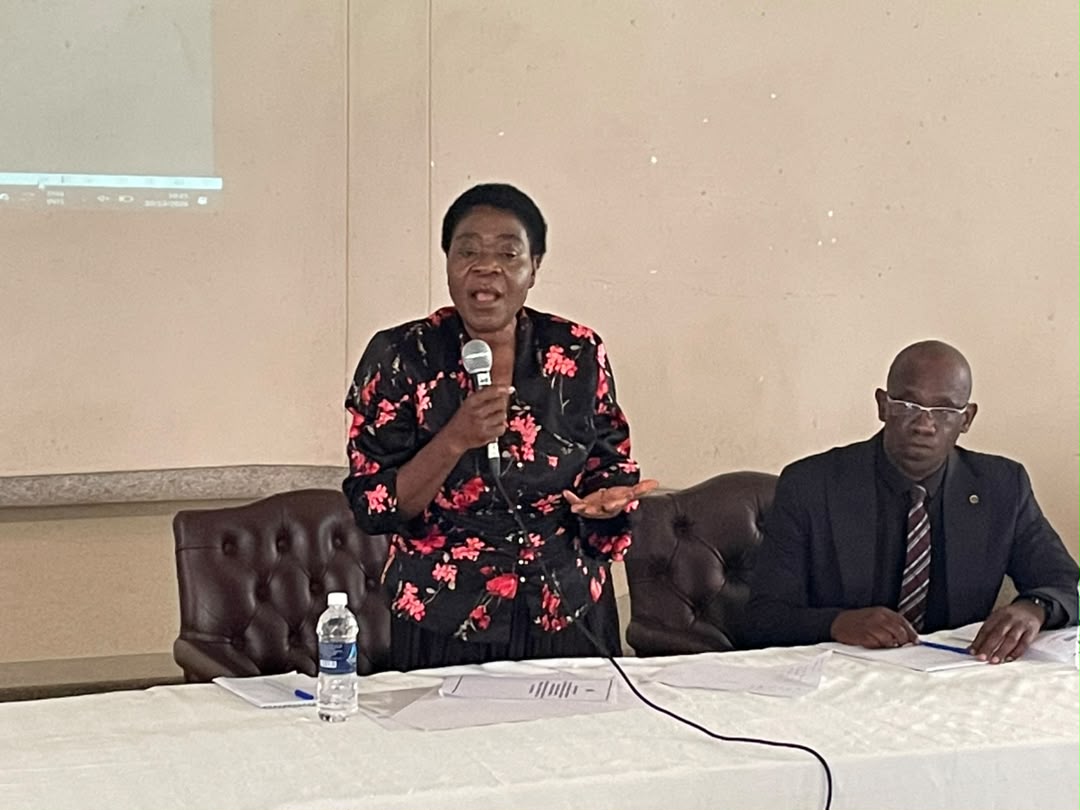
Speaking during a commissioning of equipment at Insiza Rural District Council, Garwe said communal land was meant to be administered jointly by government ministries and traditional leaders, not sold privately.
“The communal land is administered by the Ministry of Local Government and Public Works together with the Ministry of Lands and Agriculture,” he said.
On this topic
“These lands fall under the management of our traditional leaders, the chiefs. That is why we say our chiefs are the owners of our land, but there are village heads who are busy parceling out and selling the land illegally.”
Communal land in Zimbabwe is traditionally allocated through customary systems overseen by chiefs and village heads, but authorities say illegal land sales have been increasing in some rural areas.
Garwe urged traditional leaders to enforce discipline within their structures and ensure cultural practices around land allocation are respected.
“Traditional leaders, please take leadership in ensuring that there is due diligence in respecting our cultures,” he said.
The minister also lamented the decline of traditional inheritance practices that once guided land distribution in rural communities.
He said in the past, young men were allocated land when they reached adulthood through a process involving their families and local leadership.
“What we used to do is when you are grown up, your father would take you to a village head and say: ‘I am now offloading my son to become a man of his own. Can you please allocate him a piece of land?’ That has since disappeared,” he said.
Authorities say the growing commercialisation of communal land has also led to people purchasing plots in environmentally sensitive areas, including wetlands that play a critical role in water conservation.
Garwe warned that continued environmental destruction, including the cutting down of indigenous forests, could have long-term consequences.
“Twenty years from today there will be no indigenous trees to talk about because you would have cut them for whatever reasons,” he cautioned.
He called on chiefs to engage their village heads and ensure they stop selling communal land illegally.
Support CITE’s fearless, independent journalism. Your donation helps us amplify community voices, fight misinformation, and hold power to account. Help keep the truth alive. Donate today





Leave a Reply