

The Zimbabwean government has gazetted a new law removing sections of communal land in Hwange District, a move that could pave the way for future development in the area.
The measure, contained in Statutory Instrument 46 of 2026, was issued under Section 6(1)(b) of the Communal Land Act and states that specific areas outlined in the schedule will no longer form part of Hwange communal land.
The notice covers land around Sizinda and Chisuma along the Zambezi River, as well as another section near the Mpongola River within the Hwange Rural District Council area.
According to the statutory instrument, the Sizinda–Chisuma boundary begins at a culvert near Sizinda shops and stretches northwards for about 1.56km to a point where a stream crosses the fence of Victoria Falls National Park.
On this topic
The boundary then runs eastwards along the park fence for about 2.77km before turning north towards the Zambezi River gorge. From there it continues along the gorge for roughly 18km before turning south and connecting with local roads, eventually returning westwards to Sizinda shops.
A second area covered by the law begins at the Mpongola River bridge along the Bulawayo–Victoria Falls Highway and runs east for about 4.6km before turning northeast towards the tip of Mampamba Mountain.
From there, the boundary follows mountain ridges to a trigonometrical station before turning southwest towards the confluence of the Mpongola and Lukosi rivers and finally tracing the Mpongola River back to the starting point.
The statutory instrument states that the land described in the schedule “shall cease to be part of Hwange communal land”.
Authorities have not yet publicly outlined the specific developments planned for the excised land, but such measures are often used to change the legal status of communal land to allow for infrastructure, tourism or urban expansion projects.
Community representatives say residents must be fully consulted as the process unfolds.
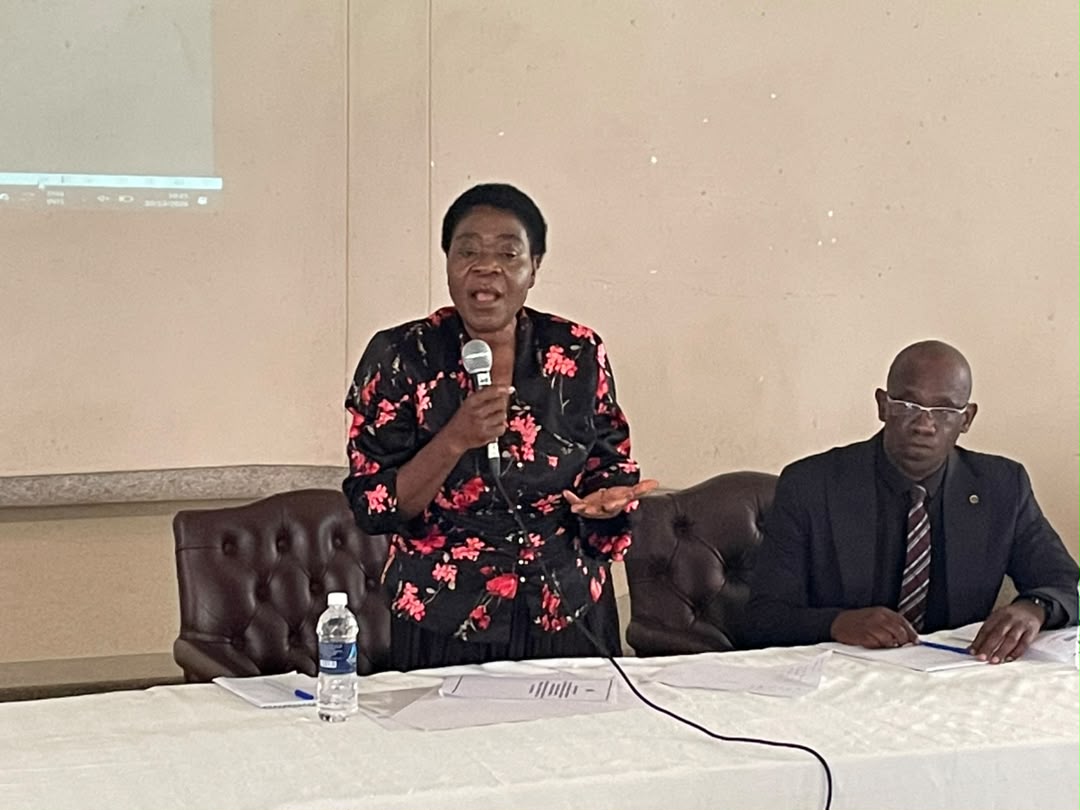
Hwange District Residents Association chairman Herbert Ncube said development in the area could be positive but warned that communities should not be sidelined.
“It’s a good move if government wants to modernise the area into a peri-urban centre or a town,” he told CITE. “But above all the communities have to be looked after.”
Ncube said authorities should avoid repeating past relocations that displaced families from fertile areas such as Sinamathela and Bumbusi.
“We don’t want to repeat what happened before where people were moved from fertile lands,” he said.
He added that parts of the Chisuma area already show signs of growth, with businesses, lodges and small-scale farming operations operating in the community.
However, he said proper compensation and engagement with residents would be essential to avoid tensions.
“This has to be done in a realistic manner so that we don’t have clashes with communities,” Ncube said.
He also called on the government and local authorities to clearly explain the plans to residents so they understand the purpose of the land changes and how they may be affected.
Support CITE’s fearless, independent journalism. Your donation helps us amplify community voices, fight misinformation, and hold power to account. Help keep the truth alive. Donate today





Leave a Reply