
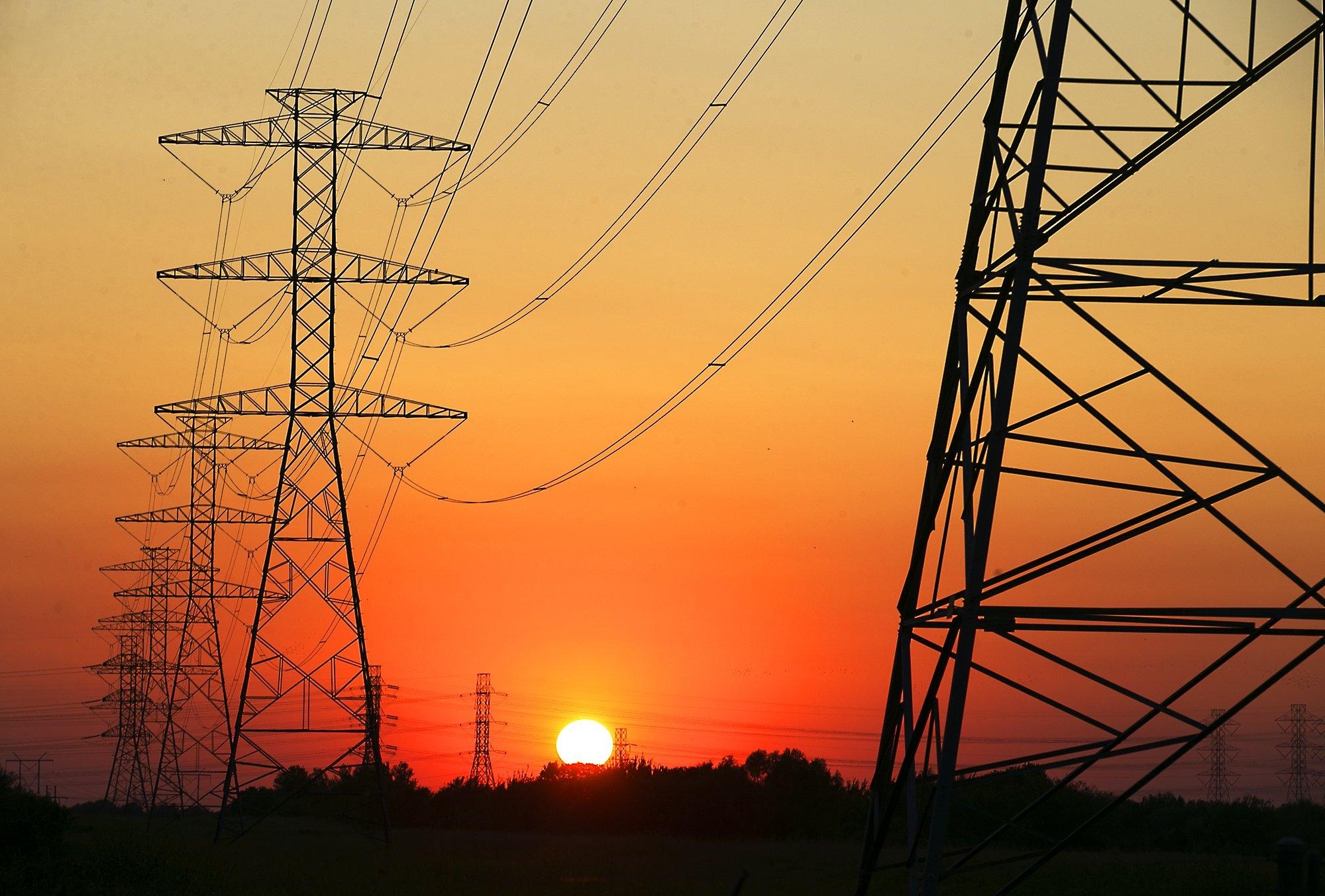
Lawmakers have warned that Zimbabwe’s surge in power line and infrastructure vandalism is no longer random, but increasingly orchestrated by organised networks that exploit insider knowledge and illegal markets.
Speaking during a debate on the state of national infrastructure, Senator Kudakwashe Matibiri said the problem extends beyond poverty, reflecting a culture of irresponsibility and collusion that threatens the country’s long-term development goals.
“It is common that a lot of our infrastructure has been vandalized—railways, power lines, water systems, communication networks. This culture of community irresponsibility to national assets, if not addressed, will negatively impact the country’s goals, especially its desire to attain an upper middle-income society by 2030,” he said.
Zimbabwe aims to achieve upper middle-income status under the National Development Strategy, building on gains from previous frameworks. Matibiri warned that without deliberate preservation of existing infrastructure, these ambitions could be undermined.
On this topic
“No society can develop meaningfully without addressing issues of infrastructure development and preservation,” he added, lamenting that citizens increasingly view national infrastructure as detached from their responsibilities.
Matibiri described vandalism as largely driven by criminal and personal interests, often facilitated by weak security measures and, in some cases, insider collusion.
“People who steal power lines have a market for these cables, and it can only be done by someone who understands the industry,” he said. “Outdated infrastructure and lack of maintenance make it easier for vandals to exploit discrepancies. Economic hardships also create an environment where infrastructure becomes an easy target.”
The senator also highlighted that a lack of public awareness compounds the problem. “Most people do not understand the downstream consequences of vandalism. Destroying a railway line or a power line today has ripple effects on national development, yet awareness of this is minimal.”
To address the crisis, Matibiri called for infrastructure preservation to be integrated into the education system from an early age. “Students must be taught the value of preserving national infrastructure and how it underpins economic development,” he said.
He also urged stronger national campaigns and engagement with traditional leaders to foster community responsibility.
Reflecting on Zimbabwe’s liberation struggle, Matibiri recalled how infrastructure was once targeted for sabotage during the war but stressed that post-independence, the focus should shift to protection and development.
“It was necessary then, but post-liberation we should invest deliberately in ensuring this infrastructure, essential for our development, is preserved by all,” he said.
Matibiri’s comments underline growing concern among policymakers that unchecked infrastructure vandalism could derail national development and compromise the country’s ambitions to achieve upper middle-income status by 2030.
Support CITE’s fearless, independent journalism. Your donation helps us amplify community voices, fight misinformation, and hold power to account. Help keep the truth alive. Donate today





Leave a Reply