
Tobacco use, infections and alcohol consumption are among the leading preventable causes of cancer worldwide, according to a new report by the World Health Organisation (WHO) and its cancer research arm, the International Agency for Research on Cancer (IARC).
The study, released ahead of World Cancer Day on 4 February, examined 30 preventable cancer risk factors, including tobacco, alcohol, high body mass index, physical inactivity, air pollution and ultraviolet radiation. For the first time, it also assessed the impact of nine cancer-causing infections.
Researchers found that 37% of all new cancer cases recorded globally in 2022, about 7.1 million cases, were linked to preventable causes, underlining what WHO described as the “enormous potential” of prevention to reduce the global cancer burden.
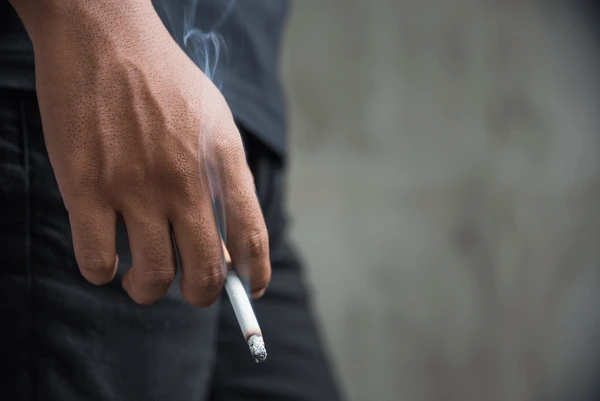
“Drawing on data from 185 countries and 36 cancer types, the study identifies tobacco as the leading preventable cause of cancer, globally responsible for 15% of all new cancer cases, followed by infections at 10% and alcohol consumption at 3%,” WHO said in a statement.
On this topic
The report noted that lung, stomach and cervical cancers accounted for nearly half of all preventable cancer cases among both men and women worldwide.
“Lung cancer was primarily linked to smoking and air pollution, stomach cancer was largely attributable to Helicobacter pylori infection, and cervical cancer was overwhelmingly caused by human papillomavirus (HPV),” WHO said.
WHO Team Lead for Cancer Control, Dr André Ilbawi, said the findings highlighted how much cancer risk could be reduced through targeted prevention.
“This is the first global analysis to show how much cancer risk comes from causes we can prevent. By examining patterns across countries and population groups, we can provide governments and individuals with more specific information to help prevent many cancer cases before they start,” he said.
In Zimbabwe, the findings resonate strongly. The country records more than 17,700 new cancer cases and nearly 12,000 cancer-related deaths each year, according to health authorities.
Experts attribute the high mortality rate largely to late diagnosis and limited access to adequate treatment facilities. Zimbabwe is reported to have one of the highest cancer burdens in Southern Africa, surpassing neighbouring countries such as South Africa, Namibia, Zambia and Botswana.
The report also highlighted marked gender differences in preventable cancer risk. About 45% of new cancer cases in men could be prevented, compared with 30% in women.
Among men, smoking remains the dominant risk factor, accounting for nearly a quarter of new cancer cases, followed by infections and alcohol use. For women, infections were the leading preventable cause, with smoking and high body mass index also contributing significantly to cancer risk.
WHO said the findings strengthen the case for stronger public health policies aimed at reducing tobacco and alcohol use, expanding vaccination and screening programmes, and promoting healthier lifestyles.
As countries mark World Cancer Day, the agency said prevention must remain at the centre of national cancer control strategies.
Support CITE’s fearless, independent journalism. Your donation helps us amplify community voices, fight misinformation, and hold power to account. Help keep the truth alive. Donate today





Leave a Reply