
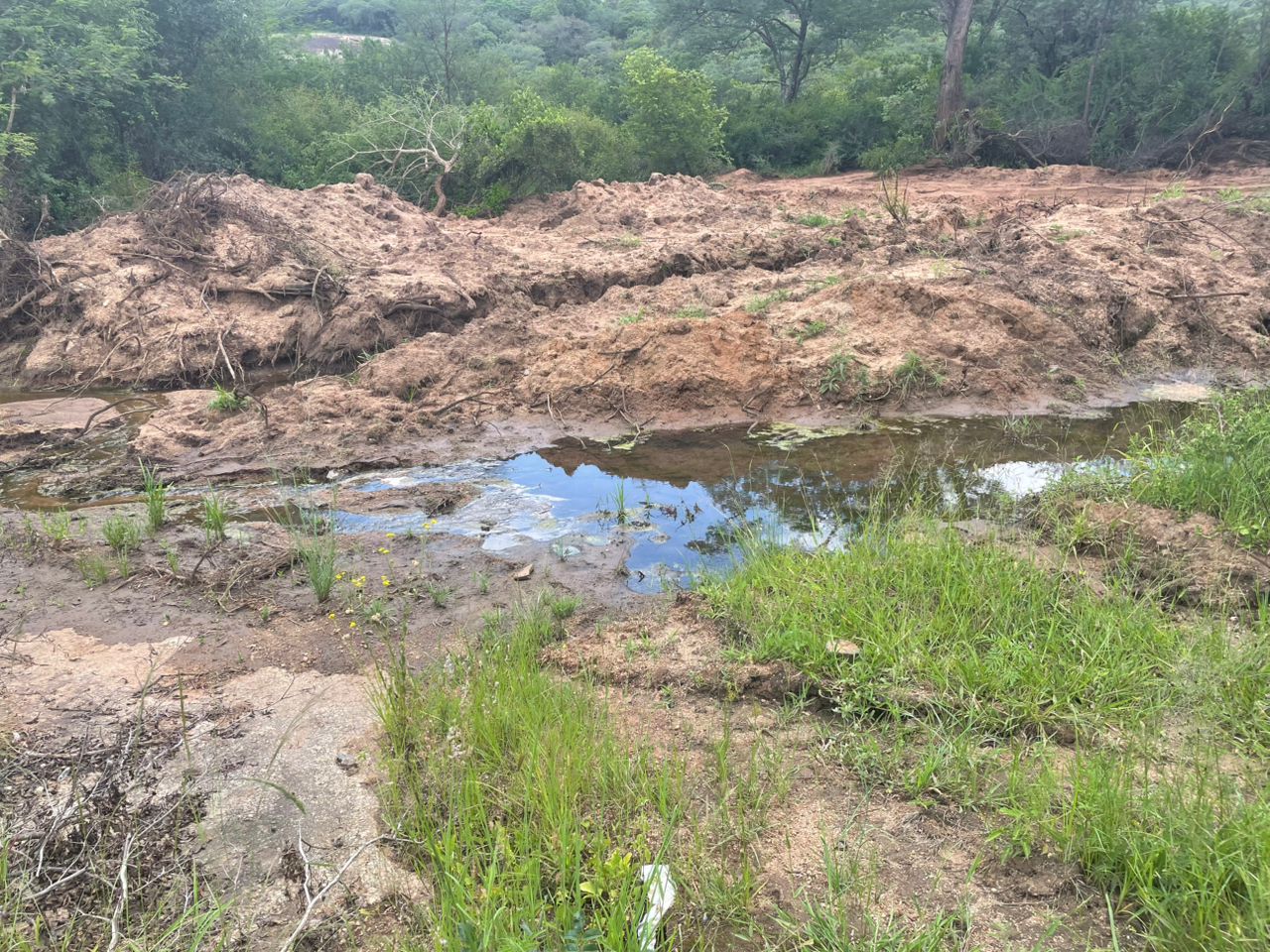
Bulawayo’s long-running water shortages have persisted despite a relatively strong 2025–26 rainy season, with city officials warning that minimal inflows into supply dams threaten water security for the country’s second-largest city.
Council authorities say the situation has been worsened by extensive mining activities in dam catchment areas in Matabeleland South, where most of Bulawayo’s water sources are located.
On Friday, councillors, engineers, media and other stakeholders joined a Bulawayo City Council (BCC) inspection tour of three of the city’s six supply dams, Upper Ncema, Inyankuni and Mzingwane.
The visit revealed widespread mining operations close to the reservoirs, including active sites using large water bowsers and storage tanks.
On this topic
Residents across Bulawayo continue to endure prolonged water shedding, with some suburbs going up to four days without supply.
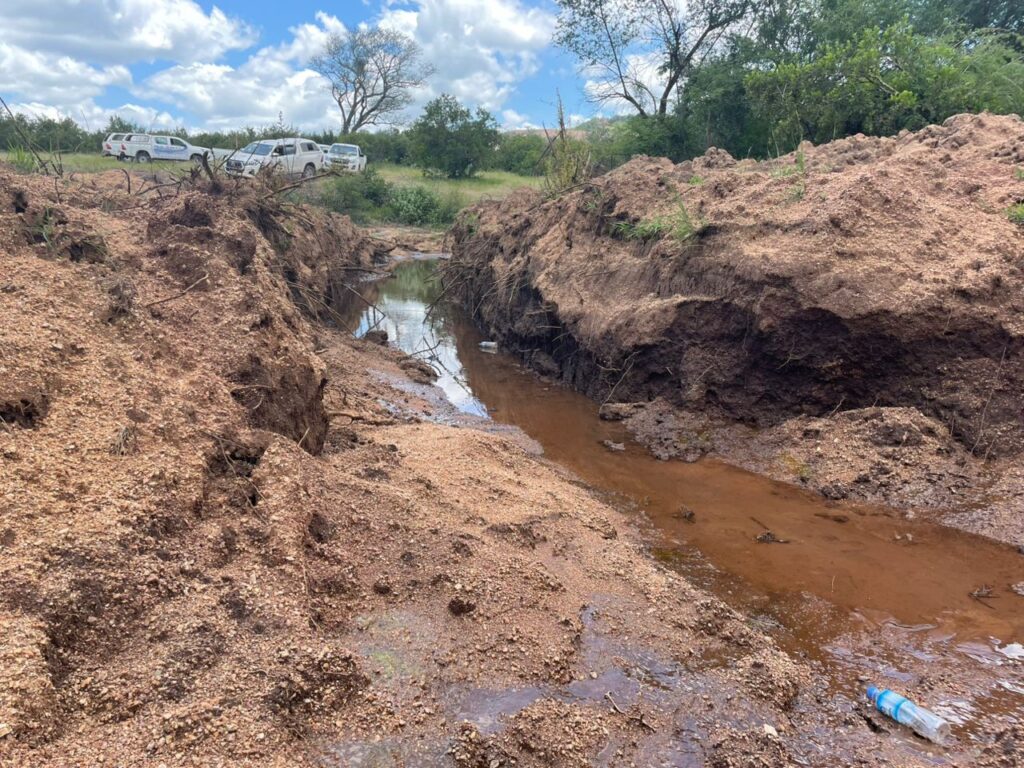
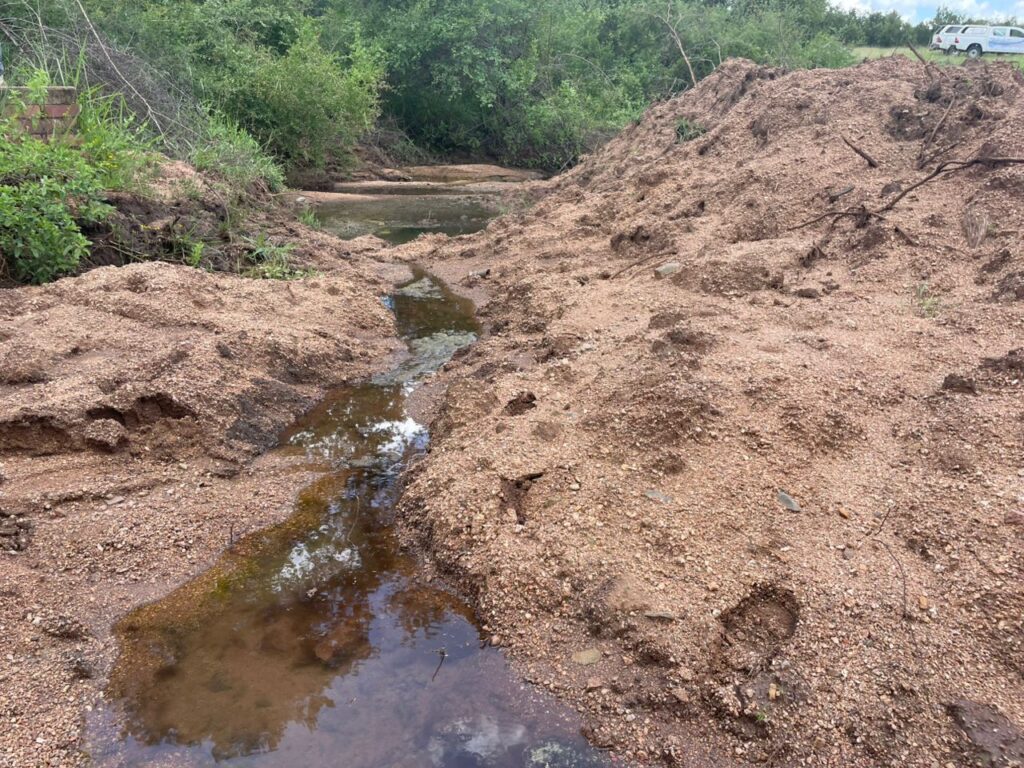


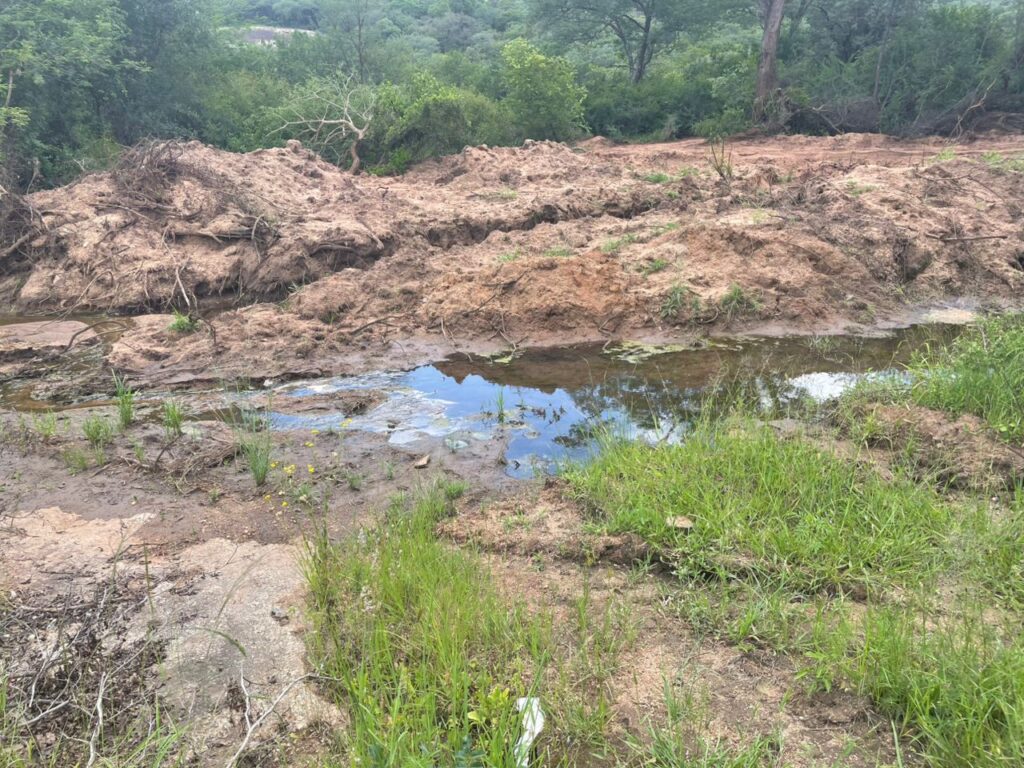
Bulawayo Mayor David Coltart has repeatedly raised concerns about mining in catchment areas, warning that it is disrupting water inflows into the dams and threatening the city’s long-term water supply.
Council figures show that as of 31 January 2026, Bulawayo’s operational dams were only 48.35% full, a level officials say is inconsistent with the amount of rainfall received this season.
Speaking on the sidelines of the tour, BCC Director of Engineering Services Sikhumbuzo Ncube described the situation as “dire”.
“We last experienced this level of rainfall around 2017 or 2018. By the end of January then, our supply dams were about 70% full,” he said.
“Now, despite the good rains, the dam levels are not looking good at all.”
Eng Ncube said Upper Ncema Dam, one of the city’s most critical reserves, was only 40% full.
“This is the dam we rely on most when the others dry up. Normally, we begin drawing from it around August or September, but at this rate we are not sure it will have sufficient capacity,” he said.
He added that addressing the problem would require cooperation among all stakeholders, including mining interests.
“We have seen the extent of digging in the catchment areas. Decisions around this cannot be made by one person. All stakeholders need to come together to discuss how best to protect the environment and ensure adequate water for Bulawayo,” he said.
The chairperson of the council’s Future Water Committee, Councillor Khalazani Ndlovu, said the inspection had highlighted the scale of the disruption affecting the city’s water sources.
“After such a good rainy season, we had hoped to ease water shedding, but the dam levels are worrying,” he said.
“Our residents are currently on a 96-hour water shedding schedule. If we reduce the shedding hours now, we may fail to make it to the next rainy season.”
She described Upper Ncema as the city’s most important reserve, adding: “At 40%, it is simply not where it should be. It is a serious concern for Bulawayo.”
Support CITE’s fearless, independent journalism. Your donation helps us amplify community voices, fight misinformation, and hold power to account. Help keep the truth alive. Donate today





Leave a Reply