

Zimbabweans have been urged to closely scrutinise the proposed Police Amendment Bill ahead of upcoming public hearings, amid concerns that some of the reforms could weaken accountability and undermine constitutional rights.
The hearings will be held by the Parliamentary Portfolio Committee on Defence, Home Affairs, Security Services and War Veterans’ Affairs.
The Police Amendment Bill (H.B.11, 2025) proposes changes to the appointment, promotion and discipline of police officers, as well as the establishment of a Police Service Commission.
It also sets out a fixed five-year term for the Commissioner-General, renewable once, and states that the office holder must act in accordance with written policy directives from the minister responsible for policing.
On this topic
The Bill further proposes replacing the term “police force” with “police service” to align with the Constitution.
Speaking on Asakhe Online’s This Morning programme, lawyer Joseph Makuni of Legal Resources Foundation said while the Bill seeks to reform policing structures, it raises questions about constitutional alignment, accountability and the concentration of power.
“Members of the public should look at whether efficiency is being prioritised over accountability,” he said. “They should also consider whether it is necessary to limit access to independent courts in disciplinary matters and whether we are not centralising authority in the Commissioner-General while allowing ministerial directives to take priority, which risks politicising policing.”
Makuni also raised concern over what he described as broad and vague grounds for the dismissal of police officers, arguing that poorly defined terms could allow arbitrary decision-making.
“People should look into what ‘unsuitable for service’ means. Such terms must be clearly defined so that officers understand the standards expected of them,” he said.
Beyond policing, the Bill proposes amendments to other statutes, including the Criminal Law Code, the Prisons and Correctional Service Act and the Private Voluntary Organisations (PVO) Act — a move Makuni said required careful scrutiny.
He questioned proposed changes to the Criminal Law Code relating to participation in acts deemed to threaten Zimbabwe’s sovereignty, particularly where the requirement to prove intention may be weakened.
Makuni said several provisions risked clashing with constitutional rights, including freedom of expression and association, and warned that unclear clauses could expose the government to legal challenges.
“We risk passing an Act that is open to multiple constitutional interpretations and litigation, especially where court jurisdiction appears to be limited,” he said.
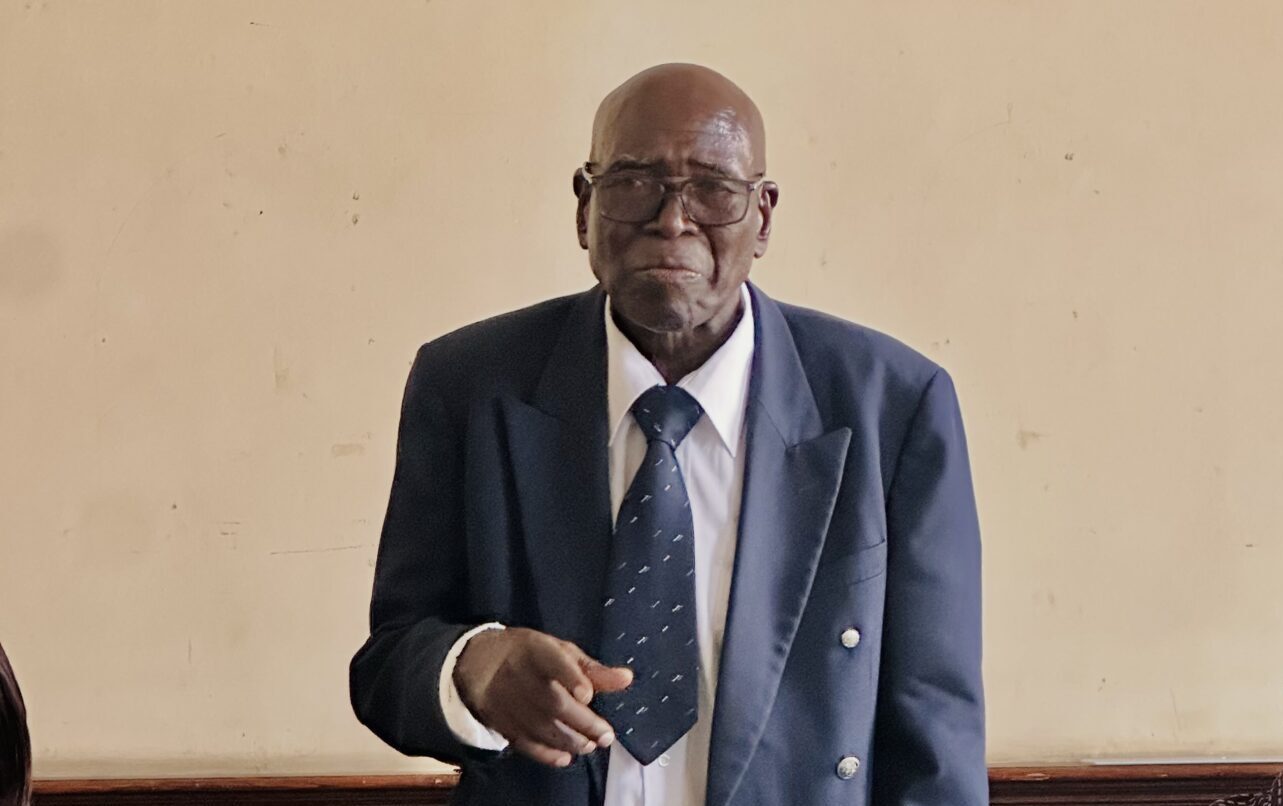
Former police officer Leonard Koni said members of the public making submissions should also focus on operational challenges within the police service, including discipline, manpower shortages and delays in handling criminal cases.
“It is important to ensure that cases are attended to as quickly as possible and that the police have adequate resources,” he said, adding that limited personnel often affected the investigation of serious crimes.
Koni also expressed concern about illegal detentions, where suspects are allegedly held beyond constitutionally permitted time limits before appearing in court.
“These are important issues for communities to raise during the hearings,” he said.
Support CITE’s fearless, independent journalism. Your donation helps us amplify community voices, fight misinformation, and hold power to account. Help keep the truth alive. Donate today





Leave a Reply