
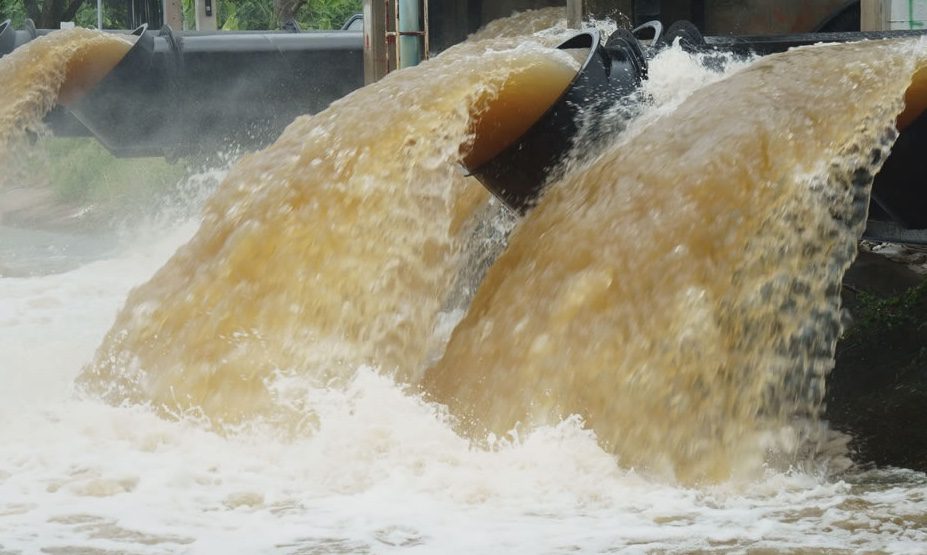
The Bulawayo City Council (BCC) says it is intensifying efforts to raise awareness among industries and key stakeholders on the management of trade effluent amid growing concern over the discharge of untreated industrial waste into the city’s sewer system.
According to the latest council minutes, Acting Director of Water and Sanitation Engineer Kwanele Sibanda warned that some industrial establishments were releasing effluent directly into municipal sewers, exposing the city to operational and environmental risks.
“Effluent is being discharged into municipal sewers by industrial establishments. This practice leads to corrosion of sewers, blockages leading to sewer chokes and collapses. Poor quality effluent negatively affects the efficient treatment of sewage,” the minutes read.
Effluent refers to wastewater flowing from sewers or industrial outlets into surface water systems, either untreated or after partial treatment at a facility.
On this topic
Council officials said the practice had already resulted in the local authority incurring heavy penalties from the Environmental Management Agency (EMA).
In response, the BCC plans to partner with Dutch water company Vitens Evides International (VEI) and development organisation PUM, alongside government agencies, to roll out an awareness and capacity-building programme for industrial players in the city.
The initiative, titled “Clean Industry: Advancing Trade Effluent Through Innovation, Policy and Partnership,” aims to strengthen regulatory compliance while promoting sustainable industrial practices.
Council minutes noted that although levies are already in place for effluent producers, compliance challenges persist across the sector.
“The city currently levies a quarterly Trade Effluent Tariff (TET) on industrial effluent producers, calculated based on water consumption, effluent strength, and the cost of conveying and treating industrial waste at municipal sewage treatment plants,” the minutes said.
They added that many industries in Zimbabwe face difficulties meeting standards due to outdated technology, limited technical expertise and weak policy enforcement.
“Through collaboration with VEI and PUM, we aim to address these gaps through targeted training, technical support and the promotion of cost-effective local innovations in effluent treatment and water recycling,” the document stated.
The council also highlighted the financial implications of untreated waste, saying it increases operational costs at municipal wastewater treatment plants.
“Promoting source-level treatment and compliance would lower treatment costs for utilities, freeing up resources to improve domestic water supply and expand coverage,” the minutes read.
Support CITE’s fearless, independent journalism. Your donation helps us amplify community voices, fight misinformation, and hold power to account. Help keep the truth alive. Donate today





Leave a Reply