
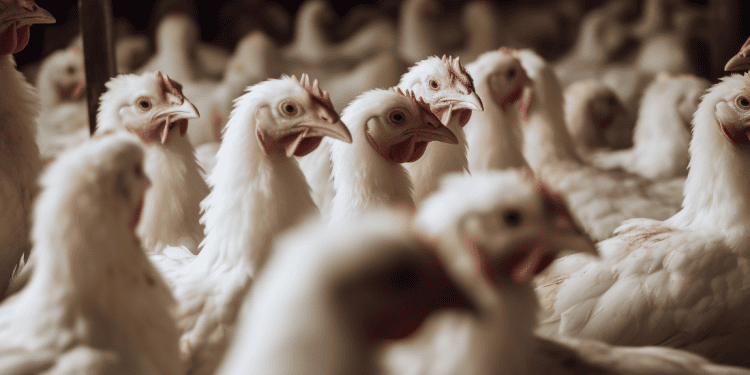
Poultry farmers have been urged to strengthen management practices during the rainy season to curb high bird mortality, as cold and wet conditions heighten the risk of disease outbreaks.
In an interview with CITE, Nkulumane-based poultry keeper Sibusiso Nkiwane said persistent rains have resulted in significant losses, affecting both production and income.
“My birds started dying when the rains became persistent because the ground is always wet and cold. Once chickens get soaked, it becomes difficult for them to survive,” said Nkiwane.
He explained that constant moisture weakens birds, making them more vulnerable to disease.
On this topic
“Some birds eat a lot but fail to gain weight. I am not sure if this is common during the wet season, but my losses have become severe. I have lost over 30 chickens out of the 100 I bought in December,” he said.
In Killarney, poultry farmer Tendai Moyo said rainwater often seeps into chicken bedding, leaving it wet for extended periods.
“Wet bedding makes chickens cold and uncomfortable because they are forced to sit and sleep on damp ground. This causes them to fall sick easily. Bedding is expensive, and during the rainy season it is difficult to dry, so many of my chickens have died,” said Moyo.
Dr Enoch Machingauta, a poultry specialist at Econutrivet, said protecting birds from excessive rainfall is critical during the wet season.
“To protect birds from cold, soggy ground and getting wet, farmers should provide proper coops or roosts,” said Dr Machingauta.
He warned that poor housing conditions can quickly lead to disease outbreaks, stressing the importance of proper litter management.
“Chicken coops can become breeding grounds for disease agents. Stagnant water should not be allowed, and litter must be kept dry and replaced immediately when wet, as damp litter promotes microbial growth and the release of harmful gases,” he said.
Dr Machingauta emphasised hygiene as a key preventive measure.
“To prevent disease outbreaks during this period, it is essential to keep poultry environments free from germs and bacteria,” he said.
He also cautioned farmers against allowing birds to drink groundwater, noting that it exposes them to pathogens and parasites such as intestinal roundworms.
“When birds are infected with worms, they often eat more but fail to gain weight and may remain underdeveloped. De-wormers should be administered strictly according to label instructions and veterinary advice,” he said.
According to Dr Machingauta, birds naturally alter their behaviour during cold and wet conditions.
“Birds tend to cluster together to generate heat. They also increase feed intake to maintain body metabolism,” he said.
He encouraged farmers to boost feeding during this period.
“Providing extra feed high in starch gives birds additional calories to help them stay warm. Farmers should also plan feed supplies properly and store them in dry conditions, preferably on wooden platforms away from walls and the ground to prevent mould and fungal growth,” he said.
Dr Machingauta warned that stress during the rainy season weakens birds’ immunity, increasing susceptibility to disease.
“Wet conditions often stress birds, reducing productivity and immunity. Diseases such as coccidiosis, fowlpox, E. coli and salmonella are common during this period and can result in high mortality,” he said.
He noted that outcomes largely depend on management practices and vaccination.
“The level of disease, illness and mortality during this season largely depends on management and immunisation levels in the flock,” said Dr Machingauta.
He urged farmers to prioritise vaccination.
“Since it is impossible to completely prevent unforeseen challenges, farmers should always vaccinate their birds. Products such as Endocox and Hepator boosters can help prevent stunted growth and high mortality when used correctly,” he said.
Support CITE’s fearless, independent journalism. Your donation helps us amplify community voices, fight misinformation, and hold power to account. Help keep the truth alive. Donate today






Leave a Reply