
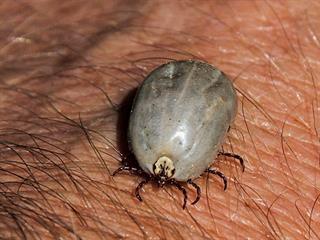
Farmers across Zimbabwe say a tick-borne disease once associated mainly with the month of January is now killing cattle throughout the year, threatening livelihoods and raising concerns about the impact of climate change on livestock health.
The disease, commonly known as January disease or Theileriosis, is traditionally linked to increased tick activity during the summer rains. But livestock owners say outbreaks are now occurring well outside the usual season, leaving farmers struggling to contain losses despite adhering to dipping schedules.
Bheki Dube, a farmer from Kensington, said he has lost several cattle in recent months, placing severe financial strain on his household.
“Theileriosis has become a serious burden for us farmers,” he told CITE. “The cost of treatment is too high for many small-scale farmers, and losing cattle affects our ability to pay school fees and meet basic household needs because livestock is our main source of income.”
On this topic
In Bulawayo, farmer Nothando Sibanda said the disease is difficult to manage because animals can fall ill suddenly.
“Even cattle that appear healthy can get sick very quickly,” she said. “Farmers are doing their best to dip, but the deaths are discouraging, especially for women who depend on livestock for food security and income.”
Similar concerns have been raised in Nyamandlovu, where farmer Mehleli Moyo said repeated outbreaks are wiping out years of investment.
“Some farmers are beginning to give up on cattle farming because of repeated losses,” he said. “There is a need for more education and support from veterinary officers so farmers can respond quickly when symptoms appear.”
Animal health specialist Nqobani Manyabi of EL Ganado Consultancy said the changing pattern of the disease is closely linked to climate change.
“Theileriosis used to be common in January, but now it occurs throughout the year,” he said. “When rains come, tick populations increase, and the disease has a high mortality rate. It kills cattle and also destroys farmers’ morale.”
Mr Manyabi said early detection was critical, noting that the first symptom is usually a sharp rise in body temperature, followed by swollen lymph nodes and excessive mucus discharge.
“The disease weakens the immune system, making the animal vulnerable to other infections such as anaplasmosis and heartwater,” he said.
He urged farmers to ensure effective dipping, including correct mixing of acaricides and regular changes to prevent resistance. During outbreaks, he said, cattle should be dipped more frequently under an intensified schedule.
In communal areas, Mr Manyabi warned that failure to dip even a single animal could put entire herds at risk.
“One tick can lay thousands of eggs,” he said. “If one cow is missed, it can affect all the others.”
Support CITE’s fearless, independent journalism. Your donation helps us amplify community voices, fight misinformation, and hold power to account. Help keep the truth alive. Donate today





Leave a Reply