
As climate change continues to disrupt rainfall patterns across Zimbabwe, smallholder farmers are increasingly turning to agro-ecology, a farming approach rooted in indigenous knowledge, to cope with recurring droughts, floods and cyclones.
Once dismissed as outdated, the practice is now gaining renewed attention as conventional farming methods struggle under more frequent and severe climate shocks, particularly in rural areas where agriculture is largely rain-fed.
Agro-ecology promotes farming systems that work with natural processes, using locally available resources to build resilience rather than relying on external inputs.
Speaking during Ilihlo Lemaphandleni, a programme produced by Community Podium in partnership with Skyz Metro FM, agro-ecology advocate Justin Salani and Director of Clima21st Zimbabwe said the approach is essentially a modern rebranding of traditional farming systems long practised by rural communities.
On this topic
“Agro-ecology is just a sustainable farming method. We have given it an English term, but these are actually the ways we have traditionally used to grow our food,” he said.
“It seeks to replicate a closed-loop system where we work with nature and naturally available materials to produce food and become resilient to the changing climate.”
Zimbabwe has experienced increasingly erratic rainfall in recent years, with prolonged dry spells alternating with destructive floods and cyclones. These changes have hit smallholder farmers hardest, undermining crop yields and food security.
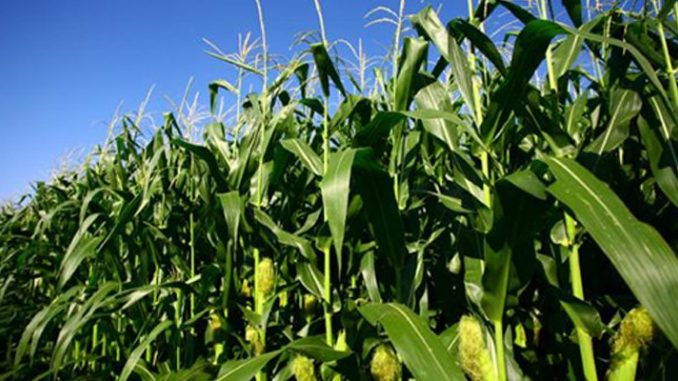
Salani said agro-ecology had become increasingly important as conventional farming systems, particularly maize monocropping, continue to fail under shifting weather patterns.
“If you look at our rainfall patterns, they have been changing, droughts season after season, floods and cyclones,” he said.
“These challenges affect especially smallholder farmers in rural areas, so we need to find ways to survive.”
One of the key practices under agro-ecology is soil moisture conservation, which is critical in drought-prone regions. Farmers use grass and crop residues to cover seedbeds, reducing evaporation and retaining moisture in the soil.
“We practise soil moisture conservation by covering our gardens and seedbeds using materials we already have in our communities,” Mr Salani said.
“We are not trying to find alternative methods called scientific or modern, we are using what we have to reduce moisture loss.”
Crop diversification is another pillar of the approach. Instead of relying solely on maize, farmers are encouraged to grow drought-tolerant small grains such as sorghum and rapoko.
“Traditionally, we have had a tendency of growing maize season after season,” Mr Salani said.
“But small grains are drought resistant. If we diversify, we are better able to survive dry spells because maize is easily affected by low rainfall.”
Despite growing interest, agro-ecology has faced resistance in some communities. Small grains are sometimes associated with poverty, while their production can be labour-intensive and vulnerable to bird damage during harvesting.
“There are myths around small grains, and some people resist them,” Mr Salani said.
“The labour required is higher than maize, and birds can destroy crops near harvesting time.”
However, he said attitudes were gradually shifting as climate pressures intensify.
“People are beginning to appreciate that we need to revert to our indigenous ways of living.”
Beyond climate resilience, agro-ecology also offers economic and health benefits. By reducing reliance on synthetic fertilisers, farmers are able to cut production costs while improving soil health.
“Instead of using artificial fertilisers like ammonium nitrate, we use manure within our farming systems,” Mr Salani said.
“We take waste, make compost and apply it to the fields. The soil stays healthy, there is no chemical residue, and consumers get healthier food.”
The approach also extends to livestock production, with farmers using agricultural and industrial waste to produce feed, further reducing costs.
“We do not need to buy stock feed,” Mr Salani said.
“We can use silage and compost from waste, reducing dependence on synthetic fertilisers.”
Agro-ecology is already being practised in parts of southern Zimbabwe, including Filabusi and Gwanda South, with support from non-governmental organisations focused on food security and climate resilience.
Support CITE’s fearless, independent journalism. Your donation helps us amplify community voices, fight misinformation, and hold power to account. Help keep the truth alive. Donate today






Leave a Reply