


The Zimbabwe National Family Planning Council (ZNFPC) has intensified efforts to increase the uptake of Sayana Press, a long-acting injectable contraceptive, positioning it as a key self-care option to reduce unmet need for family planning and expand women’s autonomy over their reproductive health.
At a sensitisation meeting held at Mhlahlandlela Government offices in Bulawayo on Wednesday, health workers, stakeholders and the media were briefed on strategies to generate demand for Sayana Press, strengthen service providers’ knowledge and attitudes while promoting the method as a safe and effective self-care alternative.
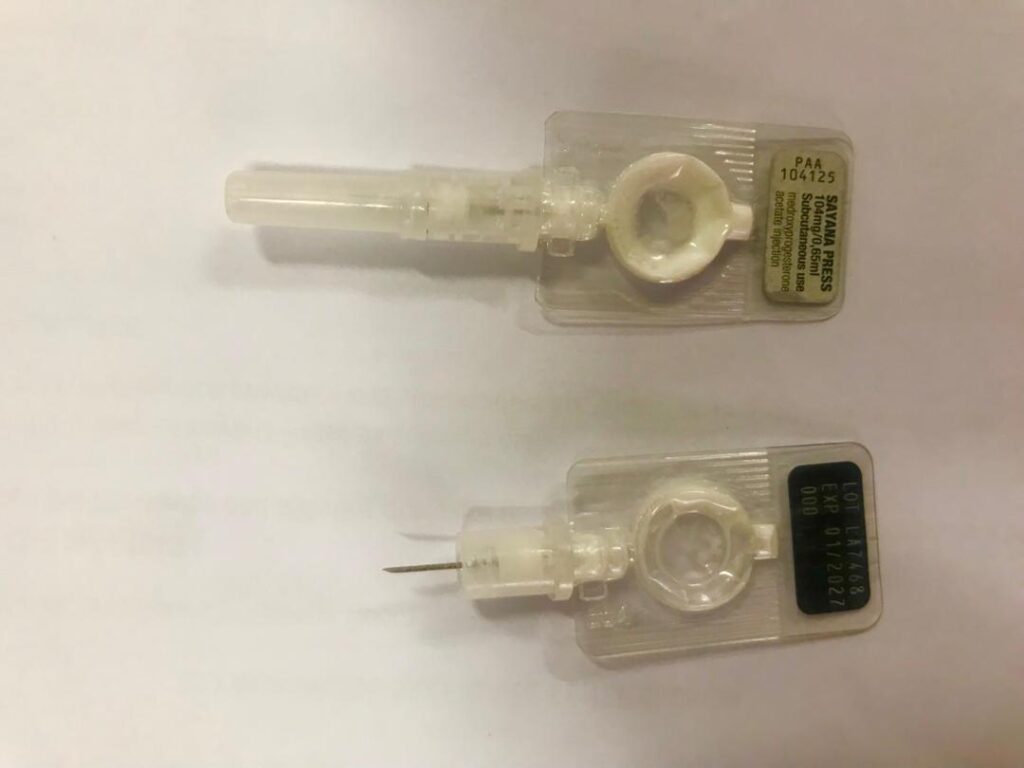
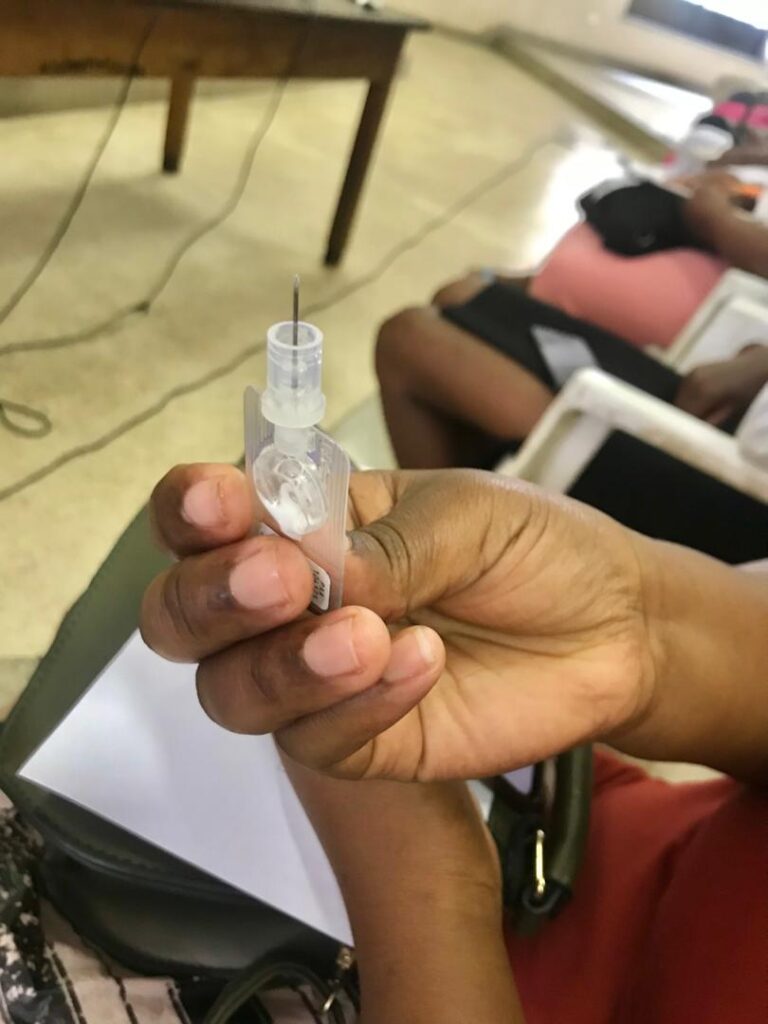
Sayana Press is a progestogen-only injectable contraceptive administered just under the skin (subcutaneously) every 13 weeks to prevent pregnancy.
Unlike traditional intramuscular injections, it uses a small, fine needle and can be self-administered after proper training.
On this topic
ZNFPC Service Delivery Coordinator, Janet Godzi, said the contraceptive method was rolled out in Zimbabwe in 2021, with Bulawayo among the pioneer provinces, initially administered under the supervision of nurses before this current push towards self-care.
“It’s an injection. It’s given subcutaneously. It’s given every three months. We can only allow one week earlier and one week later from the three months,” Godzi explained.

She said Sayana Press is suitable for women of child-bearing age across a wide spectrum, including adolescents, although with safeguards.
“Women of childbearing age, of all ages, can access Sayana Press. Adolescents can use Sayana Press,” she said, adding that caution is exercised for those aged 13 to 18, while girls aged 10 to 12 are not provided with the method.
Godzi said that self-care is central to ZNFPC’s rights-based and choice-based approach to family planning.
“We want to achieve zero unmet need for family planning, because self-care will make it easier to be accessible. We want to increase autonomy for our clients. When we roll out self-care, our clients have the choice to either continue to be looked after by health workers or to go out there and self-inject,” she said, noting that as demand generation intensifies through community engagement, health education sessions and media partnerships, hopefully more women will view Sayana Press not only as an alternative contraceptive, but as a tool for autonomy, dignity and control over their own bodies.
She noted that transport costs and distance to health facilities remain major barriers for many women, making self-injection a practical solution.
“Travel is a cost for most women so now a mother chooses either to self-inject or to continue to be injected by a provider,” Godzi said.
Addressing safety concerns, she stressed that Sayana Press is designed for ease of use and minimal risk.
“It’s just a prick in the skin, away from blood vessels and nerves. We are not going to injure any structure. The women are safe,” she said, comparing it to insulin injections commonly self-administered by those with diabetics.
She added proper storage and disposal were part of the education given to clients, with used injectors safely returned to health facilities.
The contraceptive method is highly subsidised, costing between US$1 and US$2 (in addition to user fees) at public hospitals and is currently available only in the public sector as authorities scale up monitoring before wider distribution.
ZNFPC Marketing and Communications Officer, Mission Gwafa, said demand generation must be inclusive and deliberate, targeting all women of reproductive age.
“We want to engage all women of reproductive age from 15 to 49. This is inclusive of young people and also inclusive of people with disabilities,” Gwafa said.
He challenged misconceptions that exclude people with disabilities and those living with HIV from sexual and reproductive health services.
“It is their reproductive right to access family planning services. Who are we to say we are overloading someone? They have a right to access services,” he said.
Gwafa also called for the involvement of men, traditional leaders and religious leaders, noting that resistance to family planning is often rooted in myths and cultural taboos.
“Men, contraception is not a sin, it’s not a crime. Women don’t impregnate themselves. So the same zeal we have for sexual activity, can it be the same energy and zeal we have to support family planning?” he asked.
He urged the media to play a proactive role in shaping accurate messaging.
“Don’t overlook the power of mass media and even social media. We want to use all strategies possible to educate our population, but we want the correct message,” Gwafa said.
Provincial Manager for ZNFPC and Monitoring and Evaluation (M and) lead, Joyce Ndebele, said the organisation is closely tracking uptake and challenges associated with Sayana Press self-care to guide future improvements.
“We started this programme in July for self-care to the clients, so from July I want to monitor the uptake of clients who are doing the self-care,” Ndebele said.
She explained monitoring and evaluation are essential to make sure services are implemented as planned and that desired results are being achieved.
“I want to see what’s the uptake, what are the challenges, and how can we improve to encourage women to take Sayana as self-care? At the end of the day, family planning is your choice,” she said.
Ndebele added that data is collected through family planning registers and captured into the national health information system to ensure accuracy, accountability and informed decision-making.
She added that the push for Sayana Press self-care aligns with broader goals to expand access, reduce pressure on health facilities and empower women to make informed choices about their reproductive health.






Leave a Reply