
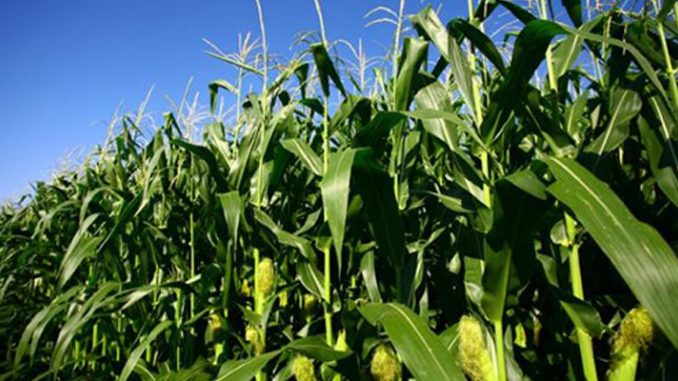
Farmers have been urged to strengthen post-harvest management as climate change increasingly disrupts traditional farming cycles, exposing produce to losses, pests and health risks.
The call was made during the Ilihlo Lemaphandleni programme, produced by Community Podium in partnership with Skyz Metro FM, where participants discussed the growing impact of changing weather patterns on food preservation.
Speaking on the programme, ORAP farmer Thandazani Mkwananzi said climate change was forcing farmers to reconsider how they handle crops after harvesting.
“Climate change is now disrupting the ways farmers were used to when it comes to handling their harvest,” he said, adding that farmers needed to educate one another on adapting to new conditions, particularly in preserving produce.
On this topic
Mkwananzi said post-harvest planning should begin at the start of the farming season, warning that poor early decisions weaken crops and make them more vulnerable to pests.
“Most decisions are made at the beginning of the farming season. If those decisions are wrong, it affects the strength of the harvest,” he said, stressing the need to plan resources such as seed, labour, equipment and storage facilities in advance.
He highlighted proper drying as critical for food safety, noting that different crops require specific moisture levels before storage.
“For maize, moisture should drop to about 12 percent. If it is stored while still moist, it attracts pests that can affect both our health and that of consumers,” he said, adding that inadequate drying of vegetables could also lead to mould.
On storage, Mkwananzi recommended the use of hermetic bags, which restrict air circulation and help prevent mould and insect infestation. He said the bags were affordable and widely available.
He also encouraged farmers to revive well-constructed traditional granaries, which are cheaper and can be built using locally available materials. Such granaries, he said, should be raised off the ground and properly sealed to prevent moisture damage.
Mkwananzi urged farmers to tap into indigenous knowledge systems, noting that elders had long used natural methods such as ash and certain tree leaves to protect stored grain.
“Our elders have knowledge about trees like umtswiri, which can be used to prevent pests. We should not abandon this knowledge,” he said.
He added that traditional thatched granaries helped regulate temperature better than some modern structures, which can overheat due to poor insulation.
Processing and handling of produce from the field to storage were also identified as key stages, alongside careful transportation and proper selection of seed for the next farming season.
“Seed for the next season should be selected while still in the field from a good harvest. Not everything harvested is suitable to be used as seed,” Mkwananzi said.
Support CITE’s fearless, independent journalism. Your donation helps us amplify community voices, fight misinformation, and hold power to account. Help keep the truth alive. Donate today





Leave a Reply