
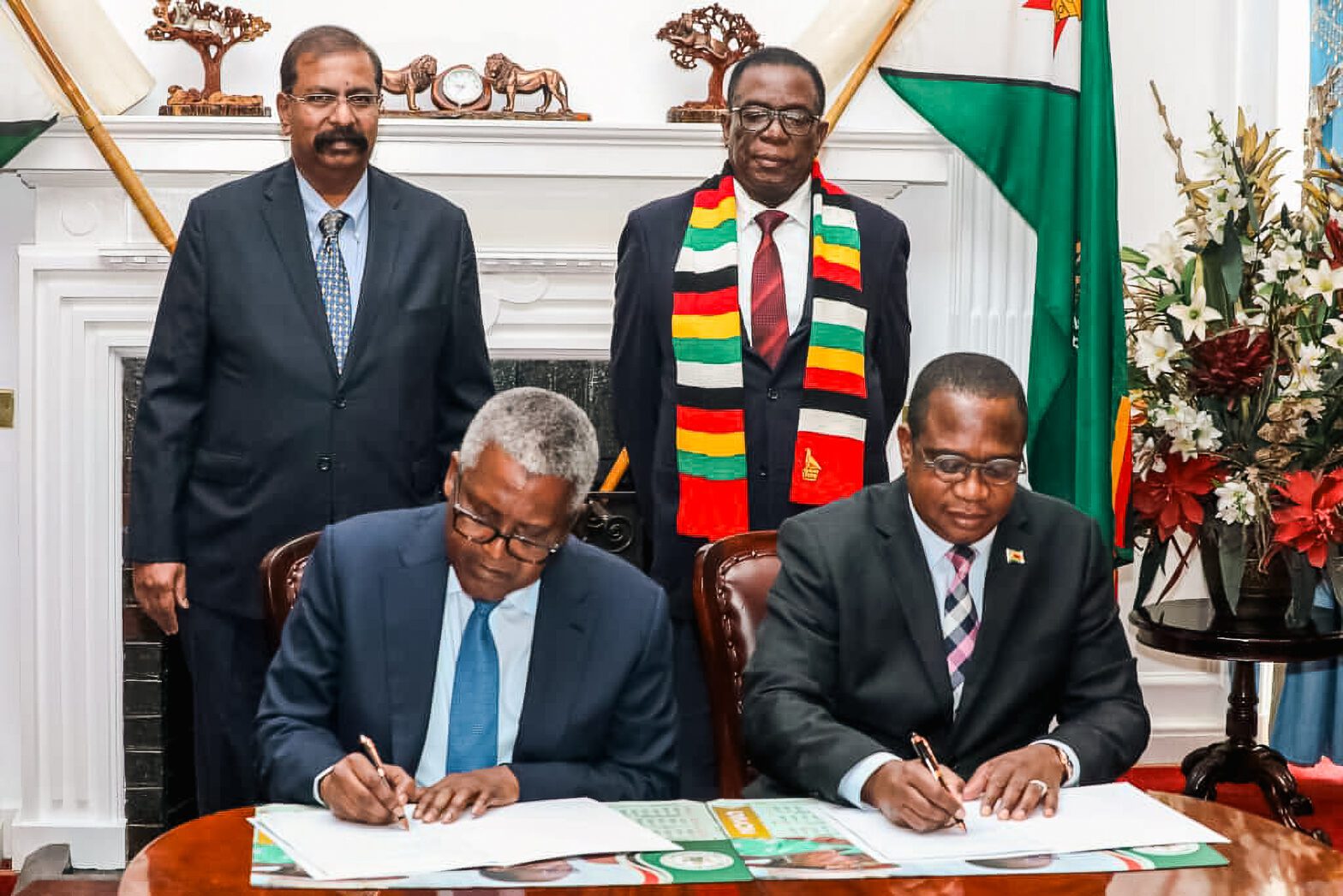
African billionaire Aliko Dangote’s renewed interest in investing in Zimbabwe has been described as a potential “game changer” for the country’s struggling economy, but analysts warn that persistent corruption could still threaten the deal.
Professor Gift Mugano, Executive Director of Africa Economic Development Strategies, said Dangote’s return marks a significant shift from his abandoned investment attempt a decade ago. He said the businessman had indicated that Zimbabwe now appeared “more transparent” than it was during his last visit.
“When asked why he was back he stated that they are more transparent than what they were 10 years ago,” Prof Mugano said.
He said Dangote’s earlier investment attempt reportedly collapsed due to alleged corruption, including difficulties accessing critical mineral claims such as limestone needed for cement production.
On this topic
“Last time when he came, he could not make it because of corruption,” Mugano said. “Street talk suggested Dangote could not secure the necessary claims because some corrupt officials had positioned themselves on those claims.”
He said the latest engagement suggests Dangote may have received assurances that he will now be granted the required concessions and investment conditions he previously could not secure.
However, Mugano believes Dangote’s diplomatic remarks about improved transparency were also strategic.
“I think he was using wisdom to say the government is now more transparent than before as a way of encouraging them to be transparent,” he said.
Despite the optimism around Dangote’s specific proposal, Mugano warned that corruption in Zimbabwe remains widespread.
“Zimbabwe has not changed much in terms of corruption. In fact, it’s now more entrenched than it was in 2014, and for the nation’s sake I don’t think things have changed,” he said.
Presidential spokesperson George Charamba has said the proposed $1 billion investment does not yet specify focus sectors, though it includes cement manufacturing, energy, petroleum and petrochemical products.
Mugano said such an investment would radically shift global perceptions about Zimbabwe’s business environment.
“It becomes what I can call a game changer in investment where it signals to the world that things are happening in Zimbabwe,” he said.
He added that Dangote’s involvement would likely attract other investors currently hesitant about entering the market.
“It prompts them to ask, ‘If Dangote is going to Zimbabwe, why not us?’” he said, drawing parallels to Ethiopia and Ghana, where major investments helped unlock further economic activity.
While Zimbabwe’s cement production capacity, led by PPC’s 1.5 million tonnes, currently meets domestic demand, Mugano said Dangote’s operations would likely target export markets, boosting foreign currency earnings.
He also noted that the energy component of the proposed investment could ease Zimbabwe’s long-standing power shortages by expanding local electricity generation and reducing costly energy imports.
Mugano said the country cannot afford to lose the opportunity.
“If we miss this deal, we are doomed,” he said. “We have to support it because we want government to be sincere about it as well.”
Support CITE’s fearless, independent journalism. Your donation helps us amplify community voices, fight misinformation, and hold power to account. Help keep the truth alive. Donate today




Leave a Reply