

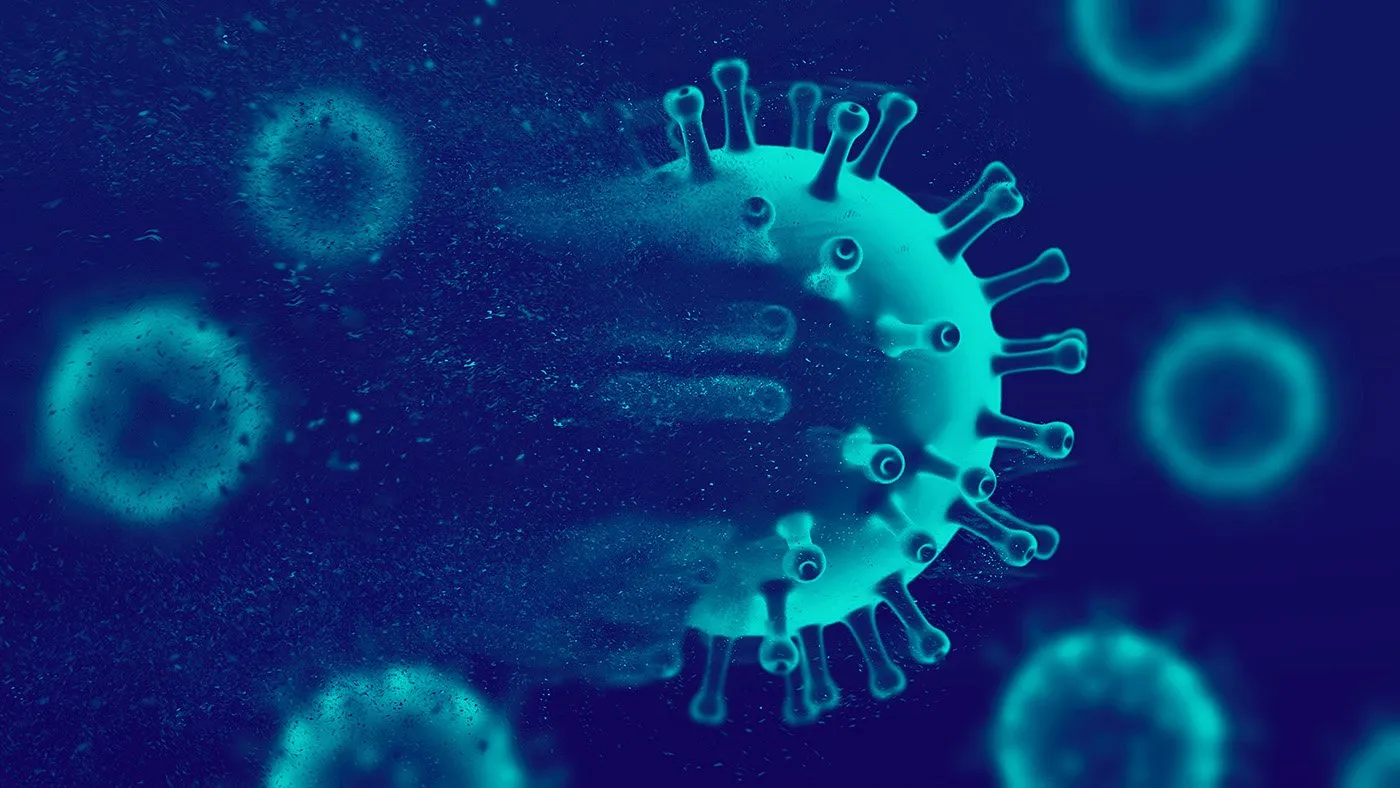
The World Health Organisation (WHO) has issued a stark warning that antimicrobial resistance (AMR) is already causing widespread harm, rendering many common infections harder, and in some cases impossible, to treat.
AMR occurs when bacteria, viruses, fungi and parasites stop responding to antimicrobial medicines. “As a result of drug resistance, antibiotics and other antimicrobial agents become ineffective and infections become difficult or impossible to treat, increasing the risk of disease spread, severe illness and death,” the WHO said.
The warning comes as the world marks World AMR Awareness Week (WAAW), observed annually from 18 to 24 November to highlight the growing global threat and encourage stronger action across sectors.
This year’s theme, “Act Now: Protect Our Present, Secure Our Future”, underscores what WHO describes as an urgent need for coordinated, long-term commitments to address the rise of drug-resistant infections.
On this topic
“AMR is already harming our health, food systems, environment and economies. It’s not a future challenge. It is happening now. Drug-resistant infections are increasing, yet awareness, investment and action are still falling short,” the WHO said.
The organisation noted that despite rising infections, levels of public awareness, political attention and financial support remain low. WHO is calling on governments, civil society, health-care providers, veterinarians, farmers, environmental actors and citizens to turn political commitments into concrete action.
Building on momentum from the 2024 UN General Assembly High-Level Meeting on AMR, WHO is urging stakeholders to implement “tangible, accountable, life-saving interventions” across human, animal and environmental health systems.
“To protect our present and secure our future, we must prioritise long-term investment and strategic action,” the organisation said. Strengthening surveillance, ensuring equitable access to quality medicines and diagnostics, supporting innovation and building resilient systems were identified as essential steps.
WHO stressed that investment in AMR response is “a smart move for a safer, healthier future,” noting that action at all levels, from hospitals introducing antimicrobial stewardship programmes to farmers adopting sustainable waste-management practices, will be critical.
“No matter your role, whether shaping policy, delivering care, protecting ecosystems or raising awareness, ‘Act Now: Protect Our Present, Secure Our Future’ is a shared responsibility. Together, we can keep antimicrobials effective and build a healthier, more sustainable world for generations to come,” the WHO said.
Support CITE’s fearless, independent journalism. Your donation helps us amplify community voices, fight misinformation, and hold power to account. Help keep the truth alive. Donate today



Leave a Reply