
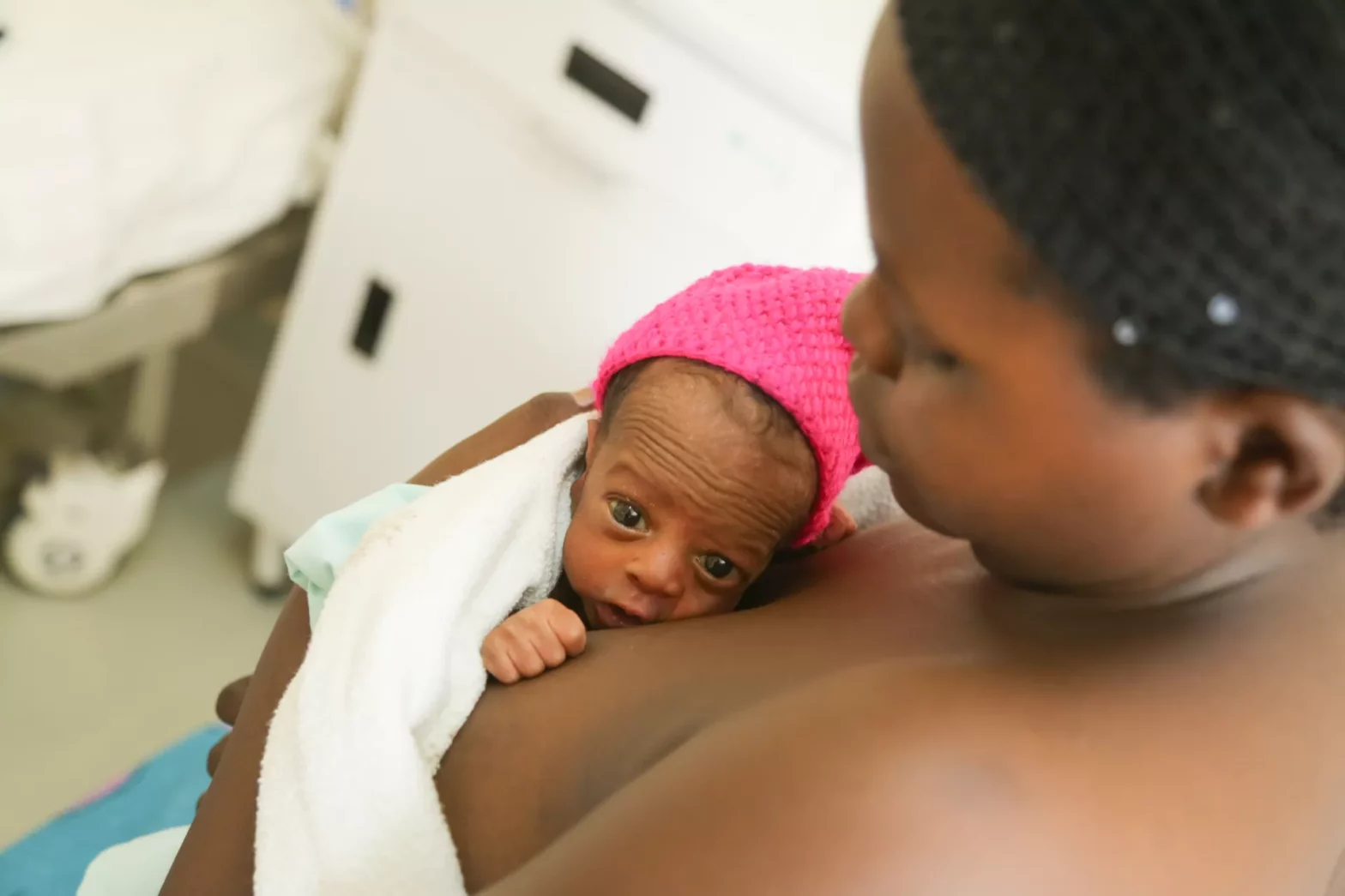
The World Health Organisation (WHO) has launched a new global clinical practice guide for Kangaroo Mother Care (KMC), highlighting the intervention as one of the most effective ways to improve survival rates for preterm and low-birth-weight babies.
WHO defines preterm as babies born alive before 37 weeks of pregnancy are completed. There are sub-categories of preterm birth, based on gestational age: extremely preterm (less than 28 weeks)
Marking its first official observance of World Prematurity Day, WHO said an estimated 15 million babies are born prematurely every year, with complications linked to early birth remaining the leading cause of death among children under five. In the world’s poorest countries, extremely preterm babies often die within days, yet in well-resourced settings most survive.
KMC, a method combining continuous skin-to-skin contact and exclusive breastfeeding, has been shown to reduce newborn deaths by more than 30 percent, decrease hypothermia by nearly 70 percent, and lower cases of severe infection by 15 percent. WHO says these gains make KMC a critical intervention for countries battling high neonatal mortality.
On this topic
WHO Assistant Director-General for Health Promotion, Disease Prevention and Care, Dr Jeremy Farrar, said KMC helps to transform newborn care.
“KMC is not just a clinical intervention, it empowers mothers and families and transforms newborn care. It should now be universal clinical practice for all small and preterm babies, ensuring they have the best chance to survive and thrive,” Dr Ferrar.
The new guide offers health workers and caregivers detailed, step-by-step instructions on initiating, maintaining and monitoring KMC.
WHO recommends starting KMC immediately after birth for all preterm or low-birth-weight babies, except those in need of urgent medical stabilisation such as breathing support. The organisation emphasises that mothers should typically provide KMC, but fathers and other family members can assist when needed, particularly in overstretched facilities.
WHO noted that KMC can be started in labour rooms, operating theatres, postnatal wards and neonatal units, and continued at home. The guide also includes practical tips on securing the baby using cloth wraps, elastic binders or specially designed garments.
Governments are urged to prioritise dedicated newborn care spaces, skilled staff, essential medicines and functional equipment. Preterm babies face heightened risks due to underdeveloped lungs, immune systems and temperature regulation, making timely care critical.
Support CITE’s fearless, independent journalism. Your donation helps us amplify community voices, fight misinformation, and hold power to account. Help keep the truth alive. Donate today






Leave a Reply