
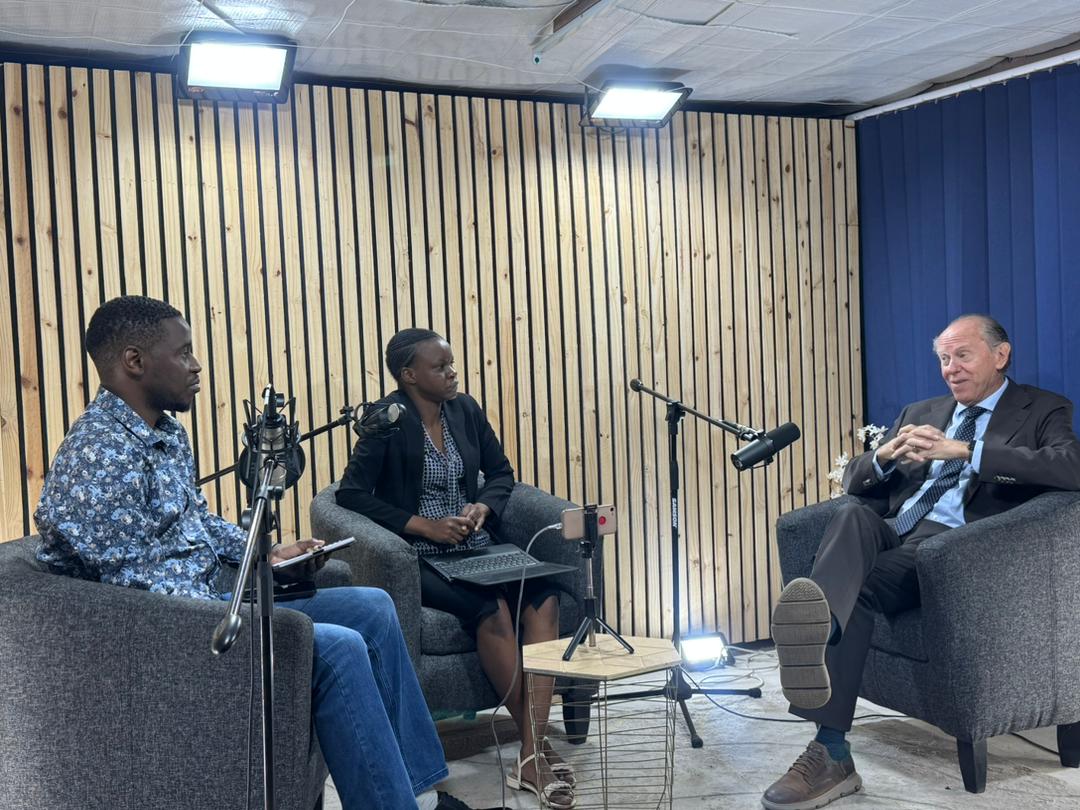
Bulawayo is grappling with a severe water crisis driven by decades of neglect, environmental degradation, and aging infrastructure now operating far below capacity, a situation city officials say requires urgent, multi-pronged intervention.
Speaking during This Morning on Asakhe X Space, Bulawayo Mayor David Coltart said the city’s water challenges cannot be resolved through a single project, as years of underinvestment have left key systems in disrepair.
“There is no single solution to this because we have aging infrastructure that has not been adequately maintained for decades now,” Coltart said.
He cited the Ncema pump and purification station, built in the 1940s, as one of the most affected facilities. Its outdated systems frequently break down, resulting in constant service disruptions and burst pipes across the city.
On this topic
“Residents have been seeing constant burst pipes,” he said. “Furthermore, critical supplementary sources are failing, the Nyamandlovu aquifer is running way below its original design capacity.”
Compounding the infrastructure failures, Coltart warned, is rampant gold mining in the river systems that feed Bulawayo’s dams. Illegal and unregulated mining has destabilised the ecosystem, reduced water flow, and worsened siltation.
“With the current gold prices, a lot of young people have turned to mining, and they are devastating our river systems,” he said. “For example, in Inyankuni, there are companies literally digging up entire riverbanks, it’s a huge problem.”
According to the Mayor, Bulawayo currently requires about 165 megalitres (ML) of water daily to meet demand. However, due to system inefficiencies and drought conditions, the city can only deliver between 110 and 120 ML per day, with supply occasionally dropping to 90 ML. This persistent shortfall has forced the city to ration water, leaving some suburbs without running taps for several days each week.
To address the crisis, Coltart highlighted the Glassblock Dam project as one of the most immediate priorities. Originally identified in 1988, with a feasibility study completed in 1998, the project has been on hold for decades but is now being revived as part of a broader water security strategy.
“The answer isn’t just in Glassblock,” the Mayor said, “but it plays a vital role. When constructed, Glassblock will deliver about 70 megalitres of water per day.”
He added that while the dam alone will not solve Bulawayo’s long-term water crisis, it represents a significant short-term boost that could stabilise supply as other projects progress.
Coltart said the city’s comprehensive plan involves both new infrastructure development and rehabilitation of existing systems. This includes upgrading the Insiza and Mtshabezi pipelines, as well as overhauling the Ncema water works to restore efficiency.
“The short- and medium-term solution is a combination of getting Glassblock built and rehabilitating existing infrastructure,” he said.
If implemented successfully, the Glassblock project could provide immediate relief for thousands of residents while paving the way for a more resilient and sustainable water system for Bulawayo.
Support CITE’s fearless, independent journalism. Your donation helps us amplify community voices, fight misinformation, and hold power to account. Help keep the truth alive. Donate today




Leave a Reply