
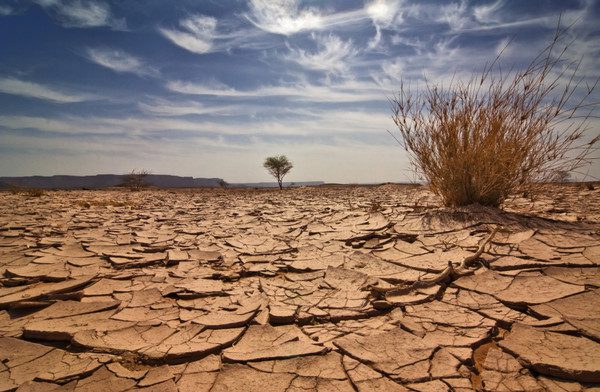
Residents of Robert Sinyoka in Bulawayo’s Ward 17 are calling for more education and information on weather patterns and climate change, saying unpredictable rains and rising temperatures have made it increasingly difficult for them to plan their farming activities.
Most smallholder farmers in the area rely on rain-fed agriculture, but shorter rainy seasons, extreme heat, cyclones, and floods have disrupted their livelihoods.
In an interview with CITE, resident Richard Thebe said changing rainfall patterns have made it hard for communities to make informed agricultural decisions.
“Climate change is affecting us, especially in agriculture. We no longer know when to start planting. Sometimes, after planting, the rains disappear when our maize needs moisture to mature, and the crops end up drying out in the sun,” Thebe said.
On this topic
He added that excessive heat has worsened the situation, stunting maize growth and reducing yields.
Another villager, Michael Maseko, said traditional knowledge that once guided planting and harvesting seasons has become unreliable due to erratic weather conditions.
“We no longer recognise the first rains, known as imbolisa amahlanga, which used to signal planting time. Growing up, I knew that by December 25, we would already have maize in our gardens, but now we have to buy it from the market,” he said.
Maseko expressed concern over the lack of community education on climate adaptation.
“We don’t know what is happening or what plans are being made to help us adapt to climate change. We need education and support as villagers,” he added.
Another farmer, Nqobizitha Moyo, said the absence of proper guidance has left many trying different farming methods with little success.
“Climate change is affecting us badly here in Ward 17. Sometimes we try conservative farming or dry planting, but our crops die underground before they mature,” Moyo said.
He appealed for regular updates from climate and agricultural experts to help farmers make informed decisions.
“We are asking for those who focus on climate issues to advise us regularly so that we don’t lose our livestock and seeds,” he said.
Residents believe that consistent weather updates, training in climate-smart agriculture, and closer collaboration with agricultural and meteorological authorities could help them adapt better to changing conditions.
Without such interventions, farmers in Ward 17 fear their livelihoods will remain at risk as climate change continues to disrupt the agricultural calendar and undermine traditional farming knowledge.
According to the Meteorological Services Department (MSD) of Zimbabwe, the upcoming 2025–26 rainfall season is expected to be influenced by a strong negative Indian Ocean Dipole (IOD) and a neutral El Niño–Southern Oscillation (ENSO) phase.
“The season is anticipated to have a delayed and erratic start, with October and November likely to be drier than normal across the country. This initial dry phase is expected to give way to improved rainfall prospects from December onwards,” MSD said in a statement.
The department advised farmers to adopt flexible planting strategies to accommodate the delayed onset of rains and prepare for possible heavy downpours later in the season.
“Irrigation strategies and drought-resistant crop varieties may prove essential, especially for northern regions facing extended dry conditions,” MSD added.
Support CITE’s fearless, independent journalism. Your donation helps us amplify community voices, fight misinformation, and hold power to account. Help keep the truth alive. Donate today





Leave a Reply