

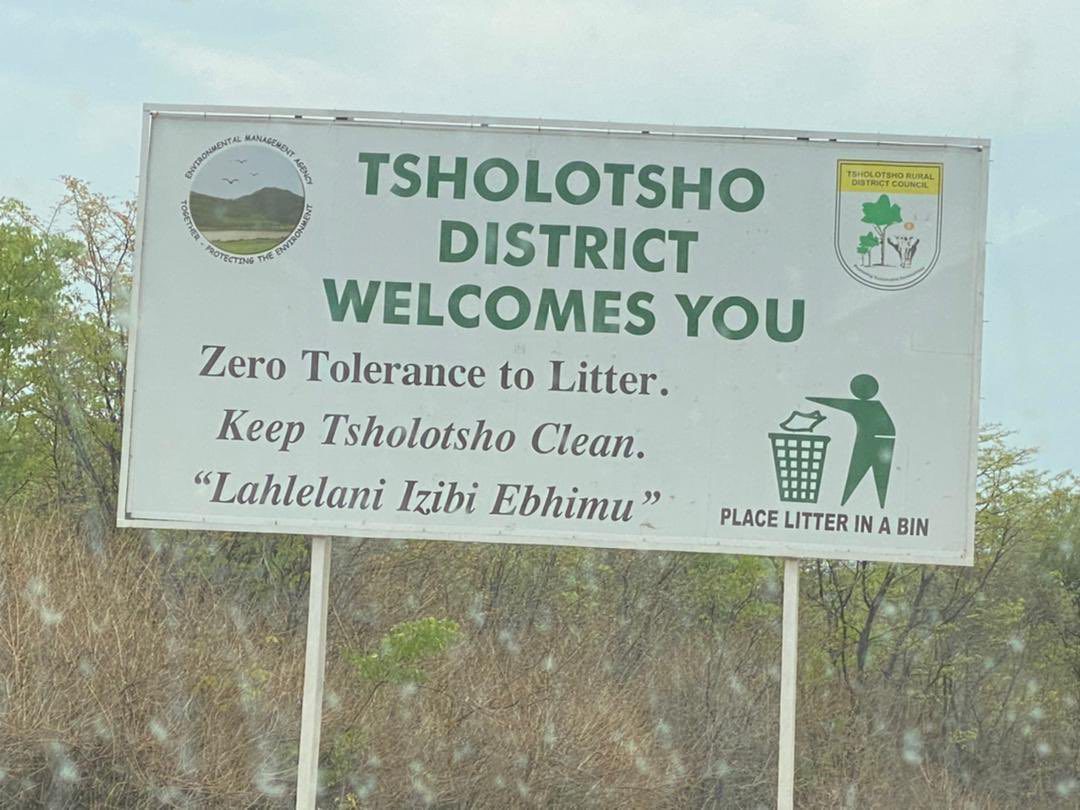
Communities in Tsholotsho district are struggling to cope with the effects of drought and extreme weather, which are threatening food security, access to water, and overall livelihoods.
Mehluli Ndlovu, a community activist on climate change issues, described drought as a recurring crisis in the district, leaving many households vulnerable. He spoke during public hearings on the Climate Change Management Bill held in Tsholotsho.
“Drought is a problem in Tsholotsho because it’s a region without rain, so issues of food insecurity arise. Around September to March, people struggle as they are no longer harvesting much,” Ndlovu said.
Water shortages have worsened as traditional sources dry up earlier each year, forcing villagers to walk long distances to find water.
On this topic
“Water sources dry up early and people spend time looking for water. In deep Tsholotsho, particularly in wards 1 and 2, areas such as Zimatugwe, Mkhawuzaneni, Sihazela and Thembile villages, people are really struggling with accessing water,” he added.
Ndlovu recalled instances when schools had to rely on water brought from Bulawayo because local streams were unsafe and shared with animals.
“Teachers used to bring water from Bulawayo for drinking because the only available sources locally were streams, shared with wild and domestic animals. Sometimes bus drivers were even sent to bring water,” he said.
The water crisis, he said, disproportionately affects women and girls, who often have to travel long distances, even at night, to collect water, exposing them to risks such as domestic violence.
The impact of drought extends beyond households, affecting children’s health and education.
“Some children’s health suffers when there is no food at home. Families often rely on selling their harvest, and if they don’t harvest much, they prioritize home needs over sending a child to school,” Ndlovu said.
While some parts of Tsholotsho face drought, other areas such as Gwayi and Siphepha in ward 6 are prone to flooding, which destroys homes, livestock and food reserves, and sometimes prevents people from reaching schools and health facilities.
Rising temperatures are another concern. Ndlovu said heat waves are affecting vulnerable groups, including children and people with chronic illnesses. “The heat is draining. School children are fainting in schools. While we don’t have documentation linking illnesses directly to heat, we have observed these climate change–related issues,” he said.
As climate change continues to impact Tsholotsho, communities face mounting challenges in securing basic necessities and protecting their health and livelihoods.
Support CITE’s fearless, independent journalism. Your donation helps us amplify community voices, fight misinformation, and hold power to account. Help keep the truth alive. Donate today



Leave a Reply