
By Nqobani Nyathi
Chapter 12 of the Constitution provides for independent commissions. These include the Human Rights, Gender and Media Commissions, whose general objectives include supporting and entrenching human rights and democracy, and promoting constitutionalism. Yet the ongoing process to appoint members of these commissions does not demonstrate the seriousness it deserves.
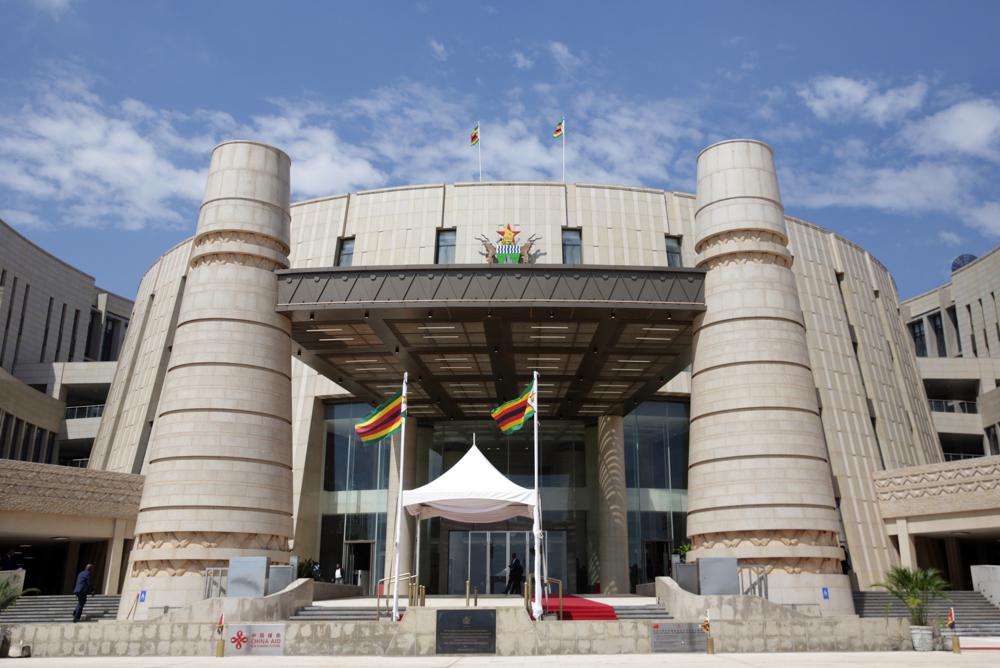
According to the Parliament’s website, over three days (29 to 31 October 2025) the Committee on Standing Rules and Orders (CSRO) will conduct interviews for the Media, Gender and Human Rights Commissions, whose members will be appointed by the President.
The CSRO has lined up 49 candidates for the Media Commission, 44 for the Gender Commission, and 59 for the Human Rights Commission, with each interview scheduled to last only 15 minutes.
On this topic
Candidates must be seated by 7:00 am sharp on their respective interview days, which run late into the night, or they risk disqualification. For the Human Rights Commission for example, the last interview is scheduled to start at exactly midnight, spilling over into the 1st of November. The public may watch in person or follow the proceedings via live stream. Inhumane hardly covers it. Imagine travelling from distant places for these important interviews, only to be turned away at the door for arriving two minutes late.
It is downright absurd that such high-level appointments get only 15 minutes each. The Constitution itself sets lofty standards for these roles. For instance, Human Rights Commission members “must be chosen for their integrity and … experience in the promotion of human rights.” Gender Commission members likewise require “integrity and … understanding of gender issues.” The Media Commission members must have “integrity … competence in administration” and media expertise.
These are not run-of-the-mill appointments. One would think the vetting would be quite exhaustive, as the Constitution clearly requires. Fifteen minutes can hardly reveal anything more than rehearsed soundbites.
By squeezing interviews, the CSRO also shuts out meaningful public participation and oversight. Civil society and members of the public have virtually no way to reasonably follow this process in detail, yet they are expected to trust the outcome. It is a process that seems calculated to shield scrutiny, not encourage it.
The CSRO is expected to deliberate carefully. Yet here, it will be racing through several interviews. This is not what public interviews were meant to be. These constitutional steps should not be a box-ticking exercise but must have substance.
The composition of the CSRO, one of the most important committees in Parliament, suggests it should take its job seriously. It is a committee that is responsible for the supervision of the administration of Parliament, setting its rules and handling other key matters as provided by the Constitution. The CSRO is made up of a wide range of people. The Constitution says it must reflect the political and gender balance of Parliament as much as possible. This is meant to ensure fairness and diversity in how Parliament operates.
The CSRO is also chaired by the Speaker of the National Assembly, or in the Speaker’s absence, by the President of the Senate. The Speaker, who previously served as the Chairperson of the Zimbabwe Human Rights Commission, should understand very well the importance of these independent commissions and the need to uphold the spirit of independence, fairness and transparency that the Constitution demands.
The 2013 Constitution envisioned genuinely independent commissions whose appointments would be transparent, inclusive and rigorous. The CSRO is, therefore, failing its constitutional role and undermining public trust in the entire process.
A more transparent and fair process would have allowed enough time to properly assess each candidate’s qualifications, experience and vision for the commissions. The interviews could have been spread over several days or even weeks, with reasonable time slots that allowed meaningful engagement rather than rushed questioning.
In future, the CSRO should also consider publishing a detailed shortlists in advance, explaining the selection criteria and giving the public a chance to submit comments on the candidates. There was no need to lump the commissions together over a three-day period.
Zimbabweans deserve better than this. Superficial compliance with the Constitution and empty gestures towards “transparency” undermine democratic values. Parliament would do well to treat these appointments with the seriousness they deserve, not this contrived and hurried charade.
Nqobani Nyathi is a lawyer



Leave a Reply