

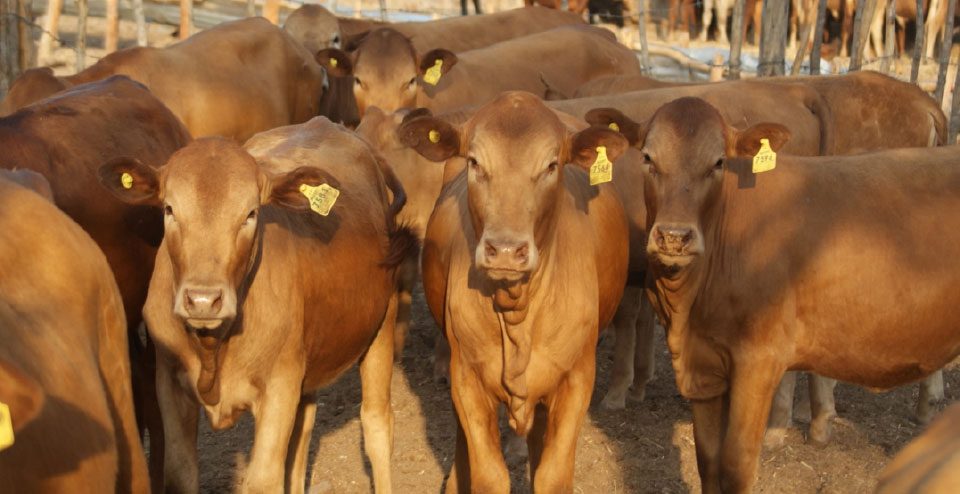
Agriculture experts have urged livestock farmers to keep proper records of their herds, saying good management practices are critical to boosting productivity and profits.
Nqobani Manyabi, an animal specialist with EL Ganado Consultancy, told farmers that record keeping was central to improving livestock performance and long-term planning.
“From a management perspective, having goals is like following a road map. They help farmers to plan how to get to where they want to go,” he said.
Manyabi outlined four key performance records he described as the “Gold Management Indicators”, which farmers should maintain and measure against industry benchmarks.
On this topic
The first, he said, was tracking animal growth. “G stands for the growth of calves, which can be measured using wean weights and other metrics. Farmers can also monitor the growth of goats and sheep to see if they are meeting expected targets.”
The second focuses on breeding. “O stands for open cows – the number of females that fail to conceive. This should be less than 7% for cows and below 10% for heifers during a 63-day breeding period,” he explained.
The third, he said, was the length of the calving season. “L stands for the calving season, which should not exceed 60 to 80 days. The same applies to lambing and kidding periods for sheep and goats.”
The fourth indicator looks at calf survival. “D stands for death loss, which should be under 4%. Farmers must record losses among cattle, sheep and goats to assess whether interventions are needed,” Manyabi said.
He added that clean water, balanced feed, veterinary care and good grazing practices were vital in reducing mortality and improving productivity.
“Recording helps farmers compare themselves with industry standards and with other producers, which is essential for growth,” he said.
Support CITE’s fearless, independent journalism. Your donation helps us amplify community voices, fight misinformation, and hold power to account. Help keep the truth alive. Donate today



Leave a Reply